





1. Changing perception of frozen food quality
2. Meal for Tonight plays into frozen message
3. Frozen offers sustainability flexibility
4. Air fryer craze adds to frozen opportunity
5. How can retailers make the most of frozen?

1. Changing perception of frozen food quality
Unfairly seen as inferior to fresh produce, frozen foods had a bit of a bad rep but consumer perceptions are changing. To help speed up the process, Nomad Foods published the Frozen in Focus report earlier this year which highlighted the benefits of frozen but also how it fits into evolving customer needs. The Nomad Foods report found that 42% of adults across Europe are incorporating frozen food or ingredients into their meals two-to-four times per week, and almost one in five use frozen options five-to-nine times weekly.
One area that needs work though, is the younger customer base, as the study found a generational perception gap of the nutritional value of frozen food across Europe with younger people (18-24-year-olds) reporting they view frozen as less nutritious than their older counterparts.
To help counteract these perceptions, brands have been working to signpost the nutritional value of frozen food. Earlier this year, Quorn Foods UK launched a new range that claimed ‘high protein with no artificial ingredients’ to help “redefine perceptions of the category”.
Head of brands at Quorn Foods UK Lucy Grogut explained the move. “Consumers love Quorn, we’re the top meat free brand in frozen with the highest penetration. But the category is evolving - 53% of UK consumers say healthy nutrition has become more important to them in the last five years and some shoppers are increasingly conscious of the ingredients in their favourite foods.
“Our high protein with no artificial ingredients range will positively influence that conversation. We have always said that the nutritional benefit of a food remains the most important factor in whether a product is healthy or not, and we have extensive evidence on all our products to support their place in our range. With this launch, we’re cutting through the confusing noise and leading a new, positive narrative for the category.”

2. Meal for Tonight plays into frozen message
Busy schedules mean consumers are time-poor, and as fun as it is to make things from scratch, a fully-stocked freezer is a god-send for a last-minute ‘meal for tonight’ solution.
Dr Oetker executive head of category & insights Jen Stockton outlined just how convenient frozen can be. “There’s a shift toward planned top-up shops, food-to-go and meal for tonight missions. All these occasions lend themselves to pizza. Consumers are also seeking convenience and value amid rising cost of living. Gen Z shoppers over index on frozen pizza consumption and are more likely to shop in convenience stores, Chicago Town meets the needs of these shoppers head on with their Chicago Town Takeaway range that is better value than a high street Takeaway and by raising awareness through their latest Feed the Urge advertising campaign.”
Just because it might be a last-minute decision, doesn’t mean that meal for tonight can’t be a treat. Young’s marketing controller Matthew Wilson outlines how frozen can expand consumer horizons. “One of the most significant trends is the rise of the ‘fakeaway’, which has emerged in response to both the cost-of-living crisis and rising whitefish prices. Our Young’s Chip Shop range, now worth over £50m, has grown by 8% [Nielsen 12 weeks, 14 June 2025], by offering the comfort of a traditional British ‘chippy tea’ at home. With our signature bubbly batter and satiating portion sizes, it delivers a premium experience for a lower cost than a takeaway.
“There is also a growing demand for more adventurous flavours in the freezer aisle and the stereotype of the ‘beige buffet’ is fading as frozen aisles embrace global cuisines. Products like Young’s Taste of Asia and Taste of India ranges are helping shoppers explore new cuisines in a convenient format, with 88,000 new shoppers entering the category as a result [Kantar Frozen Fish, 52 weeks ending 19 February 2025]. For many, frozen products offer a low-risk way to try unfamiliar flavours, gently expanding palates and everyday meal routines and in turn, bringing something new to the category.”
Wilson adds that this can lead to trading up and a bigger basket spend. “Premiumisation is another key growth lever,” he says. “Consumers are increasingly willing to trade up within frozen, particularly when it comes to globally inspired or restaurant-style offerings. Ranges like Taste of Asia and Young’s Gastro deliver on this demand, offering elevated flavour experiences that feel indulgent yet accessible. These products encourage shoppers to add more to their basket by offering something new and exciting that is justifiable as an upgrade.”
ADVERTISEMENT

Ristorante – ‘No.1 Thin Frozen Pizza Brand in Convenience’
Stock Up On A Full Range of Flavour
Dr. Oetker Ristorante is the frozen pizza brand that’s winning in convenience, worth an impressive £13.1m with a 17% market share.
Known for delivering a full range of Italian-inspired flavours, Ristorante’s bestsellers - Mozzarella and Pepperoni-Salame are already firm favourites among shoppers. Adding to the excitement, Hawaii and Fungi are customer-pleasers, and the recent addition of Prosciutto Funghi to the Ristorante range offers even more choice for pizza lovers.
With Frozen Pizza worth £77m annually in convenience, accounting for 10% of the total market, stocking Ristorante is a smart move. Perfect for quick midweek dinners or relaxed weekend occasions, the range also includes the indulgent Quattro Formaggi and other varieties that keep customers coming back for more. Ristorante’s commitment to quality, variety, and taste makes it an essential in any freezer aisle, helping retailers meet demand and maximise sales in this growing category.

3. Frozen offers sustainability flexibility
With sustainability front of consumer minds, the frozen category is well-positioned to appeal to shoppers not wanting to waste food either from an environmental or a cost-saving point of view.
Nomad Foods’ recent report outlines how environmental concerns and rising living costs are driving demand for less wasteful products and practices, from reusable packaging to “ugly” produce. It goes to on to say how the category directly addresses food waste by repurposing cosmetically imperfect fruits and vegetables that would otherwise be discarded.
“For example, Belviva’s ‘UGLIES’ range of potato products is made from slightly blemished potatoes of all shapes and sizes to appeal to this demand and provide better value. In addition, not only is consumer aversion to waste being driven by environmental concerns, but also by the desire to save costs amidst increasing living expenses – in the UK almost six in ten (59%) say they consume frozen food as it reduces food waste.”
Marketing manager at Fieldfare, Susie Stewart, highlights how important the relationship between frozen and sustainability is. “Sustainability also continues to influencer shopper buying decisions. Our research with YouGov uncovered that over a third of consumers consider less packaging or ‘plastic free’ as important when shopping. Nearly 90% of Fieldfare’s products are packaging-free, resonating with consumers looking to shop products with less packaging and minimise waste.
“For retailers, frozen offers significant operational benefits as it’s low risk, thanks to its extended shelf life compared to fresh or chilled. Merchandising also plays a critical role in driving engagement with the category. Well stocked, visually appealing freezers help drive purchase, which is why we work closely with our retailer partners to optimise their offering.”
Wilson says the category can represent value, particularly in convenience. “With longer sell by dates and shelf life, frozen is becoming a strategic lever for driving value in convenience stores. One of the most effective mechanisms is the rise of curated meal deals and kits, which take the mental load away from consumers at point of purchase and at home. This format not only appeals to families looking for convenience and value but also resonates with smaller households who can stretch the components across multiple meal occasions. The result is a higher average basket spend, driven by a timely, well-structured offer.”

4. Air fryer craze adds to frozen opportunity
The hottest kitchen trend may be the key to the frozen category’s health. With air fryer ownership reaching new heights – the ease of preparing frozen food means the category is accessible to more people and more meal occasions.
The Nomad Foods report explains how the category is heating up thanks to external factors. “Social media, particularly visually-driven platforms like TikTok, is fuelling a frozen food renaissance. By democratising access to visually appealing meals and innovative cooking techniques, these platforms are empowering home cooks to create high quality meals affordably. This trend is evident in the rising popularity of kitchen gadgets like air fryers, spurred on by viral videos and shoppable content. In the UK, 63% of 18–34-year-olds now own an air fryer. (Nomad Foods, Appliance Penetration T1, T2) In fact last year, FMCG, which includes frozen foods, made up over 20% (21.8%) of total TikTok shop sales. As a result, TikTok is now the 12th largest retailer in food and drink online.”
Wilson says this has happened at a crucial time for the category. “Overall, the frozen food category has faced a challenging year, with increasing raw material costs reflected in rising retail prices. Like many other sectors, consumers are responding to these rising prices and are changing their shopping habits by trading down to cheaper options, shopping less frequently or cutting back altogether. Frozen seafood has not been immune to this, with value down 2% and volume down 4.6% over the same period over the last 52 weeks (Nielsen 52weeks)
“Air fryer usage continues to surge, with 38% of UK consumers choosing to cook this way [Vypr, June 2025], and breaded and coated proteins are well placed to benefit. Our Young’s Chip Shop range not only ticks the box for ease and taste but is also optimised for air fryer cooking, helping time poor shoppers dish up quick meals without compromise.”

5. How can retailers make the most of frozen?
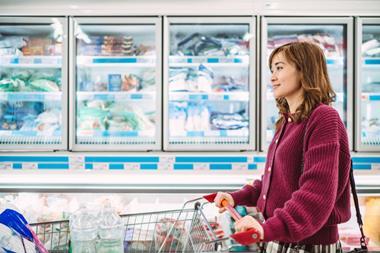
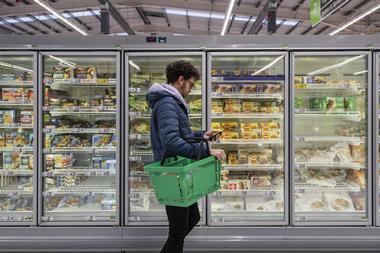
With space at a premium in most convenience stores, retailers may need to prioritise certain areas of the frozen category, but they definitely need to stay on top of their fixtures to ensure it’s reaching its full potential.
Stewart says that retailers need to give proper attention to the frozen fixture. “Making the freezer section more attractive is key to unlocking its full potential. Treat the frozen aisle like you would the fresh aisle by keeping it well stocked and thoughtfully curated for the store’s shoppers. Unlike bigger supermarkets, convenience retailers have the flexibility to tailor their frozen range, and can confidently trial premium products without risk of spoilage or excess waste.”
Stockton provides some straightforward advice for retailers when it comes to frozen. “There are plenty of simple and effective ways to make frozen sections more appealing. Retaining a consistent product range that caters for all consumption occasions and includes best-selling products that consumers trust like Chicago Town and Ristorante helps retain repeat purchase and avoids consumer disappointment.
“We would always recommend displaying prices and front face PMPs as price is an important driver of purchase as, no visible price can often result in no purchase. It’s also helpful to use POS to highlight footfall driving promotions to maximise incremental purchases.”
She adds that simple merchandising is also key, including grouping categories or complimentary meal solutions. Prioritise the best sellers to drive consistent category performance.
Of course, range is key. Senior national account manager at PACK’D, Mitch Lee, explains what retailers should be considering stocking. “Stocking bestsellers like frozen strawberries, blueberries, raspberries, and avocado is a great place to start, as these are everyday items that consumers regularly reach for, particularly during the summer months. Grouping similar products together, such as smoothie ingredients or ready-to-cook veg, helps shoppers navigate the section more efficiently.
“Seasonal displays are also a great tactic,” he adds. “By promoting relevant items throughout the year, like frozen berries in summer or warming veg mixes in winter, retailers can encourage impulse purchases tied to seasonal habits and recipes. With an increase in health-conscious consumers, this is also another key audience. Offering nutritious, healthier options such as frozen fruit, veg, and superfood smoothie kits will help the frozen section appeal to a wider range of customers. Above all, keeping the layout organised, clearly labelled, and easy to browse makes for a more inviting and effective frozen section.”
Meanwhile Wilson suggests that retailers should lean into offering full meal solutions via frozen. “Frozen is a good way to create your own full meal solution. Shoppers can pick up a protein, sides and dessert from the same aisle which simplifies the path to purchase and encourages more comprehensive basket building.
“Together, these factors position frozen as a high-potential category for driving both value and volume by meeting evolving shopper needs, whether through convenience, premiumisation, or complete meal solutions.”
You can find out more about how to maximise basket spend with frozen lines here.




No comments yet