







With a deposit return scheme set to launch across the UK by October 2027, convenience retailers will play a key role as return points for single-use drinks containers. Here’s what you need to know about the new regulations and exemptions.
What is a Deposit Return Scheme?
The UK Government has passed regulations that require a Deposit Return Scheme to be introduced in England and Northern Ireland by October 2027, and the Scottish Government has indicated that they will align with these timelines. The Welsh Government is looking at introducing a separate Deposit Return Scheme and has not yet indicated when this will be introduced.
Why is it being introduced?
Every year in the UK, around 6.5 billion single use plastic drinks bottles or cans end up as waste, rather than being recycled. More than 40% are littered on our high streets or across our beaches and countryside. The Deposit Return Scheme aims to tackle that by introducing a redeemable deposit on these single use drinks containers, which can then be claimed back when they are taken to be recycled.
Similar schemes are already in place in more than 50 countries across the world, and these countries have much higher recycling rates as a result.
DRS is an opportunity to deliver a transformational step forward in the circular economy across the UK, where materials are valued and recycled rather than discarded.
Studies have shown that an effective DRS can prevent waste, increase recycling rates, improve the quality of material being recycled and stop millions of tonnes of carbon from entering the atmosphere.
Who is running it?
UK Deposit Management Organisation (UK DMO) is the not-for-profit, business-led organisation appointed by government to develop, and ultimately deliver the scheme.
What role will retailers play?
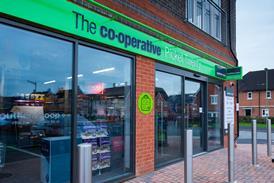
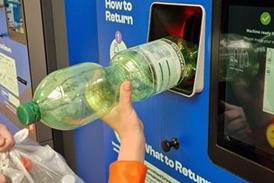
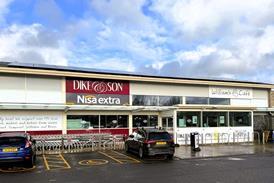
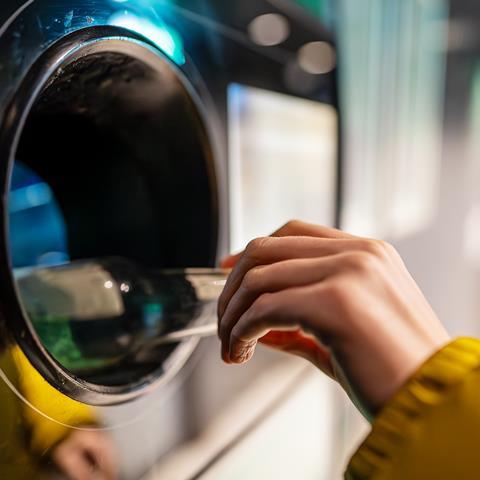
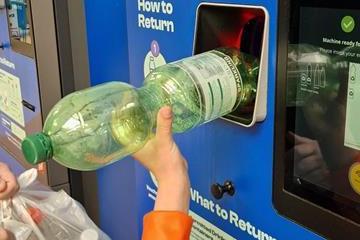
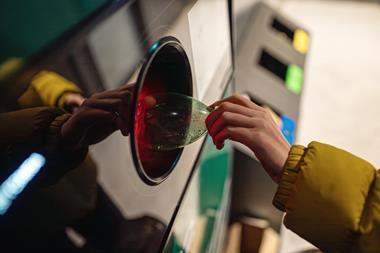
Retailers will act as return points – ie the place where people can return their containers and reclaim their deposit. However, the UK, Northern Irish and Scottish governments have stated that retailers in urban areas will be exempt from hosting a return point if they have a retail space of less than 100m2, although they can still apply to be a voluntary return point if they would like to.
Retailers can also apply for an exemption if their business is close to another return point, or it is not possible to host a return point due to the location, layout, size, design or construction of the premises.
According to Rebecca Oliver-Mooney, UK DMO board director representing convenience retail, retailers will play a crucial role. “Convenience retailers will be essential in making DRS a success, providing local neighbourhood return points that will make returns easy for consumers and help us to cut waste and increase recycling. As a DMO, we truly recognise the unique challenges for convenience and that’s why we’ve been working really closely with the ACS and other convenience groups to ensure that their views and experience of the sector shape our work as we develop the scheme.
What do retailers need to do now?
UKI DMO will provide further guidance on exemptions and how to apply in due course.
It is currently developing an operational blueprint on how the scheme will operate. Throughout this process it will be engaging closely with businesses of all sizes, to ensure that the full range of views inform the work.




No comments yet