





1. New Year, new habits
2. Healthy snacks can drive healthy sales
3. Taste remains a priority with healthy snacking
4. Protein is leading the way in terms of healthier snacking
5. Small packs make a big impact
6. Creating a broader appeal
7. Gut health is freshening up the category
8. Where should a retailer be stocking healthier snacks?
9. What role will GLP-1 play in healthier snacking?
1. New Year, new habits
Once the excesses of Christmas are done with and January rolls round, the fight to get healthier begins for many consumers. This often starts with a pledge to keep healthier snacks in the cupboard, leading to an opportunity for retailers to take advantage of these new virtuous habits.
Head of convenience at Jack Link’s Shaun Whelan says the post-Christmas period is a key time for the healthier snacking category. “As shoppers move past festive indulgence and into the New Year, many are looking to reset their snacking habits, with a growing focus on products that support active lifestyles, sport and fitness. Whether it’s post-gym recovery, team sports, or on-the-go fuel between training sessions, demand is increasing for snacks that deliver lasting energy. As participation in sport and fitness continues to rise, high-protein, lower-calorie snacks are becoming an essential part of everyday routines. As a result, the jerky and biltong segment is fast becoming one of the most dynamic parts of the bagged snacks market.”
Head of convenience and impulse at KP Snacks Stuart Graham says that health is never far from consumers’ minds. “53% of consumers say they try to eat healthy most of the time and only 1% state they never try to eat healthily . However ‘healthy’ means different things to different people. For some, it’s a focus on positive health e.g. increased protein or fibre, whereas for others, it’s a focus on portion control or calorie reduction.”
Back to top
2. Healthy snacks can drive healthy sales
Customers want to eat more healthily and they’re willing to pay for it. According to head of category & customer strategy at Bel UK, Emily Lea, nearly half of shoppers will pay more for the privilege of eating healthy.
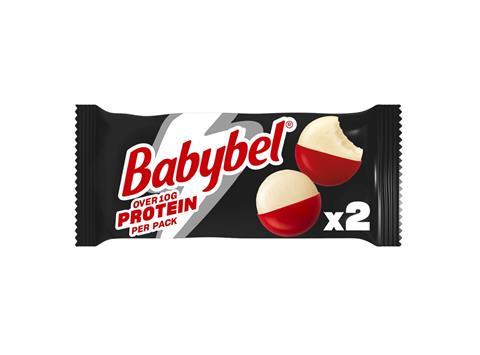
“Health and nutrition are now one of the biggest purchase drivers, with 45% of shoppers willing to pay a premium for snacks made with healthier ingredients. Natural protein is a key trend in healthier snacking and Babybel 100% real cheese snacks, naturally rich in protein and a source of calcium, offer shoppers an easy way to top-up nutrients. And with around 1 in 3 shoppers actively seeking more protein in their diets, Babybel Protein meets the demand for a convenient, natural protein snack, but without the high sugar content so often associated with high-protein bars.”
She adds that parents will also pay more to ensure their children are eating well. “Shoppers are increasingly shunning traditional meals for more snacking, particularly in food-to-go missions. 75% say they will always find room in their budget for snacks, even when cash is tight, while more than half are willing to pay more for better-quality ingredients although they’re not willing to compromise on taste. The brands that win balance health with flavour and fun. Convenience stores and forecourts should also note that 68% of shoppers buy snacks for children, meaning that stocking portion-controlled brands, helping them to navigate healthier choices and clear fixture signposting are important.”
Back to top
ADVERTISEMENT

KIND® - All the flavour. Nothing to hide.
When it comes to snacking, we believe customers shouldn’t have to choose between tasty and nutritious. So, we brought both together, addressing the consumer demand for snacks that are indulgent and full of flavour, with the wholesome goodness of nuts. Our #1 ingredients is always nutrient dense and our bars are high in fibre and gluten free.
Our Chocolate Chip Cashew bar is made from 81% nuts, this delicious bar combines cashews, almonds and peanuts, topped with chocolate chips. Perfect for an at home, work, gym, lunchbox or on the go snack. Designed for those who want a deliciously nutritious treat without compromise. It’s a must stock for retailers.
To find our more please visit our website: Homepage | KIND Snacks
Available across major wholesalers and buying groups.
3. Taste remains a priority with healthy snacking
Bel UK’s Lea maintains that taste is a major decision when it comes to purchases. “Taste still leads purchasing decisions. Shoppers want balance, not restriction, that’s where Bel brands resonate: we’re committed to fuelling fun while supporting healthier choices and smart snacking swaps. They also appeal to a broad church of shoppers - the 18-44-year-olds who are the most common snackers, as well as holding strong appeal for 18-24-year-olds - the most prolific food-to-go snackers.”
General manager for Mars Chocolate Drinks and Treats, Kerry Cavanaugh agrees that taste is critical. “As the market grows, the consumer is increasingly looking for increased quality and innovative flavours. We have now not only reformulated our entire Snickers and Mars branded protein bar range to low sugar formats, but also introduced some exciting flavours beyond what the consumer is familiar to seeing from the both brands in the UK. Mars Hi Protein Low Sugar White bar officially launched in 2025, appealing to both core Mars fans and regular protein bar users attracted to range with a range of innovative flavours.”
Back to top

4. Protein is leading the way in terms of healthier snacking
Protein as a benefit is being flagged up on more products in response to shopper demands. Marketing lead at KIND Snacks EMEA, Giovanna Sinisgalli explains how the shopper relationship with protein has shifted.
“Consumers are changing the way they think about protein. They are seeking it now for overall health in various formats and occasions. The desire for nutrition, science, sustainability and efficacy will push manufacturers to produce new, innovative protein sources and products. The market is growing fast. And it’s loaded with opportunity for brands and manufacturers alike.”
She adds that shoppers are looking for their snacks to do more than just fill them up. “Functional nutrition is front and centre as consumers are looking for snack bars that do more than satisfy hunger, they want bars that deliver specific health benefits such as high protein for energy and muscle support and fibre to aid digestion. Consumers are scrutinizing ingredient lists more and so are looking for “clean” labels and minimally processed bars. Protein remains an important powerhouse, but consumers are changing the way they think about Protein. 40% of global consumers now plan to buy more high protein plant based foods in the next year.
Back to top
5. Small packs make a big impact
Grenade’s Morgan says that protein doesn’t have to mean big hefty packs of powder. A good entry for retailers and some consumers is a smaller format. “Smaller format protein bars can help drive penetration into the category. The 35g Grenade bars pack all of the flavour of their wider range but are a smaller eat, and lower price-point to entice new snackers into the category. They also provide a protein-packed snack to accompany a full meal solution for consumers looking to get more protein from their lunch. This format also works well for on-the-go snacking throughout the day.”
Back to top

6. Creating a broader appeal
Despite protein being such a focus amongst consumers, brands still recognise that they have to grow their customer base when it comes to this sector. Head of convenience & wholesale at Grenade Luke Morgan explains how the brand is looking to attract more shoppers. “Innovation is key to driving growth in the protein bar category. We know that as the market leader, when we launch new product innovation, we not only drive sales but also recruit new consumers to the category.
“Our latest innovation, the limited-edition Soft Core Creme Egg protein bar, is our softest protein bar yet and a completely new format of bar. The Soft Core Creme Egg protein bar is the first ever official Creme Egg flavoured protein product and is designed to drive consumer interest and recruit new consumers to the category. This bar is ideal for consumers looking for a snack on the go, some fuel between meetings or a post-gym perk.”
Group marketing director at Lactalis UK & Ireland Heloise Le Norcy-Trott, explains how protein extends to more than just bars. “Lindahls Protein was developed in response to a growing demand for everyday protein. The range includes high-protein, low-fat cheeses (Cottage Cheese, Gouda Slices and Greek Cheese), alongside fat-free Protein Milk with Collagen (500ml) and low-fat flavoured Protein Milks (250ml).
She advises retailers to “prioritise high-protein dairy staples that deliver strong rates of sale and clear functional benefits” and to use clear POS should highlight key benefits such as “high protein”, “low fat” and “contains collagen”, alongside simple usage cues like “ideal for breakfast, lunch or snacks”.
Back to top

7. Gut health is freshening up the category
While protein tops the priority list, gut health factors heavily in terms of what shoppers are looking for. Jon Walsh, co-founder and CEO of Bio&Me, says consumers know more about what they’re looking for. “Shoppers are far more label-savvy than they used to be. They’re actively checking ingredients, questioning sugar content and looking for foods that deliver something meaningful for long-term health. Younger consumers in particular are driving demand for transparency, clean labelling and brands they perceive as authentic and trustworthy.
“The Bio&Me range is built around exactly what shoppers are asking for right now: real ingredients, no unnecessary additives, and tangible nutritional benefits. We focus on naturally high fibre alongside no added sugars or artificial sweeteners. That aligns strongly with growing consumer awareness around gut health and the desire to reduce ultra-processed foods without compromising on taste.”
Back to top
8. Where should a retailer be stocking healthier snacks?
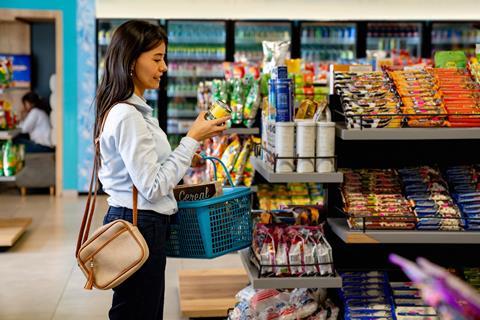
Morgan explains that “visibility is key for the success of a healthier snacking range”. “With one in five shoppers saying they can’t see protein bars where they shop, retailers are missing out on a sales opportunity as protein bars have a high POR of more than 40%.
“Using unmissable point of sale is one easy way to catch the attention of shoppers. As snacks are often impulse-led purchase decisions, they should be merchandised alongside traditional confectionery, next to your crisps and with category adjacencies like your soft drinks or food-to-go. These are the perfect locations to give your shoppers the choice of a better-for-you treat.”
Head of convenience at Jack Link’s Shaun Whelan says protein snacks should be stocked alongside the main snacking fixture. “Retailers can maximise sales by ensuring strong visibility on the main savoury snacks fixture, where active and on-the-go shoppers expect to find bold-flavoured snacks. Dual siting with sports drinks, energy drinks or food-to-go zones can also work well, while clip strips remain an effective way to capture impulse purchases.”
Back to top
9. What role will GLP-1 play in healthier snacking?
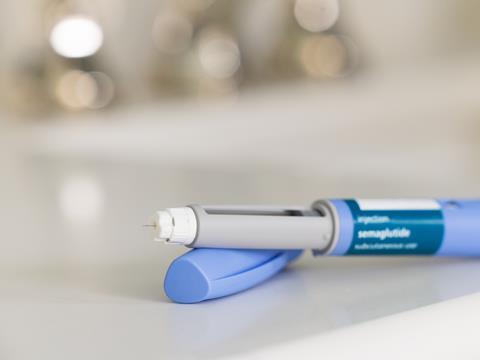
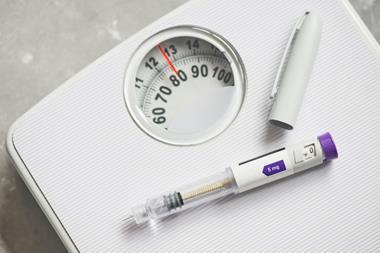
There’s been a lot of coverage regarding GLP-1 medication and their impact on lifestyles. With major retailers bringing out GLP-1 adjacent ranges, FMCG brands will be paying close attention to how people consume snacks. Bio&Me’s Jon Walsh says that whatever way the GLP-1 debate goes, consumers will still need nutritious options. “We may start to see the impact of GLP-1 medications on the convenience market. We’re not seeing any meaningful impact at the moment, although we hear that in the USA where GLP-1 usage is around four times higher, then there is.
“For consumers using GLP-1 medications, losing weight is only the first step, it’s maintaining that weight loss once they come off the medication that’s key. That’s where healthier eating habits (including the type of snacks consumers are turning to) become essential.”
Walsh adds that this may lead to stores having to reassess their ranges. “What’s clear is that pushing high volumes of cheap, low-nutrition snacks (which is historically what a lot of convenience stores have stocked) isn’t going to be sustainable. As more people gain better control over their appetites thanks to these medications, they’re looking for foods that offer real nutrition. Genuinely healthy snacks are therefore going to be a win-win, and it’s up to convenience stores to adapt to this changing landscape.”




No comments yet