






1. Convenience store RTD value sales have grown +12.6% in the past year to top £226m
2. Cocktails are the swiftest-growing segment – growing nearly twice as quickly (+13%) as total RTD
3. RTDs pull-in valuable Gen Z and Millennial shoppers
4. RTDs attract both moderate and ‘party mode’ drinkers
5. Flavour is the number driver to RTD purchase
6. Hospitality’s loss could be RTD’s gain

1. Convenience store RTD value sales have grown +12.6% in the past year to top £226m
When it comes to booze sales, nothing’s lifted c-store retailers’ spirits like the explosion of the ready-to-drink segment in the last few years.
RTDs built-in drink-on-the-go qualities make them a shoe-in for impulse sales with nearly half (49%) of Traditional RTD till-ring going through the off-trade [MAT to 19th April 2025].
“RTDs continue to demonstrate strong growth in the convenience sector, driven by consumer demand for high-ABV, premium and innovative flavour propositions that fit on-the-go and social drinking occasions,” says Clark McIlroy, managing director of Red Star Brands, UK distributor of Four Loko.
Mcllroy maintains that summer (especially festival season) is a key sales period. Which means that now’s the time to get your range right – especially since he says RTDs typically offer “higher cash margins per unit compared to entry-level spirits, especially on single-serve chilled lines.”
“The RTD category across the whole of the UK has experienced extraordinary growth, doubling in value over the last decade,” adds Emily Seddon, brand manager for Flare cocktails.
“Shoppers are actively seeking premium drinks that combine flavour, portability, and visual appeal, and RTDs are rapidly answering that call.”
Back to top

2. Cocktails are the swiftest-growing segment – growing nearly twice as quickly (+13%) as total RTD
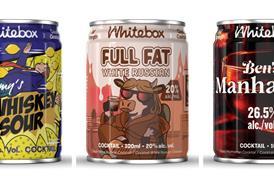
Growing sales make the whole RTD category worth celebrating. However, the real hot-spot in the segment is in canned cocktails.
“While RTDs are continuing to perform brilliantly, having grown 7% to £631m, it’s RTD cocktails that are really stealing the show [stat as above],” says Ashley Birch-Ruffell, brand marketing director at Funkin Cocktails.
“They continue to be the fastest growing segment within the category, growing almost twice as quickly (+13% YOY) than total RTDs, with the subcategory now worth £161m.”
“This is seen across the best-performing brands as well – spirits and mixers are still top of the list but in decline, with growth coming predominantly from cocktail brands.”
A glance across the chiller reveals that classic summer cocktail variants are the biggest winners with c-store shoppers, as Seddon attests.
“Tried-and-tested cocktail classics continue to dominate when it comes to flavour,” she says.
“The Core Four, the current most popular flavours within the RTD category, have been identified as: Passionfruit Martini, Piña Colada, Mojito and Daiquiri. Piña Colada, in particular, is experiencing impressive momentum with double-digit value growth of over 20% and continuing [Global Brands RTD Canned Cocktails Category Report 2024].
Back to top

3. RTDs pull-in valuable Gen Z and Millennial shoppers
It’s unlikely to be the older craft beer crowd who are your main customers for RTDs.
Instead, Scott Bell, head of marketing, SHS Drinks from WKD, says they’re “a fun, social group who don’t take themselves too seriously and want drinks that fit their lifestyle.”
Or in other words – younger people of legal drinking age.
“RTDs are primarily propelled by younger adults aged 18 to 34, who value convenience,” adds Seddon.
“In fact, research suggests that this audience accounts for nearly two thirds (61%) of total RTD consumers [Mintel 2025]. This demographic is also keen to explore new flavour experiences and appreciates RTDs that fit easily into their active, social lifestyles.
“This audience is especially important for the convenience channel, as data shows they are also the ones who are most likely to regularly shop for everyday items in local convenience stores.”
So how can retailers reach them? Social media is usually a win with all customers – and especially with younger shoppers glued to their screens and seeking Friday night fun.
Meanwhile, WKD is connecting with Gen Z through sponsoring Love Island and ensuring maximum screen-time for hero flavours WKD Blue, brand-new-for-2025 Cherry Ice and WKD 0.0%.
“With Love Island ranked the #2 commercial show for 18-24-year-olds, our core audience, the partnership directly connects WKD to the heart of Gen Z culture,” says Bell.
Back to top

4. RTDs attract both moderate and ‘party mode’ drinkers
Stats show that today’s Gen Z shoppers have a more nuanced relationship with booze than previous generations. So while plenty still sometimes fancy going full-on Brat, around a third of 18-24s don’t drink any alcohol at all [Mintel 2025].
This gives brands scope to offer a variety of ABVs – often using flavour rather than alcohol to add excitement.
“The WKD portfolio truly offers something for every consumer demand, from alcohol-free options like WKD 0.0% for moderation seekers, through to consumers wishing to pace themselves, looking to mid-strength ABV products like WKD at 3.4%,” says Bell.
“Additionally, consumers are also leaning into drinks with a bit more depth and a growing trend toward higher-ABV options (7% and above). This increased choice enables fans of the category to enhance the flavour and flex the strength without leaving the RTD space.”
For RTD consumers who want plenty of bang for their buck, there’s lots of high strength options which major on quality too.
“[Shoppers are] trading up for bar-strength RTDs that replicate cocktail experiences while maintaining convenience,” says Mcllroy.
“Taste, serve size, affordability, and alcohol strength are all key to RTD success. Products in the 8–10% ABV range offer the balance of potency and drinking experience that resonates with RTD shoppers.
“Larger format carbonated serves can mean consumers drink more slowly, which aligns with more responsible drinking while maximising value and reducing overall alcohol unit intake.”
Back to top

5. Flavour is the number driver to RTD purchase
Whether bands are attempting to ape bar drinks or provide something unique, flavour is an all-important factor for RTDs.
“Flavour continues to be the number one purchase driver,” says Mcllroy.
“Consumers are increasingly demanding innovative and unique flavour combinations with all the convenience and excitement of a show-stopping pre-mix containing bold, fruity flavours that really deliver on taste.
“Trends are moving toward tropical profiles, hybrids (eg candy-inspired), and nostalgia-based flavours. Four Loko’s latest launches, such as Dark Berry Burst, Camo Mango and the upcoming Hawaii, speak directly to this demand.”
Birch-Ruffell has also picked up on the nostalgia trend, which Funkin is serving with a Charli XCX-style twist.
“We’ve seen a growing trend towards nostalgic flavours, with apple increasing by 26% – a Gen Z favourite following last year’s Brat summer,” he says.
“We’re predicting 2025 will be the year of the apple and the taste of the summer. Back in spring, we launched our Apple Sour Martini Nitro Can – a bold and vibrant addition that puts a fresh twist on the classic fruit flavour, ideal for enjoying in the sunshine.”
He also tips the ongoing spritz trend (made popular by the ubiquitous summer drink Aperol Spritz) as a potential seasonal smash,
“We recently launched a range of RTD Spritzes, with a lower ABV, in two fresh flavours, Limoncello and Raspberry. With over four in five enjoying a Spritz during summer [CGA Mixed Drinks Report H2 2024], it was a no brainer when it came to expanding our offering for retailers – and we’re so pleased to see our customers enjoying these.”
Back to top

6. Hospitality’s loss could be RTD’s gain
RTD drinks offer a bit of glamour and sophistication for out-of-home occasions. And brands are hoping they’ll be seen as a thrifty alternative to buying drinks at the bar too.
“Inflation is another trend currently at play in the category,” says Seddon.
“As consumers feel the pinch, they have become more conscious of how much they are spending, with hospitality being an area that has suffered as a consequence. Last year, Barclays released its Consumer Spend Report which showed that nearly half (49%) of consumers were actively reducing their spend within the hospitality sector.”
Brands are making that value proposition explicit with price-marked packs (PMPs).
PMPs not only signal great value at a glance but also help build shopper trust and reinforce confidence in-store, benefiting both consumers and retailers alike,” says Bell.
“To support this, we’ve launched the WKD 70cl PMP at £3.29 – a standout format designed to deliver instant value while maintaining the brand’s bold shelf presence. Alongside this, WKD X PMPs at £2.99 are available across a variety of flavours, giving shoppers a stronger proposition for impulsive, on-the-go purchases.”
Multipacks are also crucial, with WKD offering a new 10 x 330ml mixed can pack ready to grab and go. And just like the 330ml can size in craft beer – slimline cans are the format shoppers want to see on-shelf.
“In terms of format, slimline cans remain the go-to for convenience retail,” says Seddon.
“As well as offering the benefit of more effective storage for convenience stores, research shows that consumers perceive slimline cans to be more elegant, nicer to hold and representing a more premium product.”
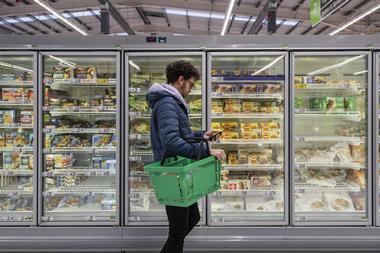
But whatever you choose to stock – always remember to keep it cold.
“Warmer weather calls for more spontaneous purchases, with shoppers often picking up drinks to enjoy shortly after purchase – whether it’s en route to an event, enjoyed in the park or at a festival with friends,” says Birch-Ruffell.
“That’s why it’s important to keep fridges frequently replenished and drinks cold – the key to capturing those impulse buys.”





No comments yet