As the Government looks to widen the scope of foods considered high in fat, salt and sugar (HFSS), supplier Danone is urging policymakers to work with industry, NGOs and health professionals to provide consumers with a clear definition of healthy food, to end confusion.
It comes as research from Danone’s inaugural report, published today (28 January) and called Consumed: Nutritional Behaviour Index, reveals widespread uncertainty among consumers about what actually defines food as ‘healthy’.
The study of 5,000 UK adults and 200 dietitians and nutritionists reveals two thirds (66%) of consumers want the Government to take a more active role in supporting healthier food choices.
The majority of dietitians and nutritionists (91%) agree consumers are “overwhelmed” by conflicting nutrition information. This is most concerning for Gen Z, who use TikTok as their primary source of health and nutrition information (19%), despite only 18% of them trusting the platform, it revealed.
The findings highlight a growing need for clarity as the Government considers further changes to the UK’s nutrition classification system.
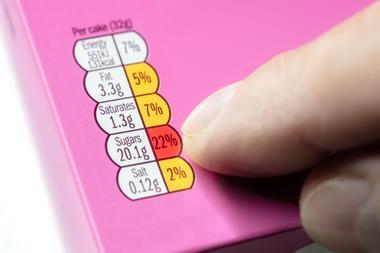
For example, while current healthy eating guidelines from the Government are based on HFSS criteria, which measure levels of fat, salt and sugar, terminology such as UPF (Ultra Processed Food) is reported as confusing consumers.
The overwhelming majority of dietitians and nutritionists say most people don’t understand what UPFs are.
Although the term is widely used by media and influencers, there is no universally agreed definition, and it’s not a basis for policy. The overwhelming majority of dietitians and nutritionists (88%) say most people don’t understand what UPFs are.
Danone North Europe says making changes now will only exacerbate consumer confusion and undermine years of industry reformulation efforts by suddenly reclassifying everyday products such as fruit yogurts and bran cereals from ‘healthy’ to ‘unhealthy,’ despite their nutritional value.
James Mayer, president of Danone North Europe, said: “While the NHS 10-year plan rightly places a greater emphasis on the link between good nutrition and better health outcomes, we’re concerned other recent policy proposals, once implemented, may add to consumer confusion.
“Industry has invested heavily in product reformulation - reducing fat, salt, and sugar to offer consumers healthier choices at the checkout. If those same products are suddenly reclassified as ‘unhealthy’, it undermines that effort and sends mixed messages.
“We encourage the Government to work with industry, NGOs and health professionals to ensure current and future policies build on progress, not slow it down.”
You can now secure your tickets to the Convenience Awards 2026!
Join us on 11 March in Liverpool to celebrate the entire convenience community.
See this year’s finalists and book your seat here.


No comments yet