



1. Milk drinks are growing 12.6% year-on-year
2. RTD Coffee makes up 39.5% of total dairy drinks
3. Soft drinks shoppers are seeking out new sensory experiences
4. 57% of shoppers says soft drinks are the main reason they visit a store
5. Water’s surging 10.2% year-on-year
6. Fruit juice shoppers spend on average 25% more per shop

1. Milk drinks are growing 12.6% year-on-year
In 2025, the c-store soft drinks category is about more than just fizzy pop.
Beyond the carbonated classics, milk drinks, juice and waters are serving consumers health and innovation cues along with active hydration.
It’s also offering much-needed moments of fun too – as the dairy drinks segment proves.
“Dairy Drinks is a fun and dynamic category, offering retailers a prime opportunity to capitalise on consumer demand for affordable indulgence,” says Adam Tidbury, category manager at FrieslandCampina UK Ltd.
“With the category now worth £960m and growing +12.6% year-on-year [Nielsen Total GB Sales 52we 22/02/25], milk drinks have shown themselves to be a resilient and consumer-favourite product.”
Tidbury adds that the key to the category’s success is positioning milk drinks as an “affordable treat” – evidenced by the premium segment growing faster than the market at +28.4% year-on-year [citation as above] with “projected £136m potential headroom within the next five years for feel-good treats like iced coffees and indulgent milk drinks.”
“This presents a significant opportunity for retailers, particularly in the independent convenience sector, to cater to this demand by offering a range of high-quality, indulgent products that satisfy the desire for great taste and value,” he says.
To milk this market FrieslandCampina UK Ltd launched its YAZOO ‘Inspirations range’ in April this year, featuring Birthday Cake and Caramel Blondie variants sourced from the results of extensive focus groups and taste tests.
Back to top

2. RTD Coffee makes up 39.5% of total dairy drinks
Of course, the runaway success of milk drinks isn’t all fuelled by indulgence and fun flavours.
With the price of a cup of coffee now nudging a fiver in some boojee coffee shops more people (especially cash-strapped Gen Z) now prefer to pick up chilled coffee in-store.
Data from Mintel suggests that one out of three cups of RTD coffee are incremental – a fact confirmed by Tidbury.
“Barista, the UK’s fastest growing mainstream RTD Coffee brand [Nielsen DiscoverIQ, Total Market, 52w.e. 22/02/25], has achieved strong performance within its existing canned range, generating £1.7m RSV and contributed to the brand’s impressive 57% YOY volume growth.
“The brand’s growth is largely driven by incremental coffee purchases (72%), demonstrating its success in attracting new buyers to the category.”
Barista majors on affordability, with a permanent £1 PMP. But other brands are focusing on health to add a point of difference. For example, Jimmy’s Iced Coffee launched a collab with Myprotein last year to win over shoppers looking to pack in some protein with their daily caffeine hit.
Back to top

3. Soft drinks shoppers are seeking out new sensory experiences
Content-hungry social media channels rely on a steady stream of new experiences for users to discover, try and share with the world. And when a new product manages to catch users’ attention it can supercharge sales in-store.
Now one of the Top 20 brands in Juices & Smoothies [Nielsen IQ 52 w/e 7th September 2024] the popularity of Mogu Mogu shows how innovative experiences can drive success.
“[Shoppers are] after excitement, novelty, and fun, shareable moments,” says Ash Chadha, sales and marketing director at Mogu Mogu.
“Over the past year, shoppers’ soft drinks preferences have shifted. They’re now on the lookout for more variety and excitement, and traditional colas and standard carbonates just aren’t always cutting it anymore as people frequently crave bigger, bolder flavours and even new textures. This growing appetite for sensory adventure is fuelling interest in segments like nata de coco, where the combination of juice drink featuring pieces of chewy coconut jelly adds a fun, sensory twist to the drinking experience.”
Chadha says that the brand’s viral popularity on TikTok (with 45 million views and counting) has led to major listings across convenience. Now it wants to continue surprising its adventurous shoppers – even if that means investing in some traditional flavours.
“We’ve always championed exotic flavours, like Passion Fruit and even Lychee – our current bestseller – and we’re not afraid to disrupt chillers with attention-grabbing innovation that surprises and excites shoppers,” says Chadha.
“We’ve even managed to shake things up by taking traditional British fruit flavours, like Strawberry and Blackcurrant, and reinventing the way shoppers experience these in soft drinks thanks to the added bite from our chewy nata de coco pieces.”
Back to top

4. 57% of shoppers says soft drinks are the main reason they visit a store
Whether it’s in a meal deal or for instant thirst aid, soft drinks are inescapably connected with both snacking and food-to-go. Which means it’s an important segment to master in-store.
“Soft drinks is the number one category bought on a food-to-go mission, with instant consumption formats growing at a faster rate than deferred formats, having surged by 17.2% to £2.5bn and a 4% increase in units [Lumina Intelligence Tracking Programme – 52 w/e 06.01.23 - 07.01.24],” says Ben Parker, VP Sales – Off Trade, Carlsberg Britvic.
Robinsons is capitalising on this trend with Orange & Mango, the latest flavour in its Ready-to-Drink range, which comes in a 500ml format.
The food-to-go factor means getting the basics right. Including soft drinks in meal deal promos and featuring them next to complementary categories like nuts and crisps are all no-brainers. Meanwhile, popular products like milk drinks can also offer a handy to-go alternative to fizzy choices.
Delamere Dairy has been busy tweaking formats with new 240ml glass bottles appealing to more on-the-go shoppers.
“Flavoured milks offer the consumer an alternative to fizzy soft drinks, so while the dairy fixture might seem the obvious place for them, it’s worth considering selling them from the ‘food to go’ fixture instead, as part of a meal deal for example,” says Dan Yates, national account director at Delamere.
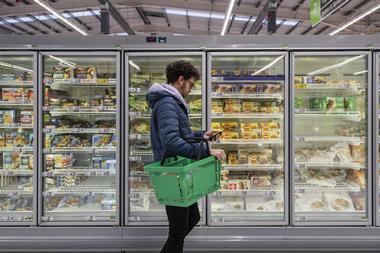
Plus, of course, whatever the weather, it’s crucial to keep your drinks offer cold. A lukewarm selection just won’t cut it with consumers, however huge their thirst.
“Capture impulse shoppers by placing ready-to-drink formats in coolers and high-visibility areas of the store,” says Tidbury.
“Chilled options are more likely to attract spontaneous purchases that can be enjoyed immediately.”
Checked all the boxes? It’s still worth keeping an eye on the sporting calendar when working out your soft drinks promos. A summer of sport means many chances to kick-off tie-in sales.
“For example, this year’s big summer of sport presents a unique opportunity to generate cross-category sales,” says Chadha.
“Think themed promotions, like bundle deals for UEFA Women’s Euro 2025 watch parties which include popular soft drinks and snacks, to encourage impulse purchases.”
Back to top

5. Water’s surging 10.2% year-on-year
“The water category is one of the most popular sub-categories of soft drinks,” says Nic Yates, marketing director at Highland Spring Group.
“The Impulse channel is where the Highland Spring brand is really beginning to thrive. This is where we are seeing value growth at 26.8% which is almost five times faster than total water. What’s more, Highland Spring has the largest absolute increase in unit sales year on year in Impulse – +4.5m units [citations as above].”
Yates says that health is a huge driver for water as a true zero calorie, zero sugar and natural choice. Flavour counts too, with three new flavours set for roll-out this year: Strawberry, Apple & Blackcurrant and Lemon & Lime.
Also bubbling up in H20, Red Star Brands is investing in flavour. Its new Sparkling Ice Black Raspberry sparkling flavoured water variant aims to balance health and a fresh taste.
“We’re seeing increased consumer interest in fruity flavoured fizzy water which is being fuelled by a strong emphasis on both functional health and taste,” says Clark McIlroy, managing director, UK distributor Red Star Brands.
Back to top

6. Fruit juice shoppers spend on average 25% more per shop
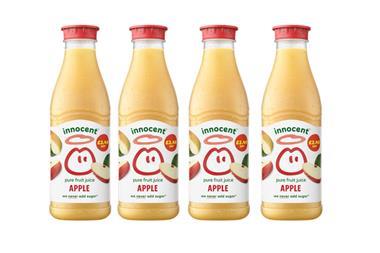
No category signals health like juice and smoothies. The darling of wellness influencers everywhere it’s a section that offers healthy profits for retailers who get it right.
“For convenience retailers, fruit juice shoppers are a valuable demographic,” says George Tuck, head of sales – Impulse at Tropicana.
“Research shows that fruit juice shoppers spend, on average, 25% more per shop. Fruit juice also adds three more items to shoppers’ baskets on average compared to total convenience. So ensuring you can meet consumer demand will unlock a huge opportunity to drive sales for wholesalers and retailers alike [Lumina Intelligence, 2024].”
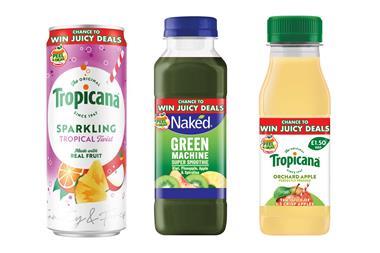
However, despite the enduring value of pure juice (Tropicana Smooth Orange 850ml PMP is the brand’s best-performing SKU), it’s a category that’s down 9.7% in volume sales [Circana 52 w/e 17 May 2025]. This means brands are seeking to switch the segment up through innovation. For example, Tropicana launched its Tropicana Sparkling variant last year, containing 30% handpicked fruit juice and less than 65 calories per serve.




No comments yet