












In April 2025, my family and I sold our One Stop franchise. It was a significant moment, especially as it allowed my mum to retire after many years of hard work running the business.
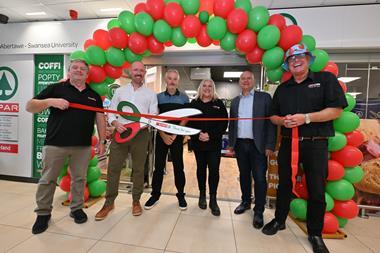
With the store behind us, we took the opportunity to enjoy a well-earned holiday in Italy. But even on break, I found myself watching how local shops operated and as Convenience Store readers would know I went out of my way to video what I saw in the amazing Despar store that was located within an old theatre in Venice. Overall, what I discovered was inspiring.
Italy’s independent retailers have embraced new ways of doing things. They are using technology, flexible service models and clever ideas to provide genuine 24-hour convenience. And they’re doing this without relying on large supermarket chains.
Vending machines that really deliver
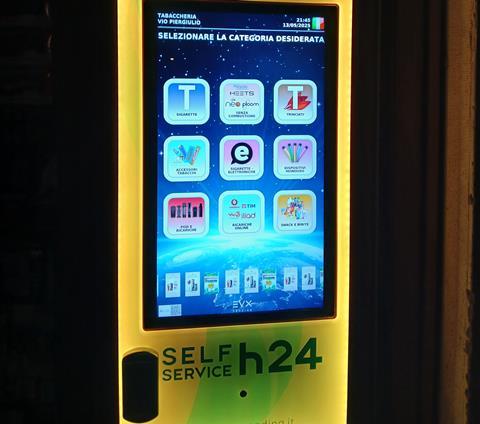
Vending machines were everywhere in the cities I visited. But these were not just machines selling crisps and fizzy drinks. They offered everyday essentials like bottled water, hygiene products, phone chargers, tobacco, vapes, sandwiches and fresh fruit.
Most machines operated around the clock and were placed outside small independent shops and kiosks. For age-restricted items such as tobacco and vapes, the machines used digital ID scanners connected to a national database. Customers inserted their Italian ID cards to verify their age before making a purchase.
Back in the UK, tobacco vending machines were banned in 2011. Since then, we have not revisited this idea, even though technology has moved on. Italy shows that, with the right safeguards, such vending machines can be used legally and responsibly.
Heated tobacco: more visible and accessible
Heated tobacco products like IQOS and Ploom were clearly visible and widely available. Shops, kiosks and vending machines displayed prominent advertising for these products, selling them alongside traditional cigarettes and vapes.
In the UK, heated tobacco remains a niche market with strict advertising rules and limited consumer awareness. Italy demonstrates a more open approach that combines visibility with responsible access, again using vending machines to offer 24/7 availability.
Cannabis vending machines: legal and controlled
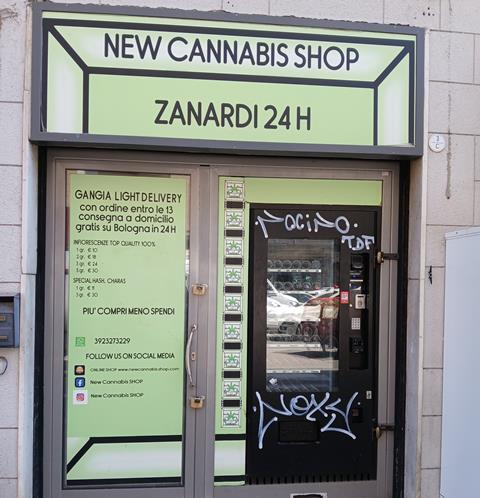
In Milan and Bologna, I saw vending machines selling low-THC cannabis products such as CBD oils and flower. These products are legal under Italian law and access is controlled through the same digital ID checks used for tobacco.
While UK legislation does not currently permit this, the model shows how regulation and retail innovation can work together to provide controlled access to new product categories.
Targeting tourists with delivery services
Italian independents were not just serving local residents. Many were actively targeting tourists by advertising delivery services to hotels and Airbnb rentals.
In Venice, I noticed flyers in short-stay accommodations promoting 24-hour delivery via WhatsApp or apps like Glovo and Everli. Some stores offered “welcome bundles” containing essentials such as water, wine, pasta, snacks and toiletries. These bundles were promoted with QR codes and signs in apartment lobbies.
This simple approach provides a low-cost way to expand reach and boost sales. UK retailers in tourist-heavy areas could adopt similar tactics with great success.
Innovation on the ground in Imola
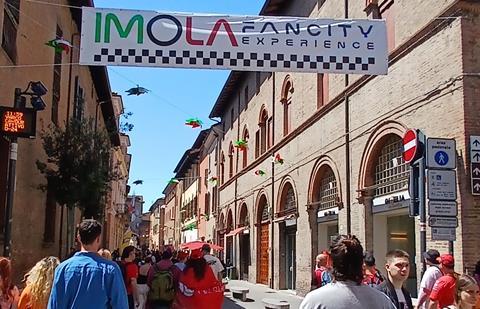
Towards the end of the trip, I attended the F1 Grand Prix in Imola, and once again, the resourcefulness of local retailers was on full display.
Small business owners took advantage of the massive influx of visitors by opening up their homes, garages and even sheds to sell food and drink. Their prices were often more reasonable than the official vendors inside the event.
But it was not just about food and drink. Some offered extra services like phone charging stations, luggage storage, changing areas, and even ironing facilities for visitors who had just come off long journeys or needed to freshen up before the race. These were not large companies with lots of staff, but everyday people using what they had to meet real needs, right when and where they mattered most.
This kind of spontaneous, grassroots convenience retail showed me just how responsive and community-driven Italian retail can be. It was smart, practical and surprisingly professional, despite being so informal.
What UK independent retailers can take from this
Italy’s approach to convenience shows that it is possible to offer customers what they need when they need it. It is not just about staying open longer; it is about working smarter.
UK independents could explore:
- Vending machines stocked with essentials and restricted items with age verification
- 24-hour access via vending machines or smart shopfront extensions
- Delivery services targeted at tourists and short-stay visitors
- Product bundles marketed through low-cost channels like QR codes
- Event-based pop-ups that tap into local footfall and visitor demand
These ideas are not futuristic; they are already working in ordinary Italian neighbourhoods, led by independent retailers who know their communities.
My time in Italy reminded me that independent retailers can innovate and lead. With the right mix of technology, regulation and creativity, convenience retail can be truly customer-focused and available all day, every day.
As I continue this phase of my life, learning and exploring the industry, I will share insights in this blog series, Out of the Shop and On the Road.
There is much we can learn from others. And many ideas to bring back home.




No comments yet