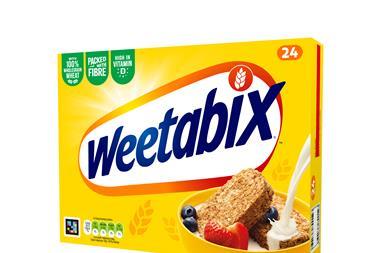
The Weetabix Food Company has published its 2025/2026 Sustainability Report, which reaffirms its “long-term commitment to readying the nation with nutritious goodness made the right way,” it said.
The full report is available now on the Weetabix website, and outlines progress across responsible sourcing, lower carbon production and packaging which further embeds sustainability at scale across everyday breakfast products.
The report marks a significant milestone in Weetabix’s sustainability journey, with the company achieving independent validation of its near-term, net zero and FLAG targets by the Science Based Targets Initiative. This validation confirms that Weetabix’s climate ambitions are “credible, science-led and aligned with the goals of the Paris Agreement, and provides a clear framework for continued progress towards net zero greenhouse gas emissions across its value chain by 2050,” it added.
Trials have been carried out using lower levels of nitrogen fertiliser alongside regenerative agriculture techniques to help maintain yield. These smaller-scale trials have now been expanded to whole-field trials, and in 2025 Weetabix sourced over 800 tonnes of wheat produced with lower fertiliser levels.
The quantity sourced was used to make over 30,000,000 Weetabix biscuits. This equates to millions of lower carbon breakfast occasions already on UK shelves, delivering sustainability progress at everyday scale.
The report also “underscores Weetabix’s long-standing commitment to people and communities,” it said. Since 2014, it has redistributed more than 25m breakfast servings through its partnerships with FareShare and Magic Breakfast, including 1.3m bowls of cereal in the past year alone, helping support children and families facing food insecurity.
In parallel, Weetabix continues to invest in its workforce and future talent through expanded apprenticeship programmes, mental health support across manufacturing teams and a sustained focus on inclusion.

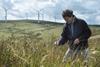
Colm O’Dwyer (left), MD of Weetabix Food Company for UK and Ireland, said: “This year’s report reflects the progress we continue to make in reducing emissions across our operations and supply chain, while maintaining the scale, quality and reliability that our grocery and convenience partners expect.
“Despite a challenging year for British agriculture and ongoing external pressures, we’ve worked closely with our farmers, colleagues and partners to deliver practical, measurable improvements. The validation gives us confidence our approach is robust and aligned with the expectations of retailers and the wider food sector, as we continue to build a more sustainable food system for the long term.”
You can now secure your tickets to the Convenience Awards 2026!
Join us on 11 March in Liverpool to celebrate the entire convenience community.
See this year’s finalists and book your seat here.


No comments yet