














The real excitement in the spirits category is coming from the RTD sector, with new formats and flavours competing for space in stores. How can retailers ensure they are maximising the opportunity?
1. What is the state of the category?
2. What are the key trends in RTDs?
3. How much of a factor is seasonal demand?
4. How are RTDs evolving?
5. Convenience remains a testing ground for NPD
6. How should retailers merchandise RTDs?
1. What is the state of the category?
Head of brand at Global Brands, Craig Chapman, explains the how RTDs are driving growth in spirits. “The bestselling spirits continue to be led by established categories including vodka, mainly driven by strong brand recognition and the ability to cater to different drinking occasions. Having said that, demand for RTDs is fuelled by a mixture of influences, namely convenience and portability since they require minimal preparation and can be enjoyed right after purchase.
“In terms of figures, the overall RTD category has been on an upward trajectory for some time now and it continues to outperform the wider alcohol market. To put things into perspective, total RTD volumes increased by 3% over the course of 2025, while total alcoholic beverage volume declined by 2%, establishing the category’s strong consumer appeal.”
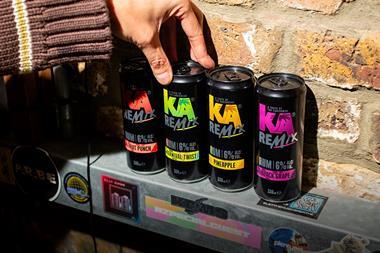
Marketing manager at KA Remix, Lucy Reidy, outlines the RTD explosion. “RTDs continue to surge, now worth £824m and growing 22.9% year-on-year, with pre-mixed making up almost half of the category at 47% of volume sales.
“Within RTDs, flavour-led long drinks and pre-mixed cans continue to perform strongly in convenience, particularly formats that tap into impulse and immediate occasions.
“At the same time, rum is riding a powerful wave and is now the UK’s second-fastest growing spirit in the off-trade, worth over £1bn in annual sales and featuring in more than one in three cocktails.
“There’s a significant opportunity for retailers to maximise RTD sales through single-serve formats. As we transition into the summer months, it’s more important than ever to ensure RTDs are well-stocked, chilled and easy to grab. Warmer weather calls for more spontaneous purchases, with shoppers often picking up drinks to enjoy shortly after purchase.”
2. What are the key trends in RTDs?
Global Brands’ Chapman explains what’s new in RTDs and what is resonating with shoppers. “There has been a clear uptake in demand for higher ABV beverages that deliver on flavour and add value to drinking experiences.
“In fact, the overall category is currently valued at £82.2m and growing at a rapid rate of +201%, with high ABV emerging as the most valuable and fastest growing sub-category within cocktails. This trend presents a significant opportunity for retailers to stock products that cater perfectly to demand for more impactful, flavour-led drinking scenarios, positioning Quadz to become a familiar favourite on the RTD fixture.
“Another major development we’ve noticed is the growing demand for bold, fruity flavours, with consumers increasingly drawn to vibrant, refreshing taste profiles that feel both fun and easy to drink. This trend is helping to drive broader appeal across the category, as drinkers look for options that deliver on flavour without complexity. Hooch is well positioned to capitalise on this, with its range of citrus and tropical flavours already resonating strongly, and more recently with the launch of our Peach variant, bringing a fresh, on-trend flavour into the portfolio.”
Reidy echoes the sentiment around flavour trends. “Flavour-led serves are having a real moment right now, particularly tropical, fruit-forward and nostalgic flavours that feel vibrant and instantly recognisable.
“Shoppers are increasingly looking for drinks that feel fun, flavourful and a little bit different, which is why products that combine familiarity with discovery are performing so strongly. In terms of format, single-serve cans continue to dominate within convenience because they fit perfectly into grab-and-go shopping missions and spontaneous social occasions.
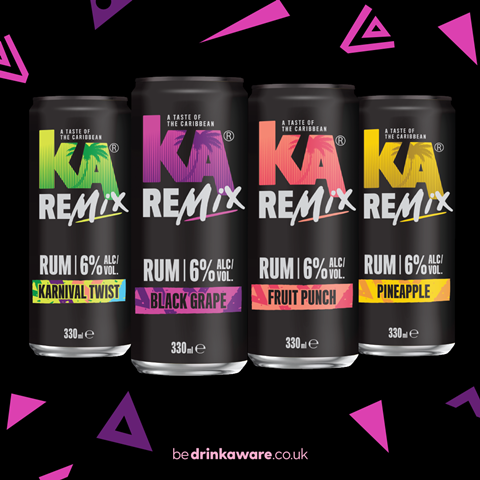
“Packaged in convenient 330ml cans at 6% ABV, the range is built for convenience and spontaneity –suited to on-the-go occasions and impulse purchase missions – which aligns with these growing consumer trends.”
When launching the Absolut Vodka & SPRITE Pineapple, associate director, alcohol ready-to-drink at CCEP GB, Elaine Maher said: “Flavour is still the single biggest driver of shopper choice in alcohol RTDs, which is why flavour-led innovation remains a priority for us, with Pineapple as the next step. The packaging has also been designed to support easy navigation in fixture, clearly positioning Pineapple as an extension of the core range rather than a standalone SKU.
“This helps retailers maximise visibility, drive impulse purchases – particularly from the chiller, where cold is sold – and range the variant seamlessly alongside existing favourites to unlock incremental value.”
Suntory Beverage & Food GB&I (SBF GB&I) also recently expanded its Japanese alcohol ready-to-drink brand, -196 (Minus 196), with the launch of -196 Peach (6% ABV).
The new flavour looks to tap into strong category and flavour trends. It says the total RTD market is now worth over £1bn, while -196’s core target audience of Gen Z favours sweet, fruity RTDs. In addition, during development, –196 Peach received a strong positive reception in consumer testing, with 85% of consumers saying they would purchase the product.

3. How much of a factor is seasonal demand?
The temperamental British weather plays nicely into the hands of convenience retailers. Given how the warm weather can suddenly appear, heading to the local convenience store for some drinks to have in the sunshine is a common occurrence.
KA Remix’s Reidy explains how much of a difference warm weather can make. “RTDs perform particularly strongly during warmer months and key social occasions because they naturally fit into convenience-led shopping behaviour. Summer, bank holidays and festival season are huge moments for the category, with shoppers looking for drinks that are chilled, portable and easy to enjoy with friends.
“These occasions are often driven by impulse, so visibility and chilled availability become incredibly important,” she adds. “If shoppers can see it, grab it and drink it straight away, conversion is much stronger. Retailers in high-footfall locations – particularly those near parks, transport hubs and event spaces – are especially well placed to capitalise on this mindset.
She adds that it goes beyond the warm weather. “RTDs also continue to perform well during key social moments later in the year, including Christmas and New Year, where shoppers are looking for convenient serves that still feel exciting and sociable.”
Global Brands’ Chapman agrees and urges retailers to keep on top of the changing seasons. “Sales are always going to fluctuate depending on the time of year, however, seasonal events are known to significantly drive RTD sales. Demand particularly surges during summer, bank holidays, and the festive period because a spike in social events cause shoppers to lean into convenience when shopping for alcohol, making RTDs a go-to choice. In response, retailers should always prepare for busier periods and prepare the store accordingly by updating seasonal fixtures and promotional offers.”
4. How are RTDs evolving?
With the growing popularity of RTDs, particularly within convenience, there lies an opportunity for innovation in the category and that includes moving away from the traditional spirit-based format.
Wine supplier Delaunay Vins & Domaines is moving into the rapidly growing wine-based RTD category with the launch of Lemon & Basil Spritz via its La Belle Angèle brand. La Belle Angèle Spritz Lemon & Basil retails at a pocket-friendly rrp of £5.99 for a 75cl bottle, with smaller formats currently being designed
This new product looks to “bridge the gap between wine and cocktails and taps into the growing demand for ready-to-drink, lower-alcohol and sparkling wine-based drinks by Gen Z and younger Millennial wine drinkers.”
Anne-Sophie Perrier, global brand developer at Delaunay Vins & Domaines said: “We felt there was an obvious and major opportunity for La Belle Angèle to enter the wine-based RTD sector.” She explains. “The Lemon & Basil Spritz responds directly to the drinking trends that we are now seeing particularly amongst younger consumers both in terms of flavour profile and health preferences, helping to bring them into the wine category.
“Innovation along with freshness and moderation were key for us as well as creating a premium yet accessible offer that stood out from its competitors both in appearance and in taste while still offering excellent value.”
As well as improving accessibility, the category is looking to go up in the world, as evidenced by SHS Drinks’ move into premium RTDs with WKD Cocktails.
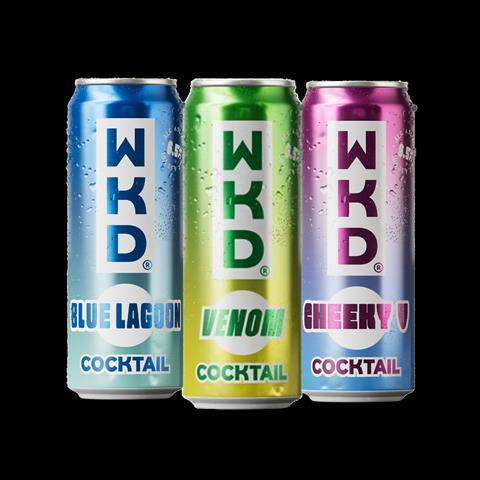
The new range features three flavours: Cheeky V, Venom and Blue Lagoon, all with a 6.5% ABV. The brand explains that the new range is designed to tap into growing demand for higher ABV, cocktail-style serves, and delivers a more premium, ‘night-out’ experience for at-home occasions.
Marketing director at SHS Drinks, Scott Bell, said: “WKD Cocktails are all about bringing big night-out energy into at-home drinking occasions. Made famous in the on-trade and created by bartenders, classic serves like Cheeky V, Venom and Blue Lagoon are instantly recognisable and signal a good time. With a higher 6.5% ABV and bold flavours that have no duplicates in the market, WKD Cocktails deliver quality, great taste and strong value, helping retailers drive incremental growth in the RTD category.”
Halewood Artisanal Spirits also moved into the premium RTD category with the launch of two new SKUs from its Whitley Neill gin brand. Two flavours are available - Rhubarb & Ginger Gin with Ginger Ale, and Yuzu & White Strawberry Gin with Lemonade.
Both flavours are available as single 250ml cans (RRP £3.25) and 12-can multipacks for trade.
Sales & marketing director at Halewood Artisanal Spirits, James Stocker, explains the move. “Whitley Neill has always been about bringing exceptional flavours to the world, and RTDs are a natural next step. They give both loyal fans and new customers an easy, high quality way to enjoy our gins, wherever they are. With summer around the corner, this is the perfect time to launch - there are so many occasions where it’s easier to grab a canned drink than mix your own.
“RTDs have transformed the way people drink and the category is one of the strongest growth stories in UK drinks right now. We’re committed to building this out as a serious part of our portfolio, with more flavours to come.”
5. Convenience remains a testing ground for NPD
As is often the case, convenience is a tremendous proving ground for NPD, and RTDs are no different. Earlier this year, Smirnoff built on the success of last year’s ready-to-drink (RTD) Smirnoff Crush launch with the release of new Blueberry & Pomegranate, available exclusively to independent convenience retailers ahead of a wider roll-out in September.
The launch follows strong performance for the existing variants, Mango & Peach and Lemon & Lime, supplier Diageo said. Together, the two flavours have delivered almost £1.1m in value sales, with 76% of volume incremental to the category, it added.
Sara Griffiths, head of marketing for ready-to-drink at Diageo, explained the move. “RTDs continue to go from strength to strength in convenience. Smirnoff Crush is playing a key role in the category to build on the particularly strong momentum we’re seeing behind consumer demand for higher-ABV and larger-formats as a beer alternative.
“The launch of Smirnoff Crush Blueberry & Pomegranate gives independent retailers a fresh opportunity to drive excitement in-store, tap into growing demand for berry flavours and offer shoppers an exclusive new product.”
6. How should retailers merchandise RTDs?
With so much NPD and formats coming into the sector, and space at a premium, how should retailers merchandise their RTD section for maximum impact?
Chapman says a mix of old favourites and trending lines is key. “It’s important to ensure that product ranges strike a balance between established favourites and trending options that align with evolving customer purchasing habits. Retailers should be stocking recognised brands on the shelves that are known to encourage repeat purchases while also saving space for new launches that keep the aisle fresh and high engagement with customers.
“It’s also vital to be adaptable and aware of shifting footfall for different occasions. To be precise, British summertime is renowned for being unpredictable as the sun often decides to make an appearance when least expected. This leads to a change in plans at the last minute and as a result, retailers should always be prepared for an influx of customers at any moment. Those that can quickly adapt and accommodate are more likely to improve sales and keep customers happy.”
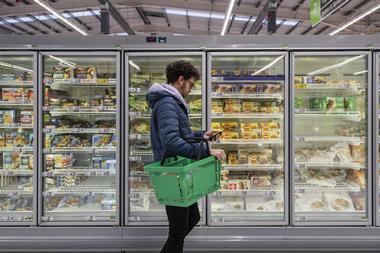
Reidy agrees but adds that retailers shouldn’t discount the impulse nature of the category. “Visibility and simplicity are absolutely key within RTDs because purchase decisions are often made in seconds. Retailers should focus on keeping bestselling and most visually impactful products highly visible within chillers, particularly during warmer months and peak social occasions.
“That means visibility and simplicity are key to conversion. Shoppers know they want something refreshing, but don’t always know exactly what – so it’s all about making that decision as easy as possible, meaning brands need to work hard at fixture to stand out and cut through.”








No comments yet