















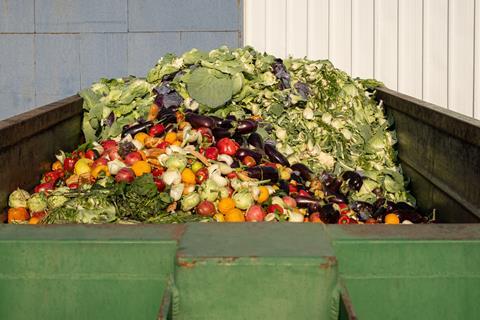
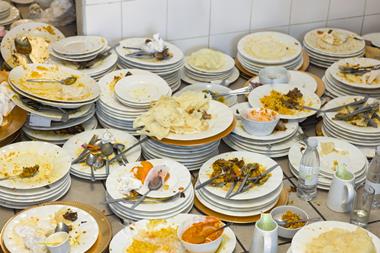
UK supermarkets could be throwing away around 100,000 tonnes of edible food each year - equivalent to more than 238m meals and equivalent to an estimated £316m in food value.
Reports estimate that UK supermarkets generate around 240,000 tonnes of food waste each year, including approximately 100,000 tonnes of food that could have been eaten.
Using the Waste & Resources Action Programme’s (WRAP) standard meal equivalent formula, 100,000 tonnes of edible food waste would be equivalent to approximately 238m meals.
As WRAP estimates that around 234,000 tonnes of food waste costs the UK retail sector around £740m, this works out at an average value of around £3,162 per tonne. Applying this to the 100,000-tonne estimate of edible food waste, this produces an estimated food value of £316.2m. That works out at around 3.4 meal equivalents for every person in the UK, based on the latest available population estimate.
While the 100,000 tonnes figures might not all be able to be redistributed, as some products may be damaged, unsafe, past their use-by date or generally unsuitable for donation, the figures indicate the potential scale of edible supermarket food entering waste streams each year.
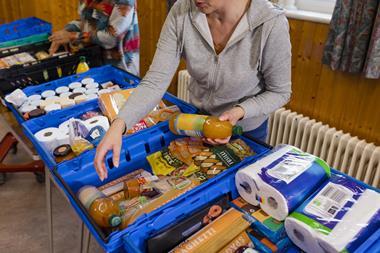
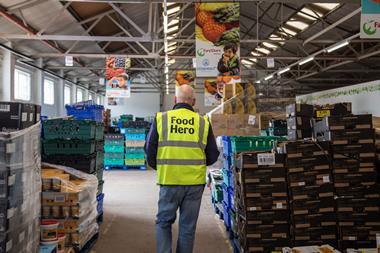
In response, food waste management firm Bins.co.uk is now calling on UK supermarkets to donate any surplus food to reduce the waste issue. The Government currently advises businesses to prevent surplus food in the first place, and distribute any remaining safe food to charities, schools, food banks or commercial redistribution organisations.
However, this is purely guidance, not something that businesses are legally required to follow. Instead, Bins is calling on the UK government to consider implementing legislation requiring UK supermarkets to have formal arrangements for handling edible surplus food.
Under Bins’ proposed approach, supermarkets would be expected to enter arrangements with approved charities or redistribution organisations. Retailers would also be required to record how much edible surplus waste they generate, as well as explaining why this was thrown away rather than redistributed.
Mark Hall, a food waste expert at Bins.co.uk, said: “Food donation has existed in the UK for years, and while it absolutely helps those in need, it clearly isn’t enough, judging by the high level of food waste being disposed of each year.
“Of course, the priority should always be stopping surplus food from being created in the first place. Supermarkets have access to detailed sales and stock data, so there should be opportunities to improve ordering, reduce products earlier and act before food reaches its use-by date.
“However, when safe, edible food is still left over, throwing it away shouldn’t be the first port of call. Instead, larger supermarkets should have proper arrangements with charities and redistribution partners so that usable food is donated instead of going down the waste stream.
“This doesn’t mean that the responsibility should be shifted onto food banks, as charities need enough notice, suitable transport and storage to accept and store food safely. Instead, any new law would need to place clear responsibility on retailers to help support a reliable redistribution system.”






No comments yet