


















We’re a year on from the implementation of the disposable vape ban, and questions are still being asked about its effectiveness and how it might be fuelling the illicit market. Recent research by Haypp found that 35% admitted they purchased a disposable vape since the ban was introduced, and that the main sources for the purchase of illicit disposable vapes are corner shops/convenience stores (51%), car boot sales/market stalls (35%), independent vape shops (28%) and friends or family members (28%).
Angelo Yang, associate general manager, UK, ELFBAR, explains how bad the issue is. “Last year, 1.3 million illegal vapes were seized across the UK, the equivalent of two every minute from UK high streets, according to Freedom of Information data from local authorities.
“Within this context, a May 2026 survey of 6,000 UK adults found that nearly three in ten (29%) were aware of illicit vape products being sold in their local area – the highest level recorded since ELFBAR first began conducting research in 2023.
From a tobacco point of view, recent research by KPMG - commissioned by Philip Morris International - has revealed that almost half of cigarettes (45%) consumed in the UK in 2025 were illicit.
The findings show that illicit consumption rose by 1.5 billion cigarettes in 2025 (vs. 2024), making it the second-largest illegal market in Europe, behind France, for illicit cigarette consumption by volume. The Europe-wide report estimates that more than 10 billion illicit were consumed in the UK in 2025, equating to more than £4.46 billion in lost tax revenue.
The situation has become so dire that managing director at Philip Morris Limited, Peter Nixon, called for more funding for enforcement.
“This [research] should be a major wake-up call for the government; poorly resourced enforcement is depriving the UK of almost £4.5 billion a year. The past few years have been a boon time for organised crime gangs who are selling illicit cigarettes and vapes with impunity, ruining our high streets and communities.”
Speaking to Convenience Store, JTI UK’s communications manager Dale Stacey outlines both the national and local cost of the issue. “HMRC estimates the issue of illegal tobacco is costing the Treasury over £2 billion nationally each tax year. That’s money which is lining the pockets of organised criminals that could be reinvested into communities, used to regenerate high streets, or to ease the pressure on already-stretched local resources.
“This black market is having serious ramifications on the incomes of honest retailers – as it not only impacts on retailer’s legitimate tobacco sales but also means they miss out on wider basket spend. Convenience stores across the country are also facing unprecedented levels of theft, violence and abuse - challenges that are only increasing as the illegal tobacco market expands.
“It has been well documented that the illegal tobacco funds serious organised crime groups and takes footfall and revenue away from law-abiding stores. Our research shows that over 90% of consumers surveyed are alarmed the illegal tobacco trade is fuelling organised crime and over a third of respondents (38%) want stricter enforcement. Currently, 4 in 5 (81%) of those surveyed believe there is not enough enforcement to stop illegal tobacco sales. More needs to be done at a government level to tackle the illegal trade.
What is being done about it?
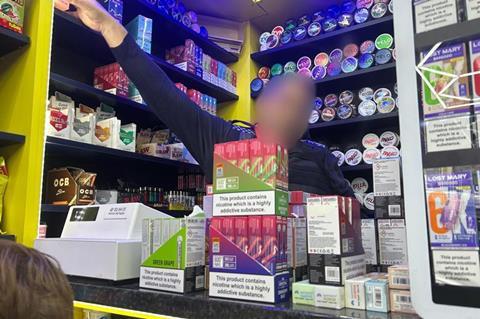
While the level of illicit trade is no surprise to retailers and suppliers, the issue has become mainstream. A recent BBC expose revealed the impact of ‘rogue shops’ on communities, drawing national attention to the illicit trade and what often comes with it.
Having drawn attention to the issue for years, the Association of Convenience Stores (ACS) recently launched the ‘Stop Rogue Traders’ campaign which aims to highlight the scale of the problem facing communities, signpost existing resources for reporting illicit activity, and call for action from Government to get rogue traders off the streets.
Spurred on by the size of the problem, the Government is starting to take action. In May, a £30m high street task force was set up. Led by the National Crime Agency, along with Trading Standards, immigration enforcement and HMRC, the task force will focus on carrying out raids, closures and seizures over the next three years.
More recently however, the government announced plans to double the maximum duration of closure orders in order to give investigators more time to gather evidence, pursue prosecutions and identify the criminal bosses directing activity from behind the scenes, while also preventing rogue operators from simply reopening and resuming illegal activity.
Set to be introduced later this year, it is hoped the measures will prevent businesses from reopening before investigations have concluded and slowing down the resumption of criminal activity.
The Government has also called for the review the presence of vape shops, barbers, and car washes on the skilled worker sponsorship list, following concerns about potential misuse of the system, with any businesses seeking to abuse the system potentially having their licences revoked.
The announcement has been largely welcomed by the sector, with ACS chief executive Ed Woodall calling it a “win for responsible retailers”.
On the enforcement side, chief executive at the Chartered Trading Standards Institute (CTSI), John Herriman, also praised the decision. “Closure Orders are a key enforcement tool for Trading Standards Officers in tackling ‘dodgy shops’ but our members have made us aware of challenges that limit their current impact.
“Strengthening enforcement powers, including extending the duration of Closure Orders, is an important first step in addressing those issues. Stronger enforcement powers will allow officers more time to investigate criminality, will prevent criminals from using a premises to break the law and, crucially, will safeguard local communities from the serious risk these groups pose.”
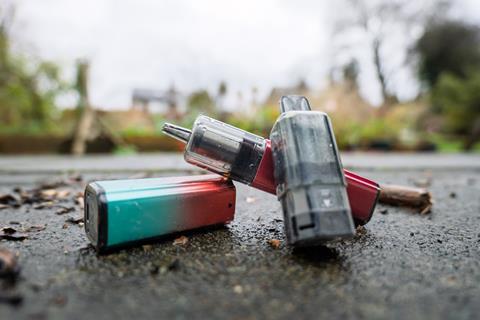
Along with promises of better enforcement, more legislation surrounding the sale of tobacco and vape products are coming down the line. From 1 October 2026, the Vaping Products Duty will be charged a flat rate of £2.20 per 10ml of vaping liquid, regardless of how much nicotine is in the product.
Every vaping product that is liable for Vaping Products Duty must have a vaping duty stamp attached to its retail packaging before it can be sold legally in the UK, as part of the Vaping Duty Stamps (VDS) scheme. Retailers should ensure every vaping product has the required duty stamp after this date.
From 1 April 2027, it will become an offence to sell vaping products without a duty stamp unless they are under specific duty suspension arrangements. Selling unstamped products after this date can lead to penalties, said the government.
In April, the Tobacco & Vapes Bill gained Royal Assent, meaning that anyone born on or after 1 January 2009 will never legally be sold tobacco. This move has been met with scepticism from a retail sector that will have to enforce it. JTI’s Stacey explains the mood of store owners. “The illegal tobacco market is a concern to retailers and there is uncertainty within the retail community of the impact the Tobacco & Vapes Act will bring.
“A 2025 survey of retailers by JTI found that 58% of retailers surveyed believe the generational smoking ban, the headline part of the Tobacco and Vapes Act, would have a negative impact on their store, up by 15% from when the same question was asked in September 2024. We know that retailers fear it will result in increased violent behaviour and lead to more illegal tobacco sales in their communities.
Stacey says it may end causing more harm than good. “The generational smoking ban is likely to drive more consumers towards the black market as it will restrict adults’ purchasing choices for legal tobacco products. The Government must support and protect legitimate businesses by increasing funding for enforcement activity and developing an effective and robust licensing scheme addressing the root causes of the illegal tobacco trade.”
What can retailers do?
Of course, enforcement agencies rely on information so if a retailer suspects that a store in their area is trading illicit products, they are encouraged to contact the authorities to report it.
Stacey outlines the tools available. “This year we are developing our ‘It Costs More Than You Think’ campaign, investigating the prevalence of illegal tobacco across the UK, and raising awareness of the issue with both consumers and retailers - and calling for positive policy change.
“Our dedicated campaign microsite provides retailers and consumers with the tools to report illegal tobacco sales and provides support on how to engage with politicians on this critical issue. This year, we are also adding the results of our local undercover test purchasing operations to the site to demonstrate the scale of the illegal tobacco market across the country.
“We ask all retailers to continue to report illegal sales in their area so that together we can shut down this damaging trade. If retailers see something suspicious in a nearby store, they can follow links and further information on the campaign’ website to report the sale of illegal tobacco quickly, safely and anonymously via Crimestoppers, HMRC or Trading Standards. You don’t need to get involved directly and you won’t be identified.”
Call the Citizens Advice consumer helpline on 0808 223 1133 or use the Citizens Advice service online form. It can also be reported via Crimestoppers on 0800555111.
There is a dedicated website for reporting the sales of illegal tobacco where you can report anonymously or via the HMRC Fraud Hotline on 0800 788 887.
According to Yang, there are steps that retailers can take to remain compliant in the vape category. “Retailers can help protect themselves from exposure to illegal vape products through consistent in-store discipline, including sourcing products only from reputable suppliers and ensuring all stock is compliant.
Yang offered up some advice for retailers who may be offered illicit products to sell in their store. There are several key indicators to help retailers spot illicit products. Packaging should display CE or UKCA certification markings, WEEE compliance with a crossed-out wheelie bin and nicotine addiction warnings covering 30% of the front and back. The name and contact details of a UK or EU-based manufacturer or importer, age restriction labelling, and a batch ID or barcode should also be present. The absence of any of these should be treated as a warning sign.
“To protect against counterfeits, product authenticity can be verified using online tools provided by individual brands, many of which feature unique security codes or QR codes on their packaging for this purpose. If the verification page is not hosted on the brand’s official website domain, the product is highly likely not to be genuine. Other red flags include invalid pages, links that lead to fake domains, and QR codes that show multiple scans or verification in different countries.”








No comments yet