




1. Don’t underestimate the size of the Christmas beer market
2. Get in the Christmas spirits
3. ‘Tis the season to be jolly (sensible)
4. People like to treat themselves, and others
5. Christmas merchandising

1. Don’t underestimate the size of the Christmas beer market
Just in the five weeks leading up to 28 December, Nielson IQ reports that beer and cider alone are worth £748m, split across £588m in grocery and £159m in impulse.
Researchers report similar themes across the board: Circana holds that while summer is also boom time for beer, December is the biggest month in the year, with craft beer performing particularly well in winter 2024, enjoying 15.8% growth over the festive season against a 3% rise for beer as a whole.
Georgia Ladbrook, Brewdog’s shopper marketing manager, reports that “the stout category has well and truly been re-energised and continues to do well over Christmas”. Retailers wanting to tap into both craft brands and stout could consider Brewdog’s Black Heart, which Ladbrook describes as “a credible alternative to the category leader” that appeals to “a younger and more affluent shopper”.
Badger Brewery’s head of brand marketing, Giles Mountford, echoes this sentiment, describing stout as “a big beer story this year”, and highlighting Badger’s Master Stoat as a line shops should enjoy success with.
Sticking with stout momentarily, Alexander Wilson, Heineken UK’s category and commercial strategy director, says his firm “expects stout to perform well during the lead up to the festivities in the off-trade specifically”. Wilson notes pub sales of stouts as a whole rose a staggering 632% in December 2024 compared to the same month in 2023, while Murphy’s enjoyed a 104% uplift last year.
Brewdog’s Georgia Ladbrook highlights that “the four-pack is the most popular multipack size for craft beer in impulse”, and that Brewdog as a whole outperformed the total beer category last Christmas, with Punk IPA being the top seller in craft, and having such strong brand awareness it can act as a “signpost for the category”
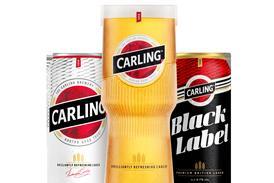
While stouts and craft beer are undoubtedly making market waves, traditional lagers still make up a vast portion of sales. Alexander Wilson, Heineken UK’s category and commercial strategy director, says that premium and mid-range lager represent 62% of sales, while “mid and large packs are most popular by far” over Christmas.
He adds that Foster’s 18-pack “is still the biggest SKU” across the firm’s portfolio over the festive period, with premium Birra Moretti 12 and 10-packs next most popular.

2. Get in the Christmas spirits
Despite only comprising 15% of the year, November and December see 27% of volume, and 26% of value sales for spirits, according to research from NIQ, meaning now is very much the time to start thinking about stocking up the top shelf.
Baileys is something of a Christmas staple in many households, and while the classic whiskey and cream liqueur may the first thing some shoppers reach for, the new Baileys Terry’s Chocolate Orange could be just the tonic for retailers this season.

Aiste Valiukaite, trade marketing manager at Disaronno International UK, explains that shoppers “enjoy celebrating the festive period by recreating out-of-home experiences at home”, with cocktails one way people do this.
Valiukaite adds that concoctions including “spritzes, mimosas and buck’s fizz peak during the festive period”, bringing with them an “uplift in sparking wine and Champagne, which mix very well with the simple-to-make Disaronno Spritz”.

Disaronno also manages to have beaten the market of late, with volumes increasing by 0.2% against an overall category decline that NIQ puts at 8.9%.
The warming nature of whiskey also makes it well suited to Christmas, Valiukaite highlighting data from NIQ indicates American, Irish and Malt whiskeys generated £289m in value sales across the last 12 weeks of 2024.
Best-sellers like Jack Daniels, Johnnie Walker and Jameson’s are likely to be retailer staples, with the latter recently reintroducing Jameson Ginger Ale & Lime 330ml RTD cans, which could squeeze in the fridge next to the Christmas turkey as an option for those who may not want to splash out on whole bottles of spirits.

Jim Beam recently changed the formula of its Black whiskey, which is now aged for seven rather than six years, while also introducing Jim Beam Pineapple, which could provide both a talking point and a warming tipple. Jack Daniel’s, meanwhile, brought out a Blackberry variant earlier in the year.

3. ‘Tis the season to be jolly (sensible)
While some households like to start the day with a crisp Champagne cocktail, others may be more restrained, and it’s impossible to ignore the fact that health and wellness are increasingly top of consumers’ minds.
Vinarchy, which was formed earlier this year following the merger of Accolade Wines and Pernod Ricard Winemakers, says more than half of all UK consumers don’t drink or are looking to reduce their alcohol consumption. The firm’s marketing director for Europe, Tom Smith, highlights Echo Falls’ 5.5% and 9% ABV Fruit Fusion wines as being worth stocking up on for shoppers after something lighter.
Alexander Wilson from Heineken UK says there is “huge support” from his firm to “amplify no and low-alcohol options”, with “mindful consumption” a hot trend at present. Birra Moretti Zero is now worth £5.2m and enjoyed a 13.6% rise over 2024, while Old Mount Alcohol Free, meanwhile, is a good option for cider fans.
Brewdog’s Georgia Ladbrook considers that “moderation is now mainstream”, and suggests her firm’s Cold Beer, at just 3.4%, will appeal to those looking to reduce their alcohol consumption.
4. People like to treat themselves, and others
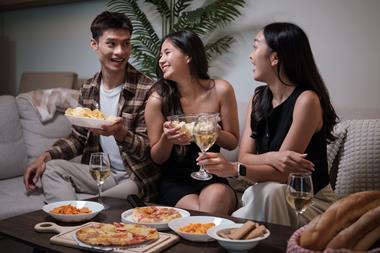
Christmas is famously a time for friends and families to come together, and Disaronno’s Aiste Valiukaite says “retailers should note the huge festive trend of at-home entertaining”.
Given many households will be buying for others as much as themselves, many shoppers will be venturing out of their comfort zones when selecting Christmas drinks. Circana’s data indicates Brewdog’s eight-can Mixed Packs saw growth of 79% over the eight weeks leading up to 5 January 2025.
“Many people are purchasing beer styles they don’t necessarily drink themselves” says Giles Mountford, head of brand marketing for Badger Brewery, with the firm’s Red Rascal Cherry Mild and Cranborne Poacher appealing to those who like something different, and Fursty Ferret a solid bet for mainstream ale fans.

Vinarchy’s Tom Smith, meanwhile, suggests retailers consider limited-edition drinks to cater for consumers after something different, as 19.7% of shoppers are willing to pay more for these.
Smith says staple red wines include Merlot, Shiraz and Cabernet Sauvignon, with Barossa Ink Shiraz “really resonating with consumers”. For whites, he suggests Sauvignon Blanc, Pinot Grigio and Chardonnay will cater to most palettes.
Boxed wines, meanwhile, can stay fresh for up to six weeks after opening, making them ideal for households who prefer other drinks themselves, but may be having guests over the season who like nothing more than a drop of red or white. Vinarchy’s 1.5-litre Jam Shed and Echo Falls Mini Boxes could be just the ticket here.

5. Christmas merchandising
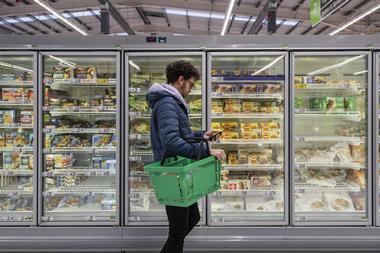
Cross-siting products may be a well-established practice, but Christmas is unique in presenting so long a period to offer shoppers multiple chances to buy product lines.
With food playing so big a role in festivities, placing select wines close to chiller staples is something of a given, while the popularity of fruits, nuts and chocolate over Christmas means the grocery and snacks aisles are another potential location alcohol.
And with so much to think of during the season, shoppers popping out for last-minute wrapping paper and other stationery supplies like cards and sticky tape may be prompted to realise they’d forgotten about a particular relative’s penchant for wine or beer, with top-selling product lines presenting the greatest opportunity here.
The stackable nature of multipacks, meanwhile, means central self-supporting displays in prominent locations can be be a good sales point for popular lines of beer.
In general terms, Disaronno’s Aiste Valiukaite suggests Christmas displays should be in place by late October to early November, while Vinarchy’s Tom Smith highlights the average dwell time for consumers in convenience stores us just 4.12 minutes, making clear, eye-catching displays a must, with wines price-tiered from the bottom up.