





GettyImages-1394288968

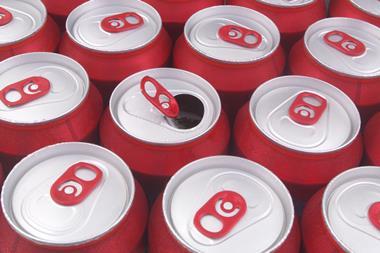
There is currently no legislation on age restrictions when it comes to selling high-caffeine energy drinks however, the government is proposing a ban on selling them to children in order to “protect their physical and mental health”.

RRW 2025

Under the proposals, part of its Plan for Change, the sale of high-caffeine energy drinks (containing more than 150mg of caffeine per litre) to under-16s will be illegal. The proposals would not affect lower-caffeine soft drinks nor tea and coffee.

The proposals are currently under consultation which will run for twelve weeks, closing on 26 November 2025, gathering evidence from health experts, education leaders, retailers, manufacturers, local enforcement authorities and the public.

According to government estimates, around 100,000 children consume at least one high caffeine energy drink every day, and it warns of growing evidence linking high-caffeine energy drinks to harmful effects on children, including disrupted sleep, increased anxiety, poor concentration and reduced educational outcomes.

The government noted that many major retailers already voluntarily restrict sales, but “research suggests some smaller convenience stores continue selling to children, highlighting the need for a consistent approach that protects our children and is fairer for industry”.

In its consultation, it outlines that retailers will need to introduce policies and processes to prevent underage sales. These may include:

· systems to verify the age of customers in store and online

· staff training, for example on implementing the ban and managing conflict during a sale refusal

· clear signs to inform customers of the minimum age of purchase

· maintaining a record of when sales have been refused, for example if a customer cannot prove their age

Given the consultation doesn’t end until November, legislation is still some time away but the government said it does “recognise that businesses will need time to prepare to prevent underage sales”.

“We want to balance the need to protect the public health of our children with the need to give businesses enough time to prepare to implement the age of sale ban, and give enforcement authorities enough time to prepare to enforce it. We propose that a six-month implementation period is appropriate, since many retailers already have processes for the sale of other age-restricted products that they can build on. These may include voluntary bans on the sale of high-caffeine energy drinks.”

What are the proposed fines?

The government intends to use powers in the Food Safety Act 1990, which means local authorities as enforcement authorities will be responsible for enforcing the ban. Local trading standards officers are typically responsible for enforcing such regulations, but enforcement policy will depend on local arrangements.

Under the Food Safety Act 1990, underage sales of high-caffeine energy drinks will become a criminal offence. To supplement penalties in the Food Safety Act 1990 and ensure penalties are proportionate to the circumstances of the offence, we propose that local authorities should be permitted to issue fixed monetary penalties (a fine) as an alternative option to the criminal penalties outlined in the act.

It plans to use measures in the Regulatory Enforcement and Sanctions Act 2008 to enable local authorities to issue a fixed monetary penalty. They can do this when they are satisfied beyond reasonable doubt that an offence has been committed and decide that a civil sanction, rather than criminal prosecution, is the most appropriate action to take. This is in line with enforcement of other food legislation under the Food Safety Act 1990, such as restrictions on the placement and promotion of products high in fat, sugar and salt.

If within 28 days the person or retailer has not discharged liability or made representations and objections which are subsequently successful, the local authority will decide whether to issue the fixed monetary penalty.

Fixed monetary penalty for underage sales of high-caffeine energy drinks

Person or business

Sum of the fixed monetary penalty

Sum to discharge liability (50% of the fixed monetary penalty) within the specified time

Sum for any penalty that is unpaid and has not been appealed after the specified time

Individual, micro and small businesses (less than 50 employees)

£1,500

£750

£2,250

Medium and large businesses (50 employees or more)

£2,500

£1,250

£3,750