















The Institute of Grocery Distribution (IGD) has just launched its UK Convenience Market 2025-2030 report.
It reveals the channel has demonstrated ongoing resilience and adaptability in the first half of this year, with growth of 1%, despite continued external challenges and a subdued broader retail environment, it says.
The report also forecasts that the convenience channel will grow to £56.2 billion by 2030, representing a projected five-year growth rate of 2.7% (compound annual growth rate).
Despite the headwinds carried over from 2024, the UK convenience channel sustained limited but consistent growth in the first half of 2025, with the sector on track to reach £49.2bn for the full year. Symbol groups continue to hold the largest segment share, growing just above 1% in the same period.
In contrast, the Co-op experienced a weaker performance, impacted by a malicious cyber attack and a number of regional store closures, while unaffiliated independents and forecourts faced ongoing challenges due to the tobacco downturn and site migrations into other segments.
The new report also shows how chilled foods and soft drinks are leading category value gains, achieving uplifts of approximately £150m. Fresh fruit and vegetables, frozen food, sandwiches, wraps and non-food all registered percentage growth rates of above 10%.
The largest shift in category share was seen in tobacco, e-cigs and vaping, whose share dropped below 17% of channel sales in the first half of 2025, though it remains the single largest component.
Alcohol, the second largest category, also experienced continued share decline, representing 15% of sales, while chilled foods and soft drinks are consolidating their positions as the third and fourth largest categories respectively.
Looking forward, automated dispensing and vending solutions are notably expanding, enabling retailers to provide a broader range of meal solutions around the clock and creating new opportunities for supplier collaboration and brand visibility. Quick commerce, driven by proximity and the need for distress purchases, continues to shape range evolution, with an emphasis on fresh products and meal ingredients to serve fast-changing shopper missions.
For more information, take a look at the IGD report here.
Patrick Mitchell-Fox (below), insight partner at IGD, who is also the author of the new report, spoke exclusively to Convenience Store about the findings and what they might mean for retailers.
What takeaways from the report would grab convenience retailers’ attention?
The ongoing drive of the big multiples in the channel has been sustained and looks to continue. Currently, the market is in a two-speed mode, with notably weaker growth in the symbols and indies. The performance of Co-op is anomalous in 2025 – having being impacted by the cyber-attack – showing just how disruptive this sort of malicious activity can be.

Category-wise it was the accelerating decline in tobacco plus a weak performance in alcohol. But it was much stronger in chilled and fresh categories, which primarily reflects the growth of the big multiples in the channel.
Soft drinks have been a hero in recent years and this has continued in 2025. While food to go categories mostly show good growth, hot food and drinks have taken a bit of a tumble this year, perhaps reflecting the strength of competition in this space from FTG specialists.
Did the report surprise you?
The challenges for the convenience sector have been building for several years so that’s not surprising, but it’s perhaps surprising that the tobacco decline hasn’t abated as mathematically you’d expect it might plateau at some point.
Have you been able to identify any trends or micro trends?
We’ve seen there are some rapidly growing new sub categories like meal replacement drinks such as Huel.
What do you think will be the most pressing matters affecting the convenience market over the next year?
Focus on trying to rebalance the sales mix away from licensed categories to find growth opportunities to offset the decline of tobacco, in particular.
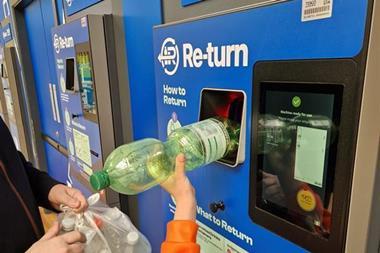
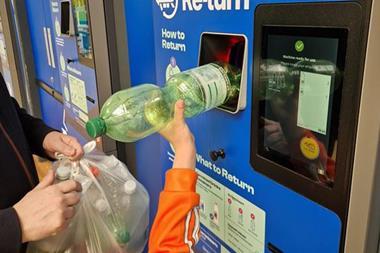
Things like the impending DRS scheme will go on adding further challenges to retailers which they’ll need to implement solutions for – obviously this will impact harder on independents where the resources to engage on and implement regulations like these is more limited.
Where do you think the convenience market might be by 2030?
Our forecast predicts solid growth of 2.7% compound annual growth rate to 2030, which will take the market to £56.2bn. However, this rate of growth will be behind the overall grocery market, where online and discounters will be the fastest growing components.”
How best can convenience stores prepare for the next few years?
“Convenience retailers must look to the future to survive and be prepared for what’s coming down the track – it needs them to be realistic about the challenges they face and take some tough decisions about how best to leverage the opportunities available to them.”







No comments yet