357467_image15_876674_crop

More than half of independent retailers are not aware of the Deposit Return Scheme (DRS) set to come into force in October 2027.

New research by the Association of Convenience Stores (ACS) has revealed the widespread lack of awareness among convenience retailers about the upcoming scheme for single-use drink containers.

The survey of 1,100 independent and symbol group retailers found the majority are unprepared for DRS, with just 27% having clear participation plans.

Of those who have a plan for their business, 12% said they plan to take back containers manually, 5% intend to invest in a reverse vending machine to manage returns, and 3% plan to seek an exemption from the scheme. 

What is the Deposit Return Scheme (DRS)?

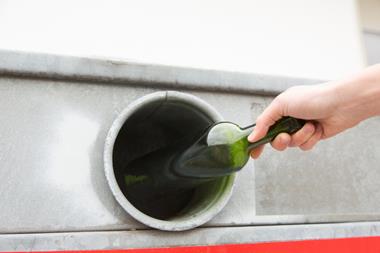
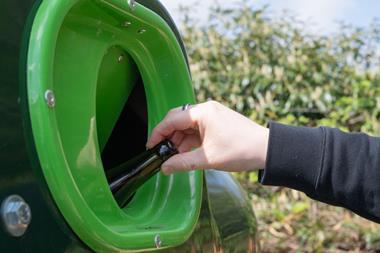
From 1 October 2027, customers will pay a refundable deposit for certain single-use drink containers under the Deposit Return Scheme (DRS). The deposit acts as an incentive to support recycling and it is redeemed when the consumer returns the empty container to a return point. 

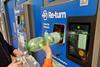
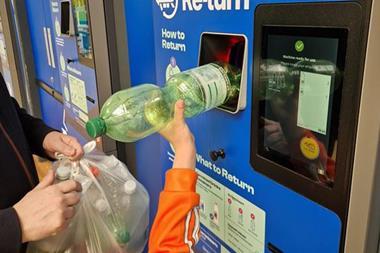
Supermarkets, convenience stores and newsagents that sell drinks in the scheme must host a return point for drinks containers, unless they qualify for an exemption. The return point can be manual or automated using a reverse vending machine.   

What single-use drinks fall under the scheme?

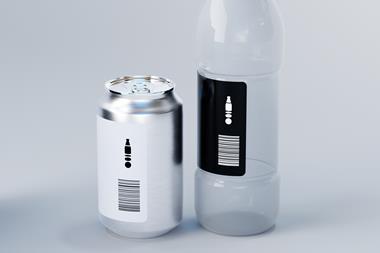
The deposit will apply to all single-use drinks containers that: 

  • are made wholly or mainly from aluminium or steel, or PET plastic 
  • have a capacity of between 150ml and 3L.
  • are likely to be used only once or for a short period of time 

Containers with a lid made from other materials are still included. 

Who qualifies for exemption? 

Small retailers in urban areas will be exempt from hosting a return point if they have a retail space of less than 100m²

Retailers will also be able to apply for an exemption if their business is close to another return point, or it is not possible to host a return point due to the location, layout, size, design or construction of their store. Further details on applications for exemptions on these grounds will be released over the coming months.

“Deposit Return Schemes have been talked about for over a decade, with a lot of noise and false starts that have understandably left retailers exhausted by the concept, let alone the detail,” said ACS chief executive James Lowman.

”We now have a firm timeline for the introduction of the scheme, so retailers need to start thinking about their plans for how they’re going to be part of the scheme when it’s introduced in October 2027, whether that be through hosting a reverse vending machine, taking back containers manually, or applying for an exemption.”

In May, the UK government appointed the UK Deposit Management Organisation (UK DMO) as the operator of the new DRS in England, Northern Ireland and Scotland. The not-for-profit organisation is responsible for designing and delivering the scheme’s infrastrucue. 

Rebecca Oliver-Mooney, UK DMO board director representing convenience retail, said: “Convenience retailers will be essential in making DRS a success, providing local neighbourhood return points that will make returns easy for consumers and help us to cut waste and increase recycling.

“As a DMO, we truly recognise the unique challenges for convenience and that’s why we’ve been working really closely with the ACS and other convenience groups to ensure that their views and experience of the sector shape our work as we develop the scheme.”

Commenting on the ACS’s new research around DRS, Oliver-Mooney added: “These findings demonstrate the importance of helping convenience operators get the information they need to make informed decisions. As our work to build the scheme continues, we’ll be able to provide much more detail throughout the first half of 2026.

”This will include hosting a series of free webinars on how DRS will work, including one with ACS, as well as regular newsletters and specific updates for the convenience sector.”