












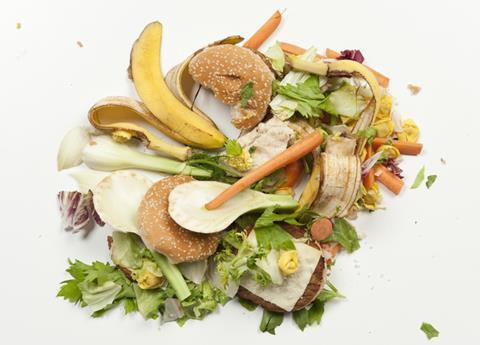
Yesterday (9 September), the European Parliament gave the final green light to new measures to prevent and reduce waste from food across the EU.
The updated legislation will introduce binding food waste reduction targets, which are to be met at national level by 31 December 2030.

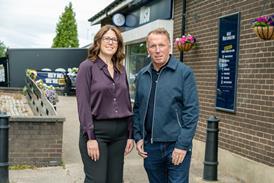
Commenting on the latest ruling, David Gudgeon (left), head of external affairs at circular economy experts Reconomy Connect, said: “Almost 60 million tonnes of food are wasted every year in the EU – the equivalent of 132kg per person – so the introduction of binding reduction targets marks an important milestone.
“By 2030, member states must achieve a 10% cut in food waste from processing and manufacturing, and a 30% per capita reduction across retail, restaurants, food services and households, measured against the 2021–2023 average baseline. It is encouraging that this baseline captures a broad, post-COVID data range, ensuring the targets reflect normal trading conditions.
However, Gudgeon said while meeting these targets would be demanding, they were a positive move in the right direction: “They signal a decisive shift away from a throwaway culture and the needless loss of resource-intensive food production. Reducing waste across the entire food value chain offers significant climate benefits, conserving land, water, energy and carbon otherwise lost through inefficiency.”
Gudgeon went on to hint at what the ruling could spell for the UK. “Businesses can get ahead by embracing circular methods such as improved waste tracking, process redesign and investment in circular infrastructures to not only support compliance in the EU but also unlock cost savings and efficiency gains and keep businesses agile to any similar regulatory changes in the UK.
“Driving circularity in our food systems means rethinking the full lifecycle of production and consumption. This ruling sends a clear signal that Europe is ready to move beyond wasteful practices – opening opportunities for collaboration between producers, retailers, charities and innovators to design a more resilient, resource-efficient food system.
For more information on the European Parliament’s decision, click here.









No comments yet