














As cold and flu season sets in, new research from Olbas reveals a striking generational divide in how people care for themselves when they’re unwell.
The research shows 18-28 year olds are leading the way in redefining what ‘self-care’ means, with over half (55%) feeling comfortable taking time off work to rest and recover.
By contrast, only 30% of baby boomers (61-79-year olds) say the same, as many still follow the ‘keep calm and carry on’ mindset – pushing through illness, rather than pausing to heal.
For Gen Z, self-care goes beyond medicine. They’re more likely to hit pause on socialising (54%), exercise (46%) and household chores (42%), with 83% believing that slowing down actually speeds up recovery.
Boomers, on the other hand, tend to manage sickness more traditionally, reaching for over-the-counter remedies (59 per cent), eating nourishing meals (50 per cent), and getting extra rest in bed (48 per cent).
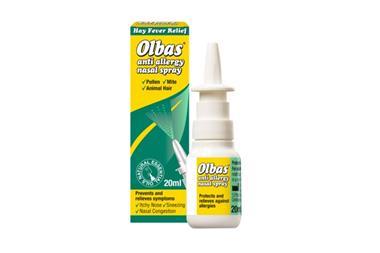
Dr Roger Henderson, NHS GP and spokesperson for Olbas, which commissioned the research, said: “Recovery is now seen as a chance to support both body and mind - with good sleep, hydration and calm activities all helping along the way.
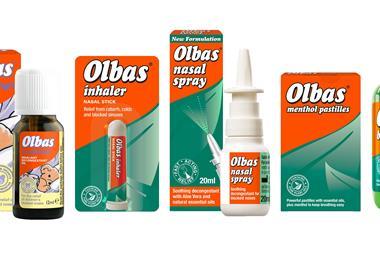
Small rituals can make a big difference too: steam inhalation, natural decongestants, warm baths or even propping up pillows at night can ease symptoms and bring comfort. These little moments of care not only help us feel better, but also give peace of mind for caregivers during cold and flu season.”
Rachel Ramsden, Olbas brand manager, added: “Self-care was perhaps once thought of as indulgent, but it’s now a necessity for many people.
“A lot’s happened in recent years, which has impacted how we care for ourselves and general attitudes towards cold and flu recovery. With winter approaching, it’s important people recognise the signs of illness and know how they can help themselves recover as quickly as possible.”





No comments yet