


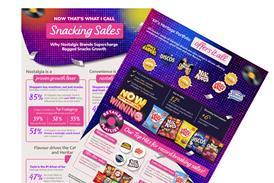



1. Salty snacks are now worth £631.6m and growing at +18%
2. Independents & symbols lost -0.5PP of volume share in crisps and snacks in the past 12 months – but this isn’t because of price
3. Private label products are growing ahead of branded products – but brands remain the bestsellers
4. Sharing bags remain the most popular format in symbols & independent retailers – but should they make more room for multipacks?
5. Enjoyment remains the number one driver of choice when buying crisps & snacks

1. Salty snacks are now worth £631.6m and growing at +18%
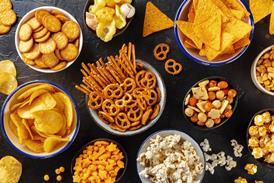
There are few categories in convenience as widely loved and as widely purchased as crisps, snacks and nuts. The market remains as buoyant as ever and has seen a flurry of innovation and promotional tie ups in recent months that are driving sales to even greater heights.
Speaking exclusively to Convenience Store, Ed Merrett, wholesale controller at PepsiCo, says: “Britain remains a nation of snackers, with 99% of people consuming savoury snacks. Half of these shoppers purchase in convenience, which underlines the ongoing relevance of the category.”
Retailers are continuing to see that crisps, snacks and nuts aren’t just sales drivers themselves – they can be basket builders across the store. “We merchandise our crisps, snacks, chocolate and other snacking options near each other as this encourages additional purchases,” says Trudy Davies, owner of Woosnam & Davies in Llanidloes, Powys.
“If you have crisps separately and they come in for crisps, that’s all they buy. Whereas, if you have chocolate or snacks nearby, they’ll treat themselves and buy those too.”
But the category is not without its challenges – particularly for convenience retailers. “Overall, convenience is facing the challenge of reduced footfall as consumers look to the supermarkets for value, as budgets remain squeezed,” says Matt Smith, marketing director for Tayto Group.
Retailers may need to tweak their existing strategies to continue growing their sales and profits in the months ahead. “The crisps, snacks & nuts category is thriving, driven by key trends in convenience, bold flavours, and sharing occasions. Food-to-go and at-home occasions are an essential part of category growth, with innovation and promotions continuing to drive category momentum and shopper appeal,” explains Stuart Graham, head of convenience and impulse at KP Snacks.

2. Independents & symbols lost -0.5PP of volume share in crisps and snacks in the past 12 months – but this isn’t because of price
Supplier prices and business costs are going up across the board and all stores – from the smallest newsagent to the largest hypermarket – have followed suit in their retail pricing. Symbols and independent retailers, however, are remaining more competitive than most. Their average volume price in crisps & snacks has increased by just 1.8% over the past 13 weeks, vs last year, which is lower than the rises seen in both major multiple grocer supermarkets and multiple convenience stores.
“Despite symbols and independent retailers becoming more price competitive over the past 13 weeks vs last year, this has not translated to volume share gains substantial enough to offset the lower-than-market-average volume price increase,” says Circana’s Alex Lawrence. “As a result, symbol and independent retailers continue to lose share of the crisps, snacks & nuts market.”
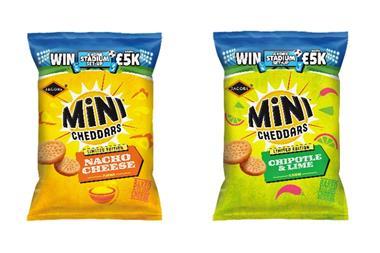
Building offers around key events is one way that retailers can bridge the gap. “There are several great sports events coming up for retailers to drive sales,” says PepsiCo’s Ed Merrett. “We have the UEFA Champions League in a couple of weeks and then the UEFA European Women’s Championship in June – both events are sponsored by PepsiCo. As consumers will be spending more time together, tapping into these occasions is a great way to grow sales.”
Meanwhile, being quick to stock new flavours and building displays around tie ups is a great way to drive excitement and engagement. “We’re now doing a lot more in-store activations and prize draws. The recent Walkers x Minecraft collab has been great, too, as kids are buying them almost daily,” says Trudy.

3. Private label products are growing ahead of branded products – but brands remain the bestsellers
While volume sales are down for private label, as they are for branded products, value sales are up by +2.2%. Circana’s Alex Lawrence says: “Private label products have been able to maintain higher prices for longer, with an average volume price increase of 3.5% in the past 13 weeks.”
Retailers should make sure they are presenting a lower-priced offering that caters for value conscious shoppers. “Sixty-five per cent of consumers are willing to switch brands for a lower price,” says Tayto’s Matt Smith.
“Merchandising by price-point makes the fixture easy to shop. Having a strong range of both £1 and £1.25 PMPs is essential – but group each price point together to make it easier to shop the fixture quickly.”
Despite the growth in private label, it’s worth noting that the top five price-marked packs are all brands (Quavers Cheese 54g, Walkers Cheese & Onion 70g, Doritos Chilli Heatwave 70g, Walkers Ready Salted 70g and Doritos Tangy Cheese 70g), highlighting the importance of ensuring your core range is highly visible.

4. Sharing bags remain the most popular format in symbols & independent retailers – but should they make more room for multipacks?
Every independent retailer will likely be familiar with the boom in sharing bags. Backing them has been the prevailing wisdom of savvy store owners and category leading suppliers for years.
Matt Smith, marketing director for Tayto Group, says: “Sharing price-marked packs remain the core of the category, having been the main driver of growth – up by +50% in the past four years, but this has slowed to 1.6% year on year as many brands have remained at £1. In having remained at £1, Golden Wonder continues to outperform total snacks at +22% YoY vs 13.3%.”
Circana data reveals that by volume sales in independents & symbols, sharing packs now make up three in four (76%) sales in the category, with single packs at 13% and multi-packs at 11%.
The major multiples, meanwhile, see 58% of their sales come from sharing bags, while multi-packs make up 39%. Single bags make up the remaining of 3%. Of course, supermarket shoppers differ from those in convenience stores, but with independents losing market share, they may be missing out on sales from multipacks. Even multiple convenience stores have a fifth of category sales coming from multipacks – nearly twice the share as independents & symbols.
“There looks to be some scope to increase the range in multipacks,” says Circana’s Alex Lawrence. “The market for bigger packs in convenience looks to be there and selling bigger packs within symbols & independents would help retailers recover volume share.”
That’s not to say retailers should move away from sharing bags. This format, particularly in price-marked pack, continues to deliver strong sales. Sue Nithyanandan, owner of Costcutter Epsom in Surrey, says: “PMPs are crucial right now in crisps and snacks because shoppers see them and pick them up without a second thought. Standard bags aren’t a focus for us right now, but grab bags and sharing bags are because they offer higher value.”

5. Enjoyment remains the number one driver of choice when buying crisps & snacks
While stocking better-for-you lines has risen in importance in recent years, for most shoppers, when it comes to crisps & snacks, one driver trumps all others – taste.
“Crisps and snacks has always been synonymous with big, bold flavours, and taste remains the number one category driver as shoppers look for tasty snacks, whether as a meal accompaniment, a treat in the evening or an energy boost during the day,” says KP Snacks’ Stuart Graham.
“We have launched a number of taste-led new products over the past year, which more recently includes the launch of the new Cheetos Fiery Jalapeño & Cheese,” says Nic Storey, senior sales director – impulse & field sales at PepsiCo. “The spicy snacking trend shows no signs of slowing down, with the flavour segment having grown +8.7% year-on-year.
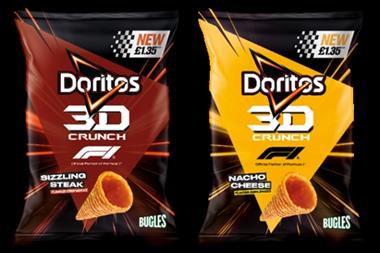
“Last year, Walkers launched our Extra Flamin’ Hot portfolio, which includes Walkers Max, Doritos, Wotsits Crunchy and more recently, the new Doritos Dinamita.”
In recent years, PepsiCo has adopted a strategy of developing new products in collaboration with independent retailers. “It’s become part of our playbook. Retailer views informed our thinking for both Cheetos Fiery Jalapeño & Cheese and Doritos Dinamita,” says Ed Merrett, wholesale controller at PepsiCo. “Based on their feedback, we made packaging tweaks, changed marketing assets and PoS, and even changed the size of the price-mark.”
In-store supplier support is another way retailers can build relationships to drive sales. “Supplier engagement is important in helping us drive crisp and snack sales because it helps drive trial,” says Sue. “If they want us to showcase brands, they’ll send us samples to hand out to customers. We’ve been working with Proper Snacks, for example, who have released a PMP, so customers are getting a premium brand at a value price.”
Retailers are also urged to size the opportunities in snacks outside of the carbs-based bestsellers. Shaun Whelan, Jack Link’s convenience/wholesale and OOH controller, says: “The jerky and biltong category is one of the fastest-growing segments within crisps, nuts and bagged snacks, now worth more than £40m and continuing to expand in both value and volume.
“But with fewer than one in ten households currently purchasing jerky, there is significant opportunity for further category expansion.”
By offering on-trend flavours in a variety of formats that offer crisps & snacks shoppers great value, you can grow your sales and profits from this much-loved convenience core category.




No comments yet