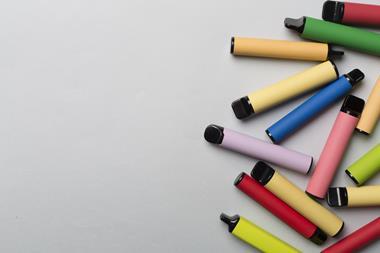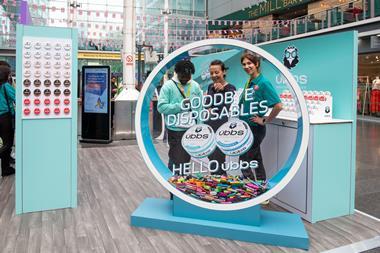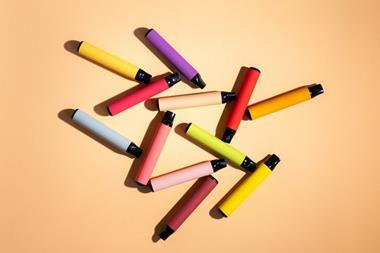












With the UK’s ban on disposable vapes coming into force this Sunday (1 June), Ross Murdoch (below), chief sustainability officer at packaging tech company Meadow - who work to replace single-use formats with circular solutions - says while he welcomes the legislation, fears banning disposable vapes could lead to more people throwing away rechargeables.
Adding his voice to the growing number of people claiming that new wave of vapes are just as harmful, Murdoch’s own fear is that consumer habits just won’t change, and the relatively comparable price of the newer, rechargeable models will make them just as ‘throwaway’ as their predecessors.

He also says the industry responses tend to be to try and circumvent the legislation with the minimum disruption - therefore responses should be based on incentive as opposed to just bans.
He said: “The ban on disposable vapes is a good step. It shows growing recognition from policymakers that single-use design has unacceptable environmental consequences that can no longer be ignored.
“But these products are not just a public health concern – they’ve become an environmental scourge. Designed to be used once and discarded, they often end up in the street, in parks and waterways. We’re all used to seeing them. Even when they are thrown into main waste streams such as household bins, they still cause environmental issues. Most contain valuable and recoverable materials – including lithium batteries and metal components – but are rarely disposed of properly and due to their design are difficult to recycle at scale.
“Banning one format doesn’t automatically solve the problem. There’s still further to go. The industry’s response so far has largely been to repackage the same single-use mindset into a slightly more complex device.
“The new devices are billed as reusable but most people will buy them, use them for a short period of time and then throw them away, before purchasing a new device later on – all without bothering to recharge or refill it.
“Effectively, the cost of the ban is being passed on to consumers as a form of tax on the same behaviour.”
“For many users, the new design is viewed less as a reusable product and more as a slightly bulkier, more expensive disposable. Effectively, the cost of the ban is being passed on to consumers as a form of tax on the same behaviour.
“Whilst this new legislation is a good first step, a more nuanced approach is required moving forward to ensure that the products that brands are producing are actually designed with circularity in mind, as opposed to just being made to circumvent policy.”


No comments yet