


Convenience Store - 2026-05-29T101844.557

Despite a cooler than average early May, many retailers are now looking to this year’s World Cup to boost sales.  

Total till sales at UK supermarkets rose by 4.2% in the four weeks ending 16 May, new data from researchers NielsenIQ (NIQ) has revealed.

The figures were boosted by a strong week ending 25 April, which was up by 9.1%, and also helped by comparing against a weaker period after Easter last year.

However, NIQ’s data shows growth over the following three weeks weakened, with growth across the industry slowing even further (+0.2%). This period saw the weakest growth so far this year, reflecting the wider cost of living concerns of shoppers with higher fuel costs and council tax.

Despite this, NIQ revealed shopping occasions saw a positive uplift (+1.4%) with the impact of food inflation stable, with the average basket costing +3.8% more than this time last year at  £20.23 per visit. Spend on offers also increased to 24.8% of FMCG sales, compared to 23.5% a year ago, showing that consumers are responding to retailer and brand activation.

Ambient grocery (+7.6%) was the fastest growing category by value, followed by health, personal care and baby (+4.9%) and fresh foods (+4.7%).

Although frozen food sales were flat (-0.1%), the category was fastest growing in unit terms (+5.5%) as shoppers sought out savings on pack sizes and easy to serve portions that avoided food waste.

Household and petcare (-0.4%) and beer, wine and spirits (-1.9%) also saw sales decline.

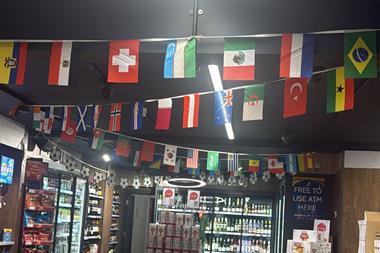
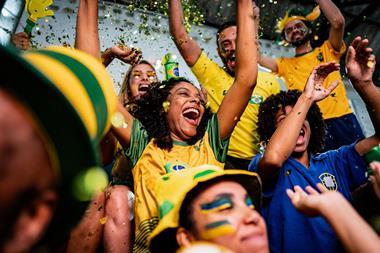
To help boost demand into June, retailers are now expected to shift their focus to the upcoming World Cup, with data from NIQ showing almost half of UK households (48%) are interested in the tournament which could see a healthy boost for stores.

Convenient options are expected to see growth as it’s become a key channel during events, thanks to the rise of rapid delivery in the last three years, particularly during the Euros final where the channel saw value share peak (11% vs 7%).

The World Cup 2026 is also set to show the highest number of games in the competition’s history which, combined with later kick off times, could also drive incremental spend. NIQ anticipates the potential for increased sales for desserts, snacks and drinks and confectionery could also be a popular category.

1516530626212

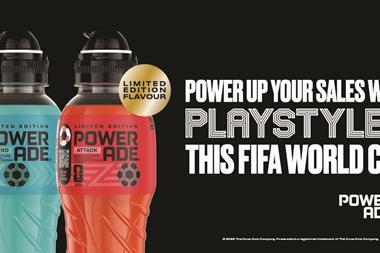
For those watching late-night matches, there’s a clear indication of moderation, with NIQ data showing only 40% of interested households say they would drink alcohol. This points to potential growth for soft drinks and hot beverages - including non-alcoholic drinks.

If the hotter weather continues, ice cream and frozen desserts are also in prime position to win during the tournament as they meet the desire for an evening treat after dinner.

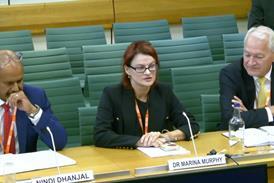
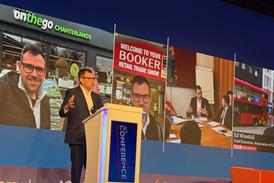
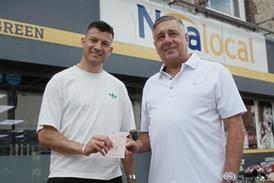
Mike Watkins (above left), head of retailer and business insight at NIQ, said: “After weak growth in the first two weeks of May, sales are no doubt going to pick up again as a result of the current heatwave and a sustained period of warm and sunny weather should now maintain this momentum through June.

“The next six weeks to the start of the school holidays are a good ‘trade up’ opportunity for retailers.”

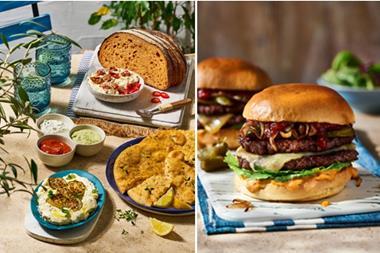
“The next six weeks to the start of the school holidays are always a good ‘trade up’ opportunity for retailers, with seasonal, fresh and ‘al fresco’ dining also top of mind for shoppers. Additionally, the imminent start of the FIFA 2026 World Cup will bring some attractive promotional offers for shoppers which will encourage them to spend.

“Looking ahead, superstores with their breadth of range typically do well around peak events, but the World Cup will also give a boost to rapid delivery and could also help many convenience stores, which so far in 2026 have underperformed.

“Shoppers may also look again at the convenience of online shopping, and some will be inclined to spend more on ‘dine in at home’ offers rather than eating out. These are the tailwinds that should help the sales momentum of food retailers for the rest of Q2.”