Chancellor Rachel Reeves has presented her second Autumn Budget to Parliament, announcing a series of measures expected to directly impact convenience retailers.
Of most interest to the sector, Reeves said she is to introduce “permanently lower” business rates for over 750,000 retail, hospitality and leisure properties, the “lowest rates” since 1991, she claimed.
The multipliers that determine annual business rates will be cut for retail, hospitality and leisure properties, while rates will increase for high-value properties. “This would be paid for through higher rates on properties worth £500,000, like the warehouses used by online giants,” Reeves told the Commons.
The new business rates multiplier will be set just 5p lower than the small business and regular multipliers, which fails to offset the removal of the remaining 40% relief on business rates that was first introduced during the pandemic, said the Association of Convenience Stores (ACS).
The chancellor pledged to “support a level playing field in retail” by making sure customs duties are charged on all parcels, stopping online firms from “undercutting high street businesses”, said Reeves.
Closing the loophole that allowed overseas sellers to avoid import duties is a “major step toward fair competition for UK retailers”, said Martin Hamilton, partner and head of retail at accountancy and advisory firm Menzies LLP.
Already announced
On Tuesday (25 November), ahead of the Budget, the government confirmed the National Living Wage will rise from £12.21 to £12.71 from April 2026.
In a move trailed yesterday (25 November), ministers also announced that milkshakes and dairy-based drinks will now fall under the Soft Drinks Industry Levy in a bid to tackle the “obesity crisis”.
Health secretary Wes Streeting confirmed the threshold at which the levy starts will be lowered from 5g of sugar per 100ml to 4.5g of sugar per 100ml, giving manufacturers until January 2028 to reduce sugar in their drinks or face new charges.
Crackdown on rogue traders
Speaking in the Commons, Reeves said the HMRC would “crackdown on illicit businesses that blight our high streets and undercut illegitmate firms”.
Earlier this week, the government announced new rules to tackle the booming black-market in illicit vapes as part of the government’s plans to “protect Britain’s high streets”.
The Border Force and HMRC are to be armed with “sweeping new powers” to seize illegal vapes on the spot with rogue traders that flout the rules facing £10,000 fines and a potential prison sentence, it said
On top of that, all vapes sold in the UK will be required to carry a digital duty stamp from October 2026 to help consumers and enforment officers identify fakes.
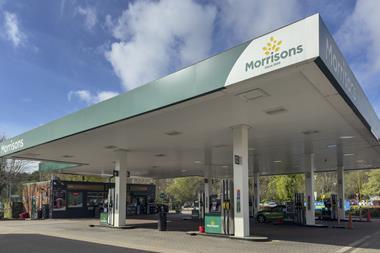
Other measures announced included a freeze on fuel duty at the current rate of 52.95 pence per litre of petrol or diesel for a further five months which includes an extension of the 5p temporary cut, which will be unwound in September 2026. From April 2027, fuel duty will then increase annually in line with RPI measure for inflation.
Alcohol duty is to rise by RPI and tobacco duty is to rise by RPI plus 2%. There is also 100% business rates relief for EV charging points and EV only forecourts for the next 10 years.


No comments yet