




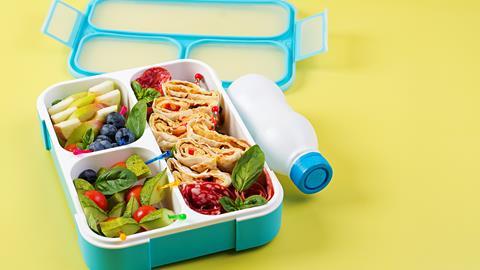
With four million children taking packed lunches to school each day, the lunchbox category represents a significant sales opportunity for convenience retailers — but only if they get the range and merchandising right.
1. How is the category performing?
2. Do chilled or ambient lines perform better?
3. What’s new for lunchboxes?
4. How much does health matter for lunchboxes?
5. Who is really picking the products?
6. What are the right pack sizes?
7. How can retailers get their offering right?
1. How is the category performing?
Emily Lea, head of category & customer strategy at Bel UK, outlines the size of the prize when it comes to lunchboxes. “Approximately four million children in England take a packed lunch to school each day with estimates suggesting children eat roughly 316 million packed lunches per year. However, we know they’ve become something of a battleground between the fun and flavourful foods children want and what parents know they need.”
Lea adds that health also plays a factor. “With around two in five children leaving school overweight - putting them at greater risk of chronic illness later in life, and fewer than one in 10 children aged 11 to 18 years (9%) eating their recommended five fruit and veg a day, the nutrition stakes are high.
“The result is that many traditional lunchbox staples are coming under scrutiny. Parents in particular are instead looking for snacks containing simpler and fewer ingredients, but still containing key nutrients, such as protein, fibre and calcium.
“It’s up to us as suppliers, and our retail partners, to ensure kids lunchbox products not only taste great, but come in balanced, nutrient-dense portions, and offer genuine choice for the 91% of parents who tell us that seeing their kids eat something nutritious is one of life’s wins.”

2. Do chilled or ambient lines perform better?
Busy parents don’t have time to buy lunchboxes items on a daily basis, and who’s child hasn’t left their lunchbox at home on at least one occasion? While parents might want to give chilled items, sometimes it’s easier to stick with ambient, as Duncan Chappell, national retail sales manager at Brioche Pasquier explains.
“Due to the chaos of the back to school period, ambient lines often perform better due to their longer shelf life as this allows customers to buy one pack that keeps lunchboxes full all through the week. This emphasises the importance of stocking convenient products that help parents prepare children’s lunchboxes quickly and easily.”
Stuart Graham, head of convenience and impulse, KP Snacks, agrees.
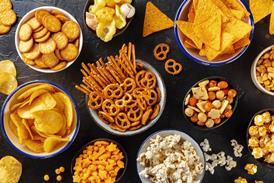
“Bagged Snacks is a scaleable, priority category with strong consumer appeal and household penetration, appearing in 1 in 5 convenience shopping baskets, almost twice as many as confectionery,” he says. “Bagged snacks in particular are a staple of lunch boxes, and serve as excellent top-up snacks following a school day.”
3. What’s new for lunchboxes?
Parents may be focused on making sure their children have a balanced diet but let’s face it, the kids want to have the latest NPD to show off to their mates.
Shaun Whelan, head of convenience at Jack Link’s takes us through some of the newer products from the brand. “One of the most exciting launches for 2026 is the limited-edition Peperami x Doritos BBQ Sweet Tang range, which brings together two highly recognisable snacking brands.
“The range includes a five-pack, Lunchbox Minis and a single-stick format, allowing retailers to target multiple shopper missions including lunchboxes, food-to-go and take-home occasions. The partnership combines Peperami’s protein credentials with Doritos’ fastest-growing flavour in the UK, helping inject fresh excitement into the meat snacks category ahead of key trading periods such as back-to-school.”
Brioche Pasquier’s Duncan Chappell also pitches in with some new lines. “As a delicious and mess-free snack, PITCH has become a staple in children’s lunchboxes, and this year, Brioche Pasquier has a new flavour to entice young customers with a new Blueberry PITCH joining the existing Choc Chip and Chocolate and Hazelnut varieties. Featuring a fruity blueberry filling encased in the much-loved brioche roll, each Blueberry PITCH is individually wrapped for convenience, making it perfect to add to lunchboxes or for a tasty after-school treat.”
4. How much does health matter for lunchboxes?
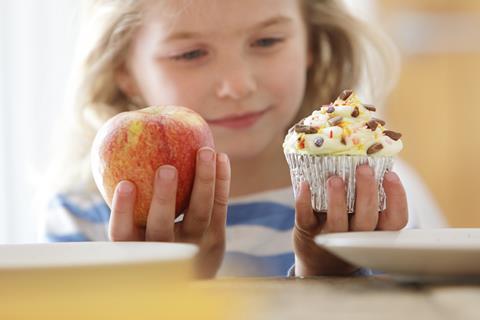
Striking the right balance between handy and healthy is never easy so parents need plenty of options for nutritious lunchboxes.
Sales director at Yoplait, Grant Yates, highlights a survey carried out by the business on children’s health. “Our 2025 survey which explored parents’ concerns around providing their kids with nutritious food, revealed that more than half (58%) of parents worry their kids aren’t getting the essential nutrients they need, especially when it comes to calcium and vitamin D – two vitamins crucial for healthy bone development. In addition, almost 70% of parents are worried about what their children are eating and want their children to consumer healthy food, translating to more than half of the primary school children taking packed lunches to school. This creates a clear opportunity for portable, fortified dairy options that offer both reassurance and convenience.
“Lunchbox-friendly formats such as tubes, small pots and yoghurt drinks provide an easy solution. Products including Petits Filous, Frubes and Wildlife are designed to be mess-free, easy to carry and nutritionally balanced, making them ideal for school bags and after-school snacking.”
Marketing director at Quorn Foods UK, Lucy Grogut, agrees that not everyone is eating healthily. “Fibre is currently critically under-consumed by most of the UK population, with many adults and children missing the recommended target of 30g a day. However, over the last year, we’ve seen fibre slowly starting to have its moment with shoppers, with the link between gut health and overall healthier lifestyles also gaining prominence.
“Chickpeas are naturally high in dietary fibre and protein - a double hit for health-conscious consumers, helping position falafels as a go-to plant based snack. Cauldron’s Falafel and Veggie Bites range is attracting these shoppers with its range of delicious flavours and convenient formats. With around 6-7g fibre per 100g, all boast a high in fibre claim as well as being low in saturated fat.”
“As we head into back-to-school season, retailers should prioritise cheese snacking across both planned lunchbox, after-school and impulse food-to-go, because it offers families a convenient way to add real dairy, natural protein and calcium into everyday routines, while giving children a snack that still feels fun,” says Sarah Davies, head of core brands & business at Kinisla. “The new opportunity is particularly strong as family routines reset in September. For retailers, that creates a clear role for cheese-based snacks that can support both the lunchbox mission and the after-school occasion, when parents need convenient, filling options that children will actually eat.”
5. Who is really picking the products?
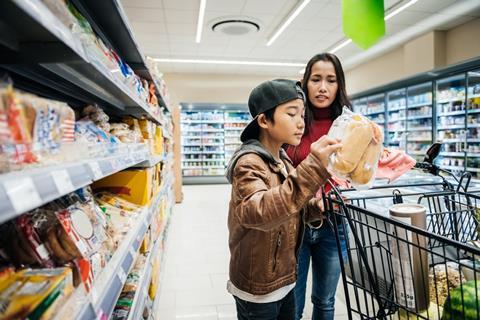
Parents may be paying but who is choosing what goes into the lunchboxes, and how do brands make sure they’re catering to both?
Brioche Pasquier’s Chappell says products have to be eye-catching. “Children are very influential in parents’ purchasing decisions; after all, parents want to encourage children to eat everything in their lunchbox, making it essential for children to have a say in what their parents buy. This influence only increases as children get older. With this in mind, the most popular child-friendly snacks often feature fun and eye-catching packaging that appeals to younger customers, encouraging them to grab these products to show their parents.”
BEAR marketing manager, Stephanie Armstrong, adds: “When it comes to kids’ fruit snacking, parents are looking for healthy alternatives to confectionery that their kids actually want inside their lunchbox. Children don’t snack for credentials – they snack for fun and flavour. That’s where BEAR’s hero Yoyos range really excels, accounting for 52% of total brand sales. Delivering bold flavours in an exciting format, they’re a lunchtime favourite for older cubs.
“We recognise not all cubs are built the same, with different tastes and preferences, so we’ve continued to expand the range with products suited to different ages and occasions. From our BEAR Sour Extreme Yoyos to BEAR Mango & Sour Berry Fruit Splits, the portfolio caters to every stage of development, all under one trusted fruit brand.”
6. What are the right pack sizes?
With space limited in stores, retailers have to make tough calls about formats of the lines they offer.
Kinisla’s Sarah Davies advises them to keep the shopper’s convenience as a priority. “Making lunchbox shopping quick and easy is key. Multipacks remain important for planned family shops, with Cheestrings, Munch Mix and Yollies, multipacks continue to anchor lunchbox missions for busy households.
“At the same time, more portable formats and combination snacks are helping retailers tap into top-up and impulse purchases, with products such as Munch Mix bringing more variety and excitement into the fixture for parents looking to keep lunchboxes fresh and interesting. Strong chilled visibility and additional display space around lunchbox and back-to-school occasions can help retailers capture incremental spend throughout the school term and increasing shopper loyalty.”
Jack Link’s Whelan also suggests stocking PMPS. “Price-marked packs remain a highly effective mechanic in convenience. They provide shoppers with immediate reassurance on value and help remove friction at the point of purchase.
“For retailers, PMP formats can help increase visibility, encourage impulse purchases and support strong rate of sale. They are particularly valuable during back-to-school, when parents are actively comparing prices and looking for trusted brands that offer clear value.”
He adds that from a size point of view, SKUs that lend themselves to portioning work best. “Convenient, portion-friendly formats are particularly well suited to lunchboxes. Smaller multipacks allow parents to easily manage portions while providing flexibility across the school week. Peperami Lunchbox Minis are a good example of this trend, offering a convenient format that is easy to pack while still delivering the protein and flavour shoppers are looking for. Our 5-pack multipack format also help retailers cater for family shopping missions alongside impulse and food-to-go occasions.”
7. How can retailers get their offering right?
Kinsila’s Davies encourages retailers to make sure it’s all at hand when shoppers are looking for lunchbox lines. “Visibility plays a key role in making sure convenience stores are a reliable destination for parents. Back-to-school shopping is often mission-based and driven by convenience, where parents want trusted brands that are easy to find and easy to shop, particularly within chilled snacking.
“Consumers are looking for clearer shelf layouts and more inspiration within the cheese category, creating a strong opportunity to maximise sales during the back-to-school period. Retailers should look to make the most of these moments by harnessing the visual identities of popular brands – for example, the iconic purple of Cheestrings – to help shoppers identify core lines quickly.”
Jack Link’s Shaun Whelan agrees that it’s important to make it easy for shoppers. “
One of the biggest mistakes is underestimating the importance of visibility and availability. If key lines are out of stock or difficult to find, retailers risk missing valuable sales opportunities.
“Retailers should ensure bestselling products are easy to shop, maintain strong availability and use clear merchandising principles such as brand-blocking. Secondary siting can also be highly effective in capturing additional purchases from busy parents and shoppers completing lunchbox missions. The unseen is the unsold.”
No comments yet