















Many years ago, Private Eye published a cartoon showing an undertaker posing next to a Rolls-Royce alongside the caption: “Yes, you could say death’s been good to me”. Given cough medicines alone are worth £100m a year, a similar (though less macabre) sentiment is true for winter remedies.
With around 70m people living in the UK, each of us catching around three bugs a year and 80% of these hitting in the winter months, make no mistake: at this time of year there’s gold in colds.
Stocking up on remedies is therefore something of a no-brainer for convenience and forecourt retailers, with customers with streaming noses likely to come streaming through shop doors. Here, we detail some of the winter-remedy products and trends that you should be on the lookout for.
Jump to a section:
-
Wellness rather than illness
-
Stock according to symptoms
-
Make throat lozenges stand out
-
Pharmacy’s decline is convenience’s gain
-
Remedies for all ages
1. Wellness rather than illness
The £100m figure mentionned in our opening paragraph comes from market-intelligence firm Mintel, which also highlights that the cold, flu and decongestant market is worth £364m, with medicated confectionery alone coming in at £152m.
But while those are undoubtedly strong numbers, Mintel’s OTC (over the counter) & personal care research analyst, Ziyu Tian, notes that while traditional medicines and treatments continue to form a core part of the winter-remedy market, “a shift towards holistic and preventative health management could restrain further market growth of OTC analgesics and cough, cold & flu remedies”.
That shift means that thinking of prevention rather than cure could benefit retailers, with supplements such as vitamins C and D, echinacea and Zinc potentially worth stocking.
Functional shots with high quantities of ginger may also appeal to shoppers looking to ward off or beat off bugs and colds, with market leader Moju investing millions into an advertising campaign this autumn and winter, and the firm promoting the immunity boosting properties of its Fresh Root Ginger shots, alongside its Fresh Root Turmeric, and Hot Mango varieties.

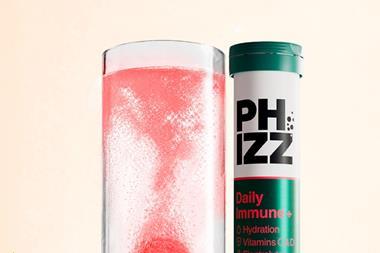
Also looking to get into the immunity action is hydration brand Phizz, which is looking beyond the summer months when it sees most sales, introducing dissolvable Daily Immune+ tablets in strawberry and orange flavours to provide a boost through the cold season.
2. Stock according to symptoms
DCS Group, which, amongst other activities, distributes medications for a number of leading brands, details that the most common ailments customers seek treatment for are general cold & flu symptoms followed by coughs, sore throats, congestion, and sinus discomfort. So if your winter-remedy range doesn’t cater to these common ailments, it’s time to look again.
Data from consumer-intelligence firm NielsenIQ, meanwhile, indicates that Sudafed, Lemsip and the decongestant Otrivine all grew their market share in the year leading up to June 2025, with Lemsip being the standout here with a brand value of £91.1m.
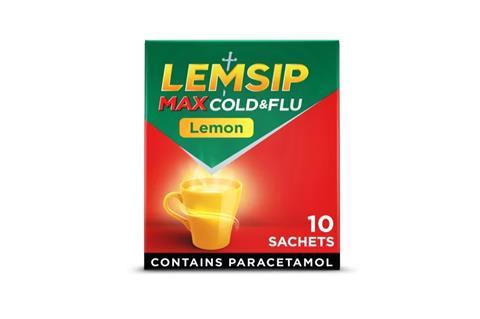
Given such figures, and the strong brand-recognition the above medications hold, the above product lines are sensible bets for retailers looking for a core range of winter-remedy medications.
And, while brand leaders Nurofen and Panadol may pour serious money into marketing, cash-conscious buyers are increasingly likely to look to generic ibuprofen and paracetamol – though margins on these tend to be less than with big-name alternatives.
3. Make throat lozenges stand out
Stocking the medications listed above should cater to customers seeking treatment for sinus discomfort, cold & flu symptoms, and nasal congestion, but those looking for relief from coughs and sore throats have so far been left out.
Interestingly, data indicates that consumer tastes may be pivoting away from traditional medicated sweets like Strepsils and Halls, both of which NeilsenIQ says lost market share over the same period 12 months to last June, with shoppers moving towards more natural alternatives.
Fisherman’s Friend may have been around for over 150 years, but that’s been no barrier either to its range diversifying, or its sales growing.
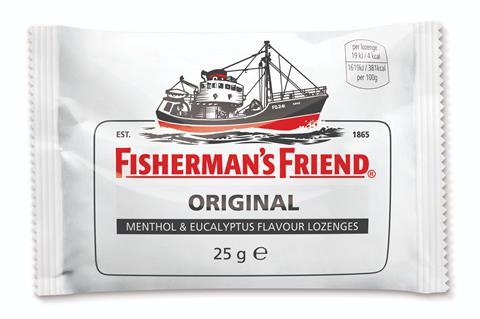
With 10mg of menthol per lozenge, the brand’s Original Extra Strong variety is its most popular, making up around 55% of sales, with Sugar Free Blackcurrant taking silver with 19%.
Across the range and the last 12 months the brand has enjoyed a 5.9% rise in sales volumes, despite cold and flu remedies declining 5.5% as a whole. And some 36% of Fisherman’s Friend packets, which have a 99p RRP for a 25g bag, are picked up from convenience retailers.
The firm’s regional business manager, Jon R. White, attributes the resilience of Fisherman’s Friend to the fact that many consumers are buying cold and flu essentials “before they actually need them, particularly as winter approaches”.
Stocking throat lozenges on ambient shelves, potentially around confectionery, can act as a signpost for winter remedies that retailers often like to keep behind the counter – both because their small pack sizes and relatively high value can make them attractive targets for shoplifters, and because requiring staff to hand them over can make it easier to enforce overdose-prevention purchase limits.
Other throat-lozenge ranges for retailers to consider include Lockets, with Honey & Lemon being the most popular flavour, and Jakemans, which has been around since 1907 and enjoyed a 1.7% growth in the year ending June 2025, with sales of £28.4m (NielsenIQ).
4. Pharmacy’s decline is convenience’s gain
There may be no pleasure to take in the difficulties experienced by other businesses, but the 886 pharmacies that have closed since 2022 (data from the General Pharmaceutical Council for England, Scotland, collated by Christie & Co) mean a growing number of shoppers will be looking elsewhere for winter remedies, with convenience and forecourt operators more than ready to take up some of the slack.

While stores without pharmacists and accuracy checking technicians may not be able to dispense prescriptions or sell stronger medicines, the range of products that general retailers can stock has grown enormously over the years.
A handful of convenience and fuel retailers are going one stage further and heading down the pharmacy route, with EG On The Move’s Beehive Service Station in Blackburn offering a full dispensing chemist inside its petrol-station store.
5. Remedies for all ages
Most of the products and trends we’ve covered so far concern adult remedies, but children are even more susceptible to winter bugs, and anxious parents are likely to be keen to ease their offsprings’ suffering without having to make detours to pharmacies, unless they have no other choice.
Calpol has long been the market leader in liquid paracetamol for children, and while it also offers liquid ibuprofen under the Calprofen label – though in terms of brand recognition Nurofen has the upper hand here.
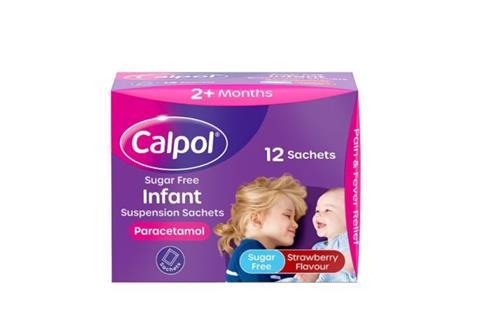
Just as with the adult-remedy market, however, children’s health has also evolved into wellness products. So while kids’ palates may not be suited to ginger shots, Sambucol Kids Immune Support promises to help ward off nasties, and is suitable for children aged three to 12 years old.
And, while prevention may be better than cure, no parent has ever managed to entirely ward off youngsters’ sniffles, so keeping a stock of family favourites like Olbas Oil decongestant and Vicks Vaporub is well worth considering, not least given the latter enjoyed a 9.5% value bump in the year leading up to June 2025, according to NielsenIQ.