GettyImages-1835006931

Retailers could face a fine of up to £6,000 for failing to provide a vape take-back scheme, according to waste experts.

As the single-use vape ban looms, Business Waste warned that the penalties for failing to provide vape take-back schemes are significantly higher than those for selling a single-use vape after June 1.

Retailers selling vapes, regardless of the amount, now need to provide a takeback scheme, said the waste management solutions company.  

This requires a method of recycling vapes in-store, while ensuring information is clearly provided to consumers on what vape recycling services are offered, it said. 

Retailers who sell £100,000 of electrical goods per year, whether that’s in-store or online, must provide a takeback scheme to dispose of WEEE (Waste Electrical and Electronic Equipment). Vapes fall under this category.

If retailers sell less than £100,000 worth of electrical goods per year, they can choose to pay a fee and join the DTS (Distributor Take Back Scheme) instead of offering in-store collection, suggested the waste management solutions company.  


What should retailers do if they are selling under £100,000 of electrical goods

  • All retailers selling vapes, regardless of the amount now need to provide a takeback scheme. This requires retailers to provide a method of recycling vapes for customers who are purchasing a new vape product. The retailer must also make sure information is clearly provided to consumers on what vape recycling services are offered.


This scheme allows businesses to pay a fee that covers any WEEE obligations until 31 December 2026. The money then goes towards supporting the recycling centres run by local authorities and requires businesses to keep a record of information given to customers about where they should take their WEEE.

Any businesses that fail to adhere to these rules risk fines of £6,000 and further prosecution, Business Waste warned.

GettyImages-1847222692 (1)

Why should you offer a takeback scheme? 

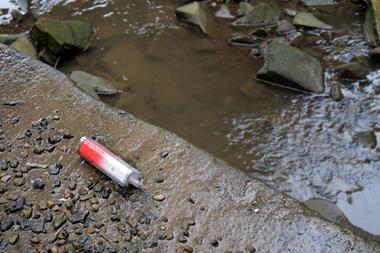
Many customers mistakenly believe that vapes can be tossed into their regular bin at home, but they’re actually classed as WEEE, which has strict rules for disposal, said Business Waste.

“When vapes are disposed of in household bins, this can lead to fires in bin trucks and at waste management sites, posing a huge risk to workers and the public.”

The company explained that vapes contain lithium-ion batteries that can overheat and ignite when damaged or crushed. If vapes enter bin lorries or waste management facilities, this is a common occurrence as waste is compressed.

Alongside this, it said that any vapes that end up in landfill can leach battery acid, nicotine, and chemicals from the plastic into the environment, causing further damage, it said.

It’s therefore vital that businesses offer a takeback scheme to comply with the law and protect waste workers and the environment, stressed waste experts from Business Waste.

“Vaping is a habit that many people will find hard to quit, or are reluctant to attempt, so a better alternative is to focus on educating customers about the risk of improper disposal,” said Graham Matthews, WEEE expert at Business Waste.

“With vapes technically classed as WEEE, we encourage retailers to inform customers about the correct methods for disposal and either provide a takeback scheme or offer guidance in accordance with the DTS.”