


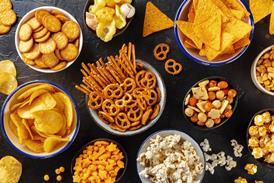

With chocolate confectionery worth £1.1bn in UK convenience, retailers have significant opportunities to drive sales. From flavour innovations like Cadbury Dairy Milk Biscoff to the premiumisation trend seeing dark chocolate outperform, industry experts reveal the key trends and merchandising strategies that can help store owners maximise this important category.
1. What flavours are trending in chocolate confectionery?
2. Premium products mean premium opportunity
3. Raising the bar in terms of format
4. Cross-category licensing opportunity
5. Treating yourself and others
6. Who are the customers of the future?
7. What should retailers be doing to maximise sales?
1. What flavours are trending in chocolate confectionery?
In a category choc-full of NPD and innovation, how does that marry with the limited space in a store, and which areas should retailers be focusing on?
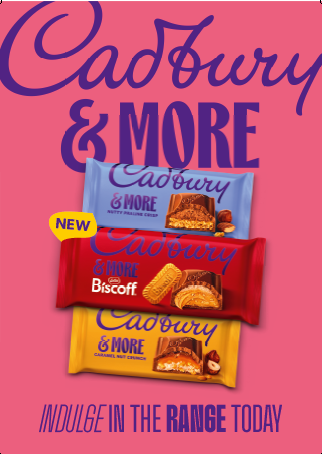
Trade communications manager at Mondelēz International, Susan Nash, explains the trends driving the chocolate confectionery sector. “Within the chocolate confectionery category, flavour collaborations and layered taste continue to grow traction with shoppers. Products that combine new flavours and brand familiarity resonate with shoppers, reflecting a growing demand for more indulgent and interesting options that elevate everyday chocolate.
“Cadbury Dairy Milk Biscoff is a clear example of this trend in action. Launched initially in smaller tablet formats in March 2025 to provide an accessible entry point for trial, the range combined the smooth creaminess of Cadbury Dairy Milk with the distinctive crunch and flavour of Biscoff. As demand grew, the range was expanded into larger sharing formats and seasonal lines to cater to different occasions and basket sizes, including a 350g sharing tablet and a Christmas Advent calendar, supporting both self-treat and gifting moments. Building on this momentum for Easter 2026, the range has extended further with the introduction of a premium Cadbury Dairy Milk Ultimate Biscoff Shell Egg, designed to meet demands for more indulgent gifting occasions this Easter.”
Brand manager at Pladis UK&I, Megan Lundberg, says flavour combinations are doing well.
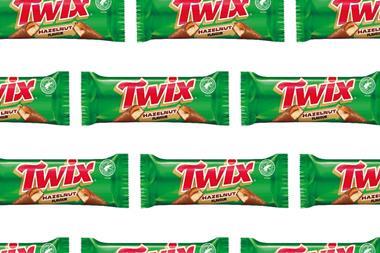
“Chocolate is the number one driver of indulgence and with taste standing firm as shoppers’ top priority in snacking, classic combinations are performing best. Chocolate & hazelnut, chocolate & orange, and other tried-and-testing chocolatey pairings have the strongest appeal, as reflected in the excitement that innovation like McVitie’s Club Layers Orange has ignited.”
Back to top
2. Premium products mean premium opportunity
When cash is tight, the lipstick effect takes hold and consumers look to indulge with everyday treats, of course chocolate is no different, with premium lines creating an opportunity to increase basket spend.
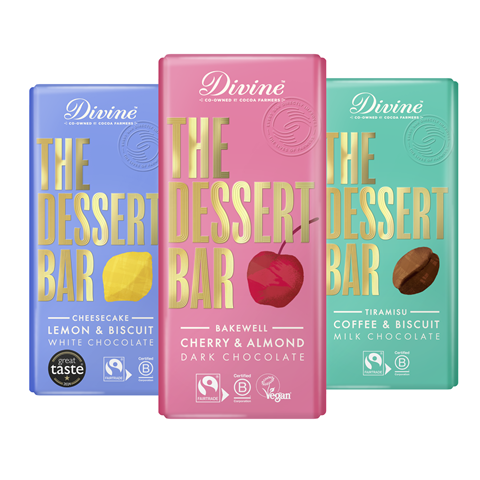
Marketing director at Divine Chocolate, Lydia Stubbins, breaks down the premium trend amongst UK convenience shoppers. “Chocolate remains a £1.1 billion category in UK convenience, with dark chocolate continuing to outperform other types. Over the last 12 weeks, dark chocolate value sales are down just -1%, compared with -3% for milk and -13% for white, suggesting shoppers are increasingly reaching for richer, higher-cocoa chocolate valued for its indulgent flavour and quality.
“Across the market, premium bars are outpacing the broader category, delivering +17% revenue growth compared to +9% for mainstream chocolate bars, reflecting a clear trend: consumers are willing to trade up for high-quality, ethically sourced chocolate.”
She outlines what this means for store owners worried about carrying higher priced lines. “For retailers, this presents an opportunity to showcase premium offerings that combine taste, provenance, and purpose, meeting evolving shopper expectations in convenience – a quality reflected in our offering at Divine, where every bar is crafted with high cocoa content, Fairtrade ingredients, and a focus on ethical sourcing.”
Back to top
3. Raising the bar in terms of format
Within the convenience channel, bars are driving the category forward, making this the area that retailers need to have spot on.
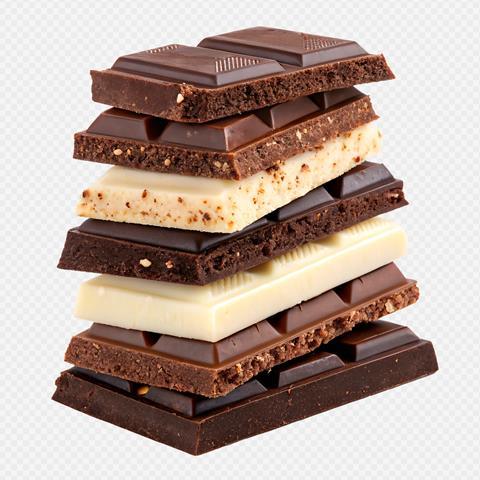
“Single-serve chocolate bars and chocolate biscuit bars are propelling category growth,” says Lundberg. “They’re a hugely popular format for the convenience channel, thanks to the fact they’re tailormade for two convenience-led shopper missions – impulse buying and on-the-go snacking.
“Singles should be independent retailers’ top priority. The accessible, en-route locations of convenience stores mean they’re visited by shoppers looking for a quick grab-and-go treat, as well as those making a spur-of-the-moment purchase. Both of these types of shopper are looking for something they can easily take away and enjoy.”
Divine Chocolate’s Stubbins agrees. “In terms of format, bars have been the strongest performers, growing +7% over the past year, while pouches and sharing bags have grown by +3%. Divine’s range reflects the growing demand for convenient, ready-to-eat options, offering a variety of bar sizes - from smaller 35g bars to standard 90g and larger 180g dessert bars - designed to suit different occasions and shopper needs, whether consumers are grabbing an indulgent treat on the go or stocking up to enjoy at home.”
Back to top
4. Cross-category licensing opportunity
Crossovers between brands is becoming more common in FMCG and confectionery is not immune to this trend. Licensing manager at Diageo, Declan Hassett, explains how cross-category brand awareness is worth exploring. “For retailers, an increasing area of opportunity for incrementality is from branded licensed products. Worth £58bn, licensed food and beverage products are one of the fastest-growing sectors in brand licensing, with licensed products offering a powerful way to drive impulse purchases and encourage cross-category exploration.
“Stocking licensed ranges with strong relevance and equity is one way to spark excitement and exploration in store. These products not only elevate the fixture but also deliver added emotional resonance and trust, helping retailers create a more compelling shopper experience.”
Back to top

5. Treating yourself and others
While bars are foundation of the category, share-size packs shouldn’t be ignored. Pladis’ Lundberg believes it’s this area that will move confectionery forward.
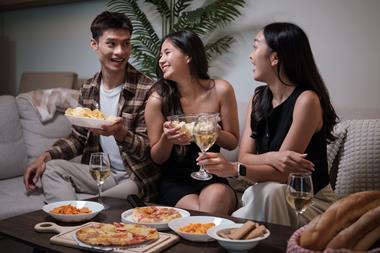
“The future growth of the category will be driven by the continuing popularity of sharing occasions and ongoing flavour innovation. While single-serve bars remain the backbone, shoppers will continue to keep an eye on their out-of-home spend, looking to larger, sharing formats to enhance evenings in with family and friends.
“Innovation, meanwhile, will focus on a return to classic flavour combinations of old. While limited-edition products will continue to be more experimental and unexpected, brands expanding their core ranges will look to classic tried-and-tested combinations in new formats, that take them into new occasions. Retailers who can strike the right balance between familiar favourites and new offerings will be able to meet evolving shopper preferences and continue to drive the category forward.”
Diageo’s Hassett breaks down the numbers. “Despite well-publicised supply challenges, UK consumers continue to seek treating products, as well as options for sharing with family and friends, with 81% purchasing chocolate as a personal treat or indulgence and 62% buying it for others as a gift.”
Back to top

6. Who are the customers of the future?
So, who are buying the products and who will be driving the category forward in years to come? Susan Nash says that younger shoppers are getting more engaged on various levels. “Understanding which age groups are driving chocolate purchases is key to unlocking future category growth. While different demographics contribute in different ways, younger consumers are playing an increasingly significant role.
“Gen Z and Gen Alpha in particular are driving purchase frequency, with 68% snacking at least twice a day. More broadly, 53% of shoppers are seeking on the go snacking solutions, reflecting a shift towards spontaneous eating occasions. As traditional meal structures evolve, convenient chocolate formats are well placed to meet this demand.”
Nash adds that these younger shoppers are also more interested in innovation. “Younger shoppers are also more likely to engage with flavour-led collaborative innovation. Since launch, Cadbury Dairy Milk Biscoff is now worth £24m and over indexes with shoppers under 28, demonstrating a resonance with collaborative and texturally interesting products with this demographic. Together, this highlights how younger age groups are shaping chocolate category performance, driving both purchase frequency through snacking and incremental growth through innovation.”
Back to top
7. What should retailers be doing to maximise sales?
With the category in strong health, what can store owners do to make the most of it? Nash says that retailers should look at NPD to keep shoppers engaged. “Within chocolate confectionery, NPD plays a crucial role in driving both footfall and impulse. In a crowded and competitive fixture, newness creates a reason for shoppers to visit, pause and browse, helping to convert routine trips into incremental sales opportunities. Whether through new flavours, limited editions or refreshed on-pack designs, NPD injects excitement into the chocolate aisle and disrupts habitual purchasing. It gives retailers a point of difference in-store while offering shoppers something they haven’t seen before, a key driver of spontaneous purchase.”
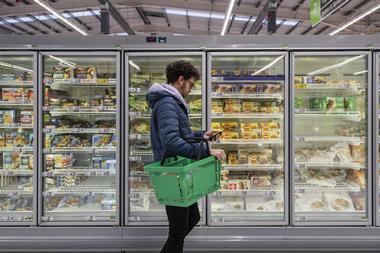
Meanwhile, Pladis’ Lundberg encourages retailers to be savvy about their siting. “Effective merchandising is key to unlocking the potential of Chocolate Confectionery. Secondary sitings in high-traffic areas, such as till points or near coffee machines, are crucial for driving impulse buys. Best-selling products should also be placed in prominent locations within the main fixture, ideally at eye level, to maximise visibility and ensure ease of selection.
“Creating in-store theatre with attractive POS materials and clear signage is essential to highlight bestselling products and innovations.”
Diageo’s Hassett adds that disrupting the shopper can spark additional sales. “Rethinking in-store placement and merchandising strategies for branded licensed products play a vital role in shaping the customer journey. Rather than confining these items to their traditional category aisles, positioning them on end caps, feature displays, or at the checkout can spark curiosity, encourage growth outside of traditional categories and drive engagement throughout the store.
“We know that retailers are always seeking new ways to better engage with their customers and collaborating with brands and suppliers to inject extra excitement into the shopper journey is one powerful approach. End-of-plinth signage, for example, not only brings aisles to life and sparks inspiration, but also helps make browsing more seamless.”



No comments yet