GettyImages-2156000246

With two years till the implementation of the deposit return scheme (DRS) in the UK retailers are being urged to start thinking about it by the new UK DMO (deposit management organisation).

The not-for-profit, business-led body was appointed by the Government to develop the necessary infrastructure and manage the scheme in the most effective and efficient way.

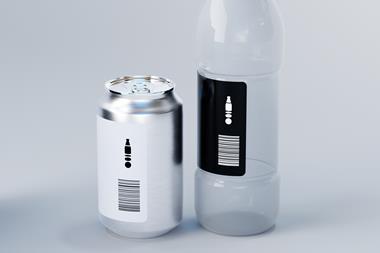
From October 2027, regulations will require a redeemable deposit to be applied to every single-use drinks bottle or can sold in England, Scotland and Northern Ireland.

This covers everything from how cans and bottles are collected, sorted and processed, to the financial operations such as collecting and reimbursing deposits, as well as ensuring that recycling rates improve over time and are as high as possible.

The DRS will cover drinks containers made from PET plastic, steel and aluminium between 150ml and three litres, reducing litter, improving recycling and supporting the transition to a more circular economy. It will be the largest environmental infrastructure programme of its kind ever delivered in the UK.

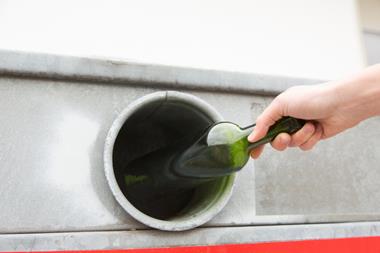
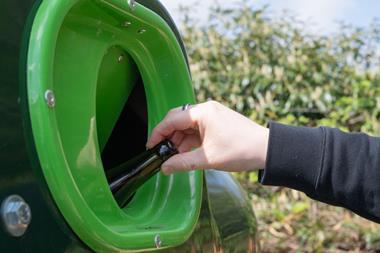
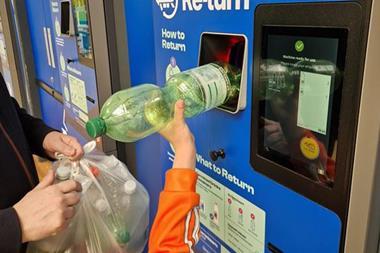
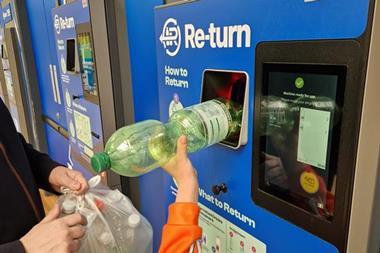
Retailers will have a crucial role in delivering the scheme as they will act as return points - where people return their containers and reclaim their deposit - and this presents specific opportunities and considerations for the convenience channel.

The UK DMO has been created to represent the full range of businesses that will need to be involved in the DRS and this includes the convenience channel and small independent retailers.

1710340996926

One of the DMO’s board directors, Rebecca Oliver-Mooney (left), director of commercial at Co-op, was nominated by the Association of Convenience Stores (ACS), in close collaboration with the Scottish Grocers Federation (SGF) and the Federation of Independent Retailers (The Fed). Her role is to ensure that the views of the sector inform how the scheme will operate.

Oliver-Mooney said: “Convenience retail will be crucial in making DRS a success, providing local neighbourhood return points that will make returns easy for consumers and help us to cut waste and increase recycling.

“We’re focused on building a scheme that allows for return points in space-constrained environments and which reflects the operational and financial realities for much of the sector.

“As a DMO, we truly recognise the unique challenges for convenience, and that’s why we’ve been working really closely with the SGF and ACS among other trade associations to ensure their views and experience of the sector really shape our work as we develop the scheme.”

Since being established earlier this summer, UK DMO has been working at pace to build its team, while engaging closely with business and all stakeholders as it develops the operational blueprint for the scheme.

While details are still being finalised, the DMO is now looking to help convenience retailers begin planning for the launch of the scheme by outlining some key considerations and a timeline for when further information will be available.

What you need to know

Not every retailer will need to take part

The UK, Northern Irish and Scottish governments have stated that retailers in urban areas will be exempt from hosting a return point if they have a retail space of less than 100m2.

Retailers will also be able to apply for an exemption if their business is close to another return point, or it is not possible to host a return point due to the location, layout, size, design or construction of their store. Further details on applications for exemptions on these grounds will be released over the coming months.

Voluntary participation is welcomed

Even if they are exempt, retailers can apply to be a voluntary return point. The potential for increased footfall as a result of acting as a return point, as well as providing a vital resource for local communities will provide opportunities that convenience retailers will want to consider.

Retailers will be compensated

A ’handling payment’ will be paid per item to cover the costs retailers incur through things like additional staff requirements, the space taken up in store, and potential investment in kit or machinery. This will be a handling payment per item that is collected in store. The DMO is currently gathering information and will be consulting with business in the new year to help ensure this is as fair as possible.

Sector-specific guidance is on the way

The DMO will publish detailed guidance for the independent sector in early summer 2026, setting out what support is available and practical arrangements to help convenience retailers take part in DRS in a way that works for them and their customers.

Ongoing engagement a priority

UK DMO will continue to engage the sector, through trade associations, direct consultation, events and the media and we encourage everyone to visit www.ukdmo.co.uk and sign up to the regular newsletter to receive the latest updates.

GettyImages-1135359596

Oliver-Mooney added: “As someone who works for a convenience retailer as well as sitting on the DMO Board, I know first-hand the entrepreneurial spirit of the sector and that operators will have many questions about the scheme. While we aren’t able to answer all of these now, we want to provide as much clarity as we can, as soon as we can.”

“While full guidance will follow, DRS is on the way - and it will affect many convenience store operations. Now is the time to start considering what this means for your business, and to begin factoring it into your operational and financial planning.”