
















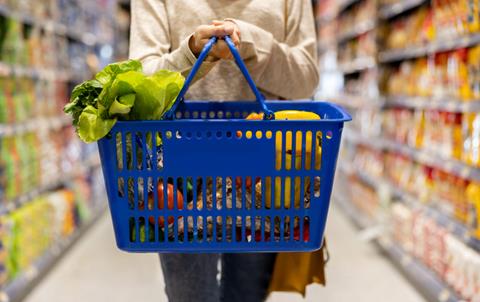
UK workers now need to work around 68 minutes to afford a typical grocery basket, according to new analysis of food affordability in the first quarter of 2026 - an increase of two minutes compared to the previous quarter.
The finding comes from Beyond Spend: Q1 2026, a new cross-sector report from strategists Beyond: Putting Data To Work.
Built on real-time behavioural data rather than opinion or stated intent, it provides one of the most indicative views available of how customers are actually spending. At its core is the Work-to-Consume Index, which measures affordability in minutes of work rather than pounds.
Using an average grocery basket of £22.30 and UK median hourly earnings of £19.67, the analysis suggests households are adapting rather than pulling back on spending.
Importantly, rather than relying on a single retailer, households are increasingly assigning specific roles to different stores depending on the task at hand.
Shoppers are becoming more deliberate in how they allocate spend across different missions, separating the main weekly shop, convenience top-ups, value-led stock-ups and occasional treats.
Paul Alexander, CEO of Beyond: Putting Data To Work, said: “This shift is reflected in wider data. Around 80% of UK shoppers now use two or more supermarkets, with many visiting three in a typical period. As a result, the traditional “one big weekly shop” is being replaced by a series of smaller, mission-led trips.”
One of the most striking findings and especially relevant to convenience store operators, the report reveals an average lunchtime grocery purchase of £9.90, despite lunchtime buyers being among the most price-pressured shoppers.
These shoppers make around 40 grocery trips per quarter, making them one of the most frequent segments in the market. The report suggests convenience and time pressure are outweighing price sensitivity for this group.
“When time is scarce, effort saved often matters more than money saved…”
Alexander added: “This tells us something important: when time is scarce, effort saved often matters more than money saved.”
The analysis also highlights sharp regional differences in the time required to afford groceries, reflecting variations in both wages and basket composition.
Regional data in the report highlights how grocery affordability is shaped as much by income as by price. While basket values remain relatively consistent across most regions, the time required to afford them varies significantly, reflecting differences in local earnings.
Regions such as the West Midlands and Yorkshire & the Humber now require over 70 minutes of work for a typical basket, compared to just over 50 minutes in London, where higher wages offset higher living costs.
Northern Ireland stands out as the most extreme example of this dynamic, with the highest basket value in the UK and over 88 minutes of work required. This reflects a more consolidated shopping pattern, where households make fewer, larger trips, increasing both the financial and psychological weight of each shop.
Overall, the data reinforces that affordability pressure is unevenly distributed - and that for many households, the real challenge is not what groceries cost, but how long it takes to pay for them.
Alexander concluded: “Retailers that reduce friction through predictable pricing, clear value and reliable availability are better positioned to retain shoppers even when they are not the cheapest option. With food prices set to soar due to the Iran Crisis which will impact supply chain and energy costs, this will become increasingly important in 2026.”








No comments yet