



















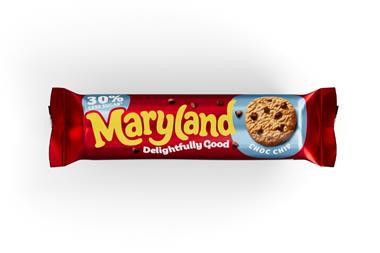
The new regulations for products high in fat, sugar and salt (HFSS) that have rolled out over the past few years have just been assessed by consumers in a survey from journal Science Direct, offering the first ever insight into opinions on the rules.
Legislation in England now restricts the placement of HFSS products in stores and online. The new study represents the first attempt to investigate shoppers’ perceptions and self-reported purchasing behaviours following its implementation.
A sample of 1968 adults living in England who were the primary shopper for their household completed online surveys, with oversampling of lower incomes included (households earning less than £39,999 a year).
The results show most shoppers viewed the HFSS legislation as a “good first step” towards encouraging healthier food choices, while encouragingly, those with children or living with food insecurity report purchasing HFSS-dominated categories more frequently as a result.
Most respondents said they purchased products from HFSS-dominated categories at least once a week (92.5 %). Furthermore, the data showed shoppers actually wanted to see the increased promotion of fruits and vegetables in stores.
However, the majority of shoppers surveyed were not aware of the HFSS legislation (58.7%), and most didn’t notice any changes to the shopping environment online (79.8%) or in stores (56.1%). 90% felt affordability of healthier food was equally or more important than legislation of less healthy foods.
While shoppers supported the legislation’s potential to encourage healthier food choices, they emphasised the importance of affordability. To support these shoppers, future legislation should also consider promoting healthier foods to reduce dietary inequalities, the report advised.
To read the survey results in full, click here.











No comments yet