

















The UK’s ban on single-use vapes was implemented with two core aims - to make vaping less appealing to young people while still acting as a smoking cessation tool, and to be an environmentally friendly initiative reducing waste and incentivising a transition to reusables.
While the ban came into force on 1 June, and a recent report from the Financial Times suggested it hasn’t had much of an effect since then.
Now, regulatory consultancy Broughton has assessed the reduced-risk nicotine product market, taking a look at what it might look like in the months and years ahead.
“At the time of writing, we’re only several weeks into the legislation’s enforcement. With vast appeal, it’s unsurprising that manufacturers sought ways to engineer their products so they could retain that same appeal while aligning with the legislation,” it said.
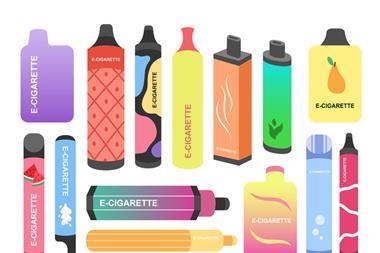
In Broughton’s 2024 white paper, it had already suggested disposables manufacturers would switch to reusable systems such as pod-based vapes, and would keep the look and taste as similar as possible to current products - but that bright colours and packaging should change. “Judging by those products still on the market, it appears those packaging redesigns have not yet taken place,” it adds.
The new systems now available show easily manufacturers appear to have transitioned, but adds that a “loophole” may have been exploited by retailers as a disproportionate amount of reusable vapes are sold compared to the amount of cartridge refills, with shops not mandated to sell a proportional number of refills compared to vape products available. This, however, could be explained by the teething problems of transitioning to new conditions, Broughton says.
“The inclusion of USB ports is another example of how manufacturers have technically complied with the law while retaining aspects of single-use culture. Though these devices are reusable, the report highlights that the disposable mindset persists, undermining the legislation’s environmental goals so far.
“Despite the early findings there are some suggestions of a gradual change occurring,” Broughton continued. Specialist retailers, for example, reported a rise in product sales related to reusable products, suggesting that they’ve been better prepared for the transition compared to other outlets and retailers.”
This still leaves space for pod-based devices to become the leader. Prior to the rise of disposable vapes, pod-based systems were the main consumer product. Given that many manufacturers of the single-use systems such as ElfBar and BAT have reusable products in their portfolio, they still seem the likely replacement.
“There is a danger the reusable devices currently on the market are following the same path as disposable vapes.”
“By using a device where a user can swap a new pod into the device and continue to use it, rather than dispose of the entire system after use may see the environmental benefits of the legislation, there is a danger the reusable devices currently on the market are following the same path as disposable vapes.
“If this continues, further legislative intervention may be required, despite government recognition of vaping’s contribution to smoking cessation.
“Retailers and manufacturers are bound to experience some turbulence when transitioning to new products, and there may be further legislative changes to come, including the closure of certain loopholes, to ensure it meets public health and environmental goals.”
Broughton offers advice on its website on how to remain compliant with the evolving landscape of vaping post-ban.









No comments yet