




















Sussex Police has become the first force in the UK to fit electronic tags to convicted shoplifters as part of a pilot scheme aimed at tackling repeat offenders.
So far, Operation STOP (Shop Theft Offender Pilot) has seen two prolific shoplifters ordered to wear tags for 12 months, as part of Criminal Behaviour Orders (CBOs).
One offender was banned from entering a Co-op on Albert Road in Eastbourne. The other was sentenced to eight months in custody, followed by tagging and an exclusion zone around Co-op in Parkstone Parade, Hastings.
It’s the first time electronic monitoring tags have been deployed specifically to address shoplifting in the UK.
The pilot is being led by Police and Crime Commissioner (PCC) Katy Bourne, in partnership with Sussex Police, His Majesty’s Courts and Tribunals Service (HMCTS), the Crown Prosecution Service (CPS) and probation services.
Bourne said the move aims to “reduce reoffending and aid rehabilitation” through “real-time monitoring and tailored support”.
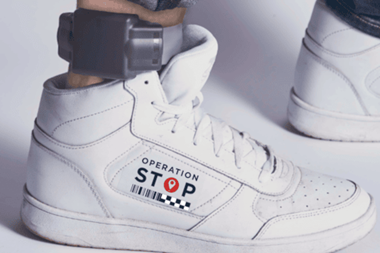
Under the pilot, repeat shoplifting offenders will be issued with Buddi tags - discreet GPS ankle devices - as part of a CBO or with agreement from probation services.
These tags allow police to monitor offenders’ movements in real time, helping to deter further offences and enabling swift action if breaches or tampering occur.
It is designed as a “supportive intervention, not a punitive measure”, said Bourne.
As the pilot progresses, individuals wearing the tag will have access to tailored services such as addiction support, housing advice and employment assistance.
A dedicated Sussex Police Constable is acting as a Specific Point of Contact (SPoC) with the courts and CPS ensuring “smooth implementation” of the scheme, said Bourne.
While the standard tagging period is set at 12 months, the court may extend it based on individual circumstances, she added.
The pilot’s impact will be assessed through reductions in reoffending, feedback from participants and the impact on local businesses. Funding for the pilot has been allocated from Bourne’s reserves.

Bourne has played a key role in recognising the shoplifting epidemic.Bourne said she was “delighted” that Sussex was the first police area to use tagging technology to address the most persistent offenders.
“As the national PCC lead for business and retail crime, I know the real impact it has on local businesses and communities,” she said.
“Deterrents need to be more effective and punishments must be meaningful. The tagging pilot is a proactive step forward in achieving this. Our early court outcomes in Sussex set a strong precedent for national action to follow.”

West Sussex-based Jayesh Patel, who confronts around five shoplifters a week, said tagging persistent shop thieves is a “step in the right direction”, as it will make them feel like “real criminals”.
”Offenders will most likely still enter the stores they are banned from, but it all depends on how quick the police respond. At least it should help the police understand how quickly offenders can go into a store and run out with stock,” Jayesh told Convenience Store.
“They’re tracking and monitoring the person’s whereabouts, so they can always approach them even if they don’t attend the store straight away.”
”If offenders do enter banned stores time and time again, it means the police will be alerted and hopefully they can penalise them long term”.
Local probation services have welcomed the scheme. Debbie Knight, head of community integration at Kent, Sussex & Surrey Probation, said: “The tagging pilot ensures the monitoring of people on probation, reducing the risk of further offences while we support the individual to address those areas linked to their offending behaviour, such as substance misuse.
”We know the considerable impact shop theft has on the community and we work closely with courts and police to ensure the right balance between repaying the community and rehabilitation. This measure will help us achieve this while adding additional safeguards to local businesses and the public.”











No comments yet