HMRC and HM Treasury are seeking views from all interested on proposed changes to the Soft Drinks Industry Levy (SDIL).
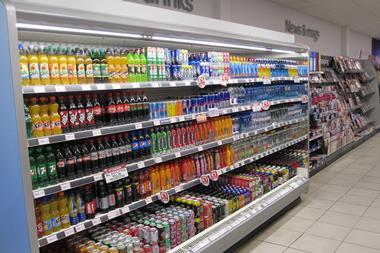
The consultation sets out proposals to build on the SDIL’s success in incentivising soft drinks producers to reduce sugar content, but there are concerns about how any new levies on sugary drinks – which would lower the levels further than those first implemented in 2016 - to now include milkshakes, among others – might impact the grocery and convenience industry.
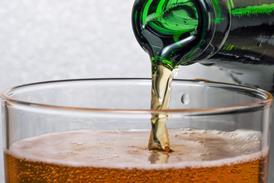
The proposals are to reduce the minimum sugar content at which the SDIL applies to qualifying drinks from its current 5g down to 4g. The SDIL standard rate would apply from 4g to 7.9g total sugar per 100ml, as opposed to the 5g to 7.9g total sugar per 100ml currently in place.
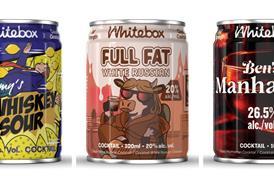
There is also a proposal to remove the exemption for milk-based drinks whilst introducing a ‘lactose allowance’ to account for the natural sugars in the milk component of such drinks. Then, milk drinks could be hit again, with plans to remove the exemption for milk substitute drinks with ‘added sugars’ beyond those derived from the principal ingredient, such as oats or rice.
In a document released by the Government, the new proposals are aimed squarely at better public health. “Only by preventing illnesses and chronic conditions before they happen can we put the NHS back on its feet, grow the economy and see the people of the UK living healthier and happier lives,” it reads. “The public and private sectors each have a role to play to achieve this objective. A key step is changing industry incentives, as the SDIL has shown.”

It’s estimated that the annual cost to the NHS of adults who are overweight and obesity in the UK is £16bn, and the cost to the economy through lower productivity is £15 billion.
In total, this is equivalent to one third of the UK’s education spending in 2022 to 2023, it adds.
Since its initial announcement, the SDIL has successfully encouraged extensive product reformulation, with a 46% average reduction in sugar in soft drinks in scope of the levy between 2015 and 2020.
However, any further reformulations could lead to price rises that obviously affect retailers, and whether it’s even possible to replicate the same tastes in the milky drinks covered by the new levy. Other products that could be affected by any new rules away from milk could include Lucozade, Fanta and Irn-Bru.
Needless to say, campaign groups have been delighted with the latest announcement. For example, Action on Salt and Sugar posted on its social media: “We’re delighted to see the Government take bold steps to strengthen the Soft Drinks Industry Levy. Lowering the sugar threshold and ending sugary milk-based drink exemptions are logical and much-needed steps for public health.”
However, there is a sense that the full impact on retailers and suppliers has not been properly thought through. In its initial information, the Government’s documents say there will be minimal economic impact as the levy would only affect 18% of drinks.
It adds: “We would expect producers of soft drinks affected by the new minimum sugar threshold to reformulate their product mix by lowering sugar content, promoting lower sugar alternatives, and reducing portion sizes.”
While the Association of Convenience Stores said it was too early to comment on the plans but that it would work with its members to implement any changes.
The Government says it is carrying out the consultation to determine the best option, before developing a framework for implementation including detailed policy design. Following this, there will be draft legislation to effect the proposed change, implementation and monitoring, and finally evaluation.
You can add your voice to the discussion by completing the online form. Responses can also be sent by email to SDILconsultation@hmrc.gov.uk or by post to Philip McCall, SDIL Consultation Team, Indirect Tax, Floor 8(D), HM Revenue and Customs, 31 Water Street L2 0RD.
The consulation closes on 21 July.


No comments yet