














Following on from the comments from other trade bodies yesterday (13 May) following the King’s Speech, the British Retail Consortium (BRC) has now issued its own detailed response.
It warned that although well meaning, the speech cannot simply be taken at face value and measures must consider the other numerous challenges both households and retailers face.
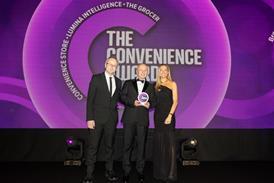
Helen Dickinson (left), chief executive of the BRC, said: “The King’s Speech comes as households face yet another cost-of-living squeeze, as the Middle East conflict drives up inflation and prices. Government cannot raise living standards without reducing the costs of doing business.

“In the face of a looming inflationary storm sparked by the Iran crisis, government must act now to tackle rising energy, tax and regulatory costs at a time when many households are struggling to keep their heads above water.
“Measures to drive long-term sustainable growth are important, but there is no excuse for allowing politics to get in the way of the immediate action needed. The decisions this government makes in the next few days and weeks will have a major impact on the price of food and essentials for the rest of the year. Every moment of indecision will deepen the damage done to the British economy and extend the pain felt by households everywhere.”
Dickson also responded to some of the new individual bills announced in parliament yesterday that could impact retailers. On the European Partnership Bill, she said: “Forging closer ties with the European Union is a golden opportunity to reduce friction and red tape for food businesses. To ensure retailers, manufacturers, and suppliers on both sides of the Channel are ready for the regulatory changes, including a Sanitary and Phytosanitary (SPS) agreement, government must provide practical support and guidance to businesses as early as possible.”
Dickson also commented on the Energy Independence Bill, of which she was sceptical: “Higher energy costs for retailers ultimately mean higher prices for consumers, and while the Government can’t control global energy prices, it can influence the prices paid by businesses.
“Disappointingly, this Bill fails to provide any measures to reduce energy costs for retailers, or to lessen the impact of increasing non-commodity costs, which account for up to 65% of retailers’ energy bills.”
On the Police Reform Bill, Dickson said the BRC was more optimistic about its new plans: “Retail crime remains a major issue, costing retailers and their customers hundreds of millions every year, and resulting in over 1,600 incidents of violence and abuse every day.
“Organised crime represents a growing part of this problem, and we hope this new Bill can strengthen national coordination between the different police forces to tackle this scourge. The Bill also promises to deploy more police officers in local neighbourhoods to tackle everyday crime and anti-social behaviour. This is essential to tackling soaring rates of both shoplifting and violence in retail stores, providing a visible deterrent to criminal activity.
“Local policing must provide a visible deterrent on our high streets and retail centres…”
“Police must use the new powers provided by the Crime & Policing Act to make sure criminals are caught and prosecuted, and show everyone that crime doesn’t pay. Local policing must provide a visible deterrent on our high streets and retail centres, while the rise in police numbers should allow police to attend all criminal incidents.”
Finally looking to the new Small Business Protections Bill, Dickson said: “Retailers rely on strong and trusted relationships with their suppliers and work hard to support this through fair payment terms and processes that can benefit all parties.
“While the devil will be in the detail, we welcome the focus on supporting small businesses, and the exemption for payment arrangements between large businesses. Government must continue to engage businesses to ensure the Bill allows for the practical flexibilities businesses need.”









No comments yet