



















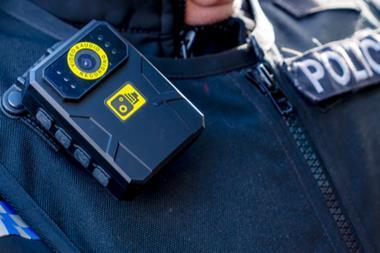
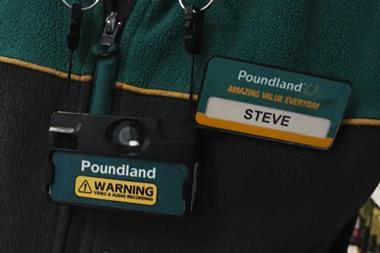
A new nationwide study by body-worn camera company, HALOS, has found that two-thirds (68%) of the public believe the primary reason businesses should use body-worn cameras is to protect staff from abuse.
The majority (60%) believe such cameras help deter antisocial behaviour in busy public settings like stores, while a further 68% believe they reduce theft and other criminal activity. In a sign of shifting attitudes, almost a third (31%) also value their role in capturing evidence during disputes.
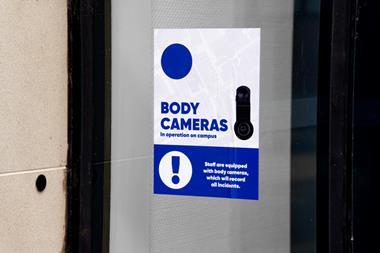
These figures reflect a cultural reset around public safety – one where surveillance tools, once seen as intrusive, are now viewed as essential. In the UK, the cameras are increasingly understood not as a threat, but as a protective presence – a practical response to growing concerns around frontline aggression.
The impact is behavioural, too. More than half of UK consumers (55%) say body-worn cameras make them feel safer, while 44% admit the presence of one would make them reconsider how they act.
Yet while the technology is becoming more common, it isn’t always front of mind. Just over a third of people (38%) say they’ve never noticed a body-worn camera in action - suggesting that for many, the cameras are doing their job quietly, without disrupting the atmosphere.
“They’re a sign that staff and consumers are protected, and that there’s a line between order and chaos that doesn’t need to be loudly enforced.”
Matthew Dawes, head of enterprise solutions at HALOS (below left), said the findings point to a growing maturity in how the UK public views safety technology. “A few years ago, the presence of a body-worn camera might have felt unusual or even confrontational,” he said. “Today, they’re a quiet reassurance to both the wearer and the everyday person. They’re a sign that staff and consumers are protected, and that there’s a line between order and chaos that doesn’t need to be loudly enforced.”

With retail footfall climbing and a season of busy events ahead, Dawes also notes that the pressure on frontline workers is only set to grow. “People expect safe, respectful environments as a standard, and the data shows they’re comfortable with technology playing a role in that. Cameras don’t have to be obvious to be effective. They just have to be there when it counts.”







No comments yet