






Keeping track of your range can be tough, particularly one as dynamic as savoury snacking.
Between deciding on the lines you need to stock, what NPD you need to make space for and how you should be merchandising, there’s a lot to manage.
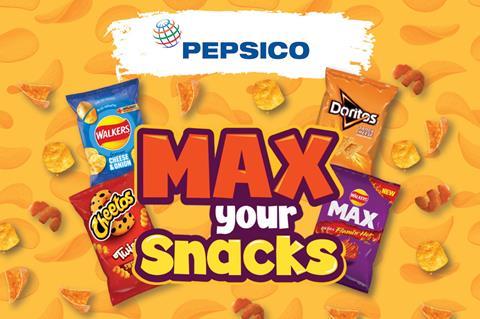
To help retailers manage this key category, PepsiCo has launched the ‘Max Your Snacks’ guide, featuring advice to help make the most of the opportunity on offer.

PepsiCo wholesale controller Ed Merrett explains to Convenience Store just how big this opportunity is. “The savoury snacks category represents nearly 20% of impulse channel value, generating £6bn a year, so there’s a huge opportunity for retailers.
“We’ve identified potential for a 16% uplift for retailers, which equates to more than £17,000 per retailer, if they were to implement the recommendations that we’ve put in the guide.”
Taking us through ‘Max Your Snacks, Merrett understands just how complicated the savoury snacking can be for store owners.
“As the guide explains, retailers need to take the opportunity to make sure they’ve got the right space for the right products. The average retailer has around 71 SKUs within their savoury snacks category. That’s a lot of SKUs and there’s an opportunity to look at what’s driving their category and what’s not. The layout is really important for consumers to be able to shop and find the products they’re looking for.”
Range management
With new additions to the category happening on a regular basis, Merrett says the savoury snacking offer needs constant reviewing in stores.
“Nearly 20% of impulse purchases go through this category so retailers need to be giving the category that kind of level of attention from a range point of view,” he says. “There are numerous NPD coming out in savoury snacking - it’s a really exciting category, with something new coming out every week. Retailers need to decide on what they want to get behind and and what they don’t. They don’t have elastic shelves, so they need to regularly be looking at at their ranges but also give NPD a chance to bed in. Some will resonate immediately and some might take a little bit of time to gain traction.
“It is a balance - retailers don’t have space for everything and need to make sure they’re sweating their space as much as possible. They need to make sure they’ve got the top 20 SKUs in there, which is where ‘Max Your Snacks’ comes in as well.”
He explains that the key decision from a shopper point of view is taste, and retailers need to deliver on that with their range management. “Ultimately taste is king. That is the number one choice for any shopper. While the price and packs are important, consumers won’t compromise on taste, so retailers need to make sure they’ve got the right taste profile. Whatever the occasion they’re looking for, they will be looking for flavour and that will be the top influence in terms of their purchase.”
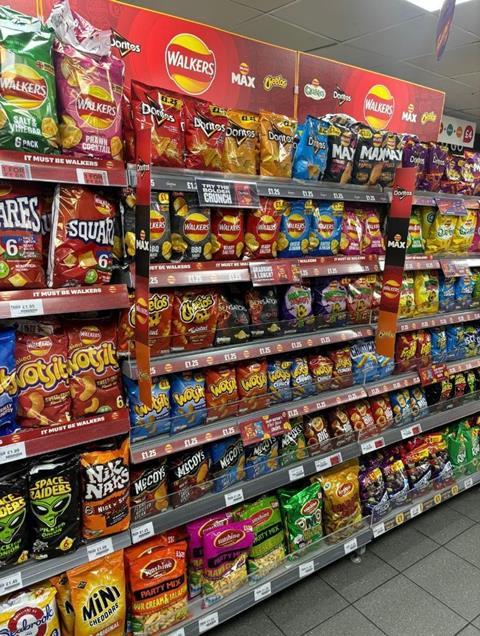
To help cater to shoppers’ tastes, Merrett suggests utilising zoning to help grow basket spend. “Another mechanic that retailers can use to boost interest is zoning shelves by flavour - grouping spicy snacks together, cheesy options together and so on. It helps the consumer find what suits their mood or the occasions they’re shopping. But it also potentially increases the overall basket spend, as the consumer might pick up an associated pack that they’ve never tried before.”
He adds that another big opportunity can come from points of interruption in secondary sites.
“In the best stores, they’ll have main aisle but they’ll also have complementary category sitings. This is particularly important when it comes to the big night in, which is a huge opportunity for retailers. And even if a retailer isn’t running a meal deal, they should make sure they have singles crisp packs near chiller cabinets just to create the opportunity for an incremental impulse purchase.”
Of course, shoppers need to know what’s new in store and how to find it. That’s where POS materials come into play. “Point of sale materials are really important and on average drive a sales uplift of about 12%. That’s why we invest in these kits and and ensure that they are fit for purpose and and work within the main aisle.”
The value of price-marked packs
In these value-conscious times, price-marked packs are an important tool for retailers who want to show clear pricing to shoppers. While some retailers are resistant to PMPs, Merrett says they resonate with consumers.
“The stats speak for themselves – two-thirds of impulse shoppers prefer PMPs, and they made up 62% of overall sales within the category. You can see consumers are really looking for that clear transparent pricing message and the confidence that they are getting value for money ultimately and building that trust.
“We work hard to ensure our products offer value throughout the supply chain, investing in margin to support retailers. An example of this is our move on some big packs to an EDLP model. This has resulted in increased retailer POR.
Merrett explained another benefit of PMPs, particularly for new products coming into the category.
“We know 59% of new products are sold in PMPs. This is because the PMP format is particularly important when it comes to kind of leveraging launches - it gives a it gives a point of difference and a point of comparison as well, so consumers can see where that NPD lands in terms of against the other PMP’s that are in store.
As well as the advice on offer from ‘Max Your Snacks’, Merrett encourages independent retailers to make the most of what makes them unique to the competition.
“They need to focus on what sets them apart and that is their agility and their relationships with their consumers. They will have better relationships and be closer to their local community than any large corporate store, so that is an opportunity for them plus we’ve seen some retailers really ramp it up by using social their social media to really drive football to their store and build that community vibe.”







No comments yet