














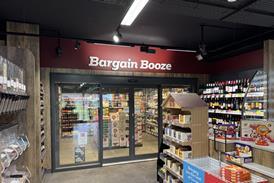




Steve Rodell, Managing Director – Retail & Leisure at Christie & Co, discusses the challenges and opportunities that both buyers and sellers face when navigating leasehold transactions in the convenience store sector
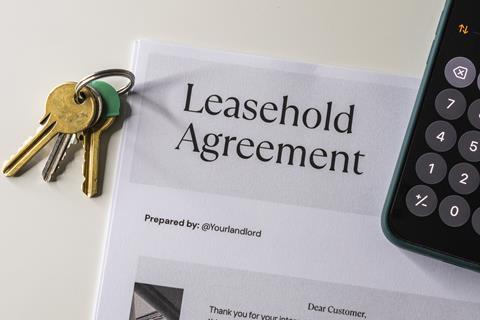
Leaseholds provide an affordable way for retailers to either enter the market or purchase additional stores. However, deals can become elongated and take longer than a freehold transaction. Here is some practical advice to help you avoid common pitfalls and ensure a smooth process.

For sellers: Preparation is key
Before you bring your store to the market, it’s crucial to ensure you have fully complied with your lease terms. Landlords are unlikely to grant consent for a lease assignment (licence to assign) if your rent is in arrears or if you haven’t met your repair, decoration or other obligations.
Why does this matter?
If you find a buyer but haven’t addressed these issues, you could face significant delays. The landlord may serve a schedule of dilapidations, highlighting defects in your property and potentially halting the transaction.
Know your buyer
It’s important to do your homework on the buyer. The buyer must satisfy the landlord’s requirements for financial stability and provide suitable references. This gives the landlord confidence that future rent payments will be met.
Choosing the right buying entity
If your buyer is a sole trader or individual, the landlord will want assurance that rent arrears can be recovered if it goes unpaid. For buyers with an established retail business, landlords typically look for three years of trading history. If the buyer is a new company, personal guarantees or a substantial rent deposit - often up to six months’ rent - may be required.
Given the complexity of these issues, it’s vital to work with an agent who understands the nuances of the Landlord and Tenant Act and the specific implications of your lease. Without this expertise, your deal could become abortive or drag on far longer than necessary.
For buyers: Don’t fear short leases, but do your due diligence
Short leases (with only one or two years to expiry) shouldn’t necessarily deter you. All commercial leases unless specifically excluded by application to the courts are protected by the Landlord and Tenant Act 1954.
What does this mean?
A protected lease provides security of tenure to the tenant. The tenant is entitled to renew the lease on similar terms to the existing one assuming that they have not breached any covenants and the landlord does not intend to reoccupy the property themselves or redevelop the property.
This means the tenant is safe in the knowledge that they will be able to invest in the property without fear of being evicted for no particular reason.
If you’re a cash buyer, you can purchase the lease and renew at the end of the term, However, if you need a loan to buy, lenders typically require a ten-year term. In this circumstance, you may need to ask for the deal to be conditional on an extended term. In this case, the seller may need to ask the landlord for an extension or renewal.
Condition of the premises
Tenants are usually responsible for keeping the property in good repair and decoration, as set out in the lease. If these obligations haven’t been met, the landlord may block any attempt to assign the lease until the necessary works are completed. As the buyer, if you are planning a major refurbishment, you may be able to agree with the landlord and their solicitor that the required repairs will be addressed as part of your works. For example, if you intend to redecorate and replace ceiling tiles and lighting, the landlord may accept this as fulfilling the repair obligations, especially if the result is a refurbished, more valuable property.
Shared responsibilities and risks
Both parties should remember that if the purchasing entity fails to pay rent in the future or breaches other term in the lease, the landlord can still pursue the outgoing tenant. This means the seller may remain liable until the lease is assigned again. So, choosing the right buyer could be more important than choosing the highest bidder.
Overview
Leasehold transactions can be complex, but with the right preparation and professional guidance, both buyers and sellers can navigate the process successfully. We hope this guidance helps you approach your next leasehold transaction with greater confidence and clarity.
Steve Rodell is Managing Director – Retail & Leisure at specialist business property advisor Christie & Co.













No comments yet