













New freedom of information data analysed this week by pouch experts Haypp has revealed a league table of councils based on their seizures of illicit nicotine pouches.
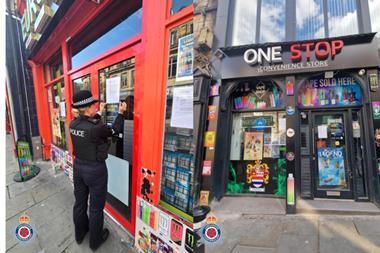
Hull City Council topped the list, with 318 different seizures having taken place between 20245/25. Second in the list was Liverpool City (183), followed by Bolton Metropolitan Borough (170).
With more than 3,000 seizure incidents recorded in 2024/25 alone, the findings highlight the scale of activity involving unregulated nicotine products, from vapes and nicotine pouches to smokeless tobacco, Haypp said.
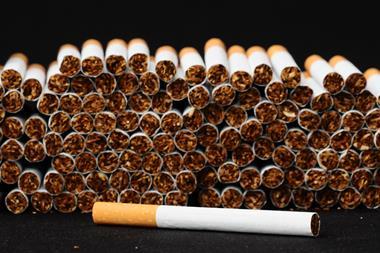
The Hull figure accounts for almost two-fifths (39%) of its total seizures over the past five years. The council there reports having seized more than 2.9m illicit nicotine items during the year, including over 2.8m cigarettes and 38,740 e-cigarettes and vapes.
While the 2024/25 period shows the most recent enforcement activity, the wider five-year dataset, covering 2020/21–2024/25, reveals consistent geographic hotspots for nicotine product seizures across the UK. Hull, Liverpool and Bolton all feature in the top four, but Lancashire entering the list in third position.
Dr Marina Murphy, senior director for scientific affairs at Haypp, said: “Illicit nicotine-containing products are a growing issue in the UK. These can range from products that have not entered the UK through regular channels to products that do not meet required safety or labelling standards.
“Because illicit products are manufactured or imported outside of regulated channels, consumers cannot be sure about the ingredients or nicotine levels, which can leave them exposed to poor-quality or unsafe products.
“In some cases, there are clear warning signs that a product may be non-compliant. These can include inconsistent packaging, missing compliance information, or products being sold in unregulated environments such as car boot sales.
“Improving public understanding of these indicators is an important step in helping raise awareness of the prevalence of non-compliant products, and make it easier for consumers to recognise and avoid them.”






No comments yet