









JTI illicit tobacco

West Midlands retailers have expressed frustration over the high volumes of illicit tobacco being sold in their communities and how it is impacting livelihoods.

20260331_123621

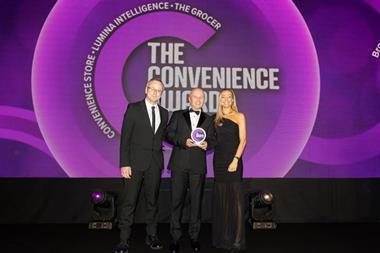
Following on from research carried out by JTI which revealed high levels of illicit tobacco trade in the Birmingham area, a group of local retailers gathered at a roundtable organised by JTI and Convenience Store to highlight the impact on their businesses and the wider community.

The test purchasing research found that in the Birmingham Ladywood constituency, 17 of the 32 independent shops (53%) visited that sell tobacco, were found to be selling illegal tobacco products while in Hodge Hill & Solihull, 13 of the 35 independent shops selling tobacco visited (37%) were found to be doing so, with all illicit tobacco products being concealed behind or beneath the counter. The operation also found counterfeit Amber Leaf hand-rolling tobacco, with some 30g pouches being sold for as little as £4 as opposed to the £27.95 recommended retail price of a legal 30g pouch of Amber leaf.

One retailer present said that the illicit trade has cost him between 30% and 50% of category sales while another said they were down over £100,000 across his estate, even before taking the lost associated spend into account.

What was shocking to the retailers was how prevalent it was amongst communities. Morrisons Daily retailer Chaz Chalal explained how common it has become. “My manager was on the shop floor and was speaking to a regular customer who had come in for flavour cards, and when she mentioned that the customer hadn’t bought tobacco for ages, the customer said she buys them from her neighbour or on Facebook. This customer is quite shy but she’s willing to buy fake cigarettes and be quite open about it to my staff.”

A major factor identified in the growth of the illicit trade was the cost of the illegal products compared to the legitimate ones. One of the retailers explained how even some of his staff weren’t immune to this factor. “We all know where the stores that are selling these products for £4 or £5 are but when I spotted a member of staff who smoked with a box of illegitimate cigarettes she had bought from the high street, it hit home how common it is.

Chaz added that shoppers buying these products will ignore the consequences of buying illicit tobacco. “The average pack of [legitimate] product is around £16 and the cheap stuff is only £5. They may know the overall impact of buying these products but they’ll put blinkers on because it suits their situation.”

Rav Garcha explained that because some illegitimate product is branded, some purchasers believe that’s okay. “Some of them seem familiar and shoppers are asking why this is a problem because they don’t understand the legalities of the situation. They’re also less worried about health concerns due to the branding.”

The retailers also highlighted how some of them still get asked for illicit products. “It’s normally kids asking if we do ‘singles’ or if we do those ‘cheaper ones’ because they think that they’re available everywhere. Some people just think it’s a value product and that we’re creaming off the top when we sell the legitimate product at the RRP.”

Lack of resources for enforcement

One of the main concerns raised was regarding resources that are available to Trading Standards but also how they use the ones they have. The fact that in some areas, there are only one or two Trading Standards officers responsible for checking for illicit products on top of other duties raised a massive red flag for the retailers.

One Nisa retailer based in Birmingham City Centre said he complained to the local Trading Standards team about a store selling alcohol without a license and it took them three weeks to visit the store. On top of that, the fact that stores found to be selling illicit products seemed to change ownership quickly, allowing them to return to trading without any delays. “There’s no stick at the moment to deter these people from running these stores.”

20260331_131651

This lack of deterrent means that the retailers present felt that there was no point in reporting illicit tobacco trading in their areas and that if there continues to be such minor consequences for those breaking the law, other retailers that are struggling might decide to start doing the same.

Retailer Michael Dadra added that differences between Trading Standards teams in local authorities means there’s not a consistent approach to enforcement and so some sites will have closure orders based on the premises rather than the business meaning no convenience store can operate there, as opposed to closing the business for it to potentially re-open under new ownership.

The retailers did suggest that the introduction of fines could turn Trading Standards into an income source rather than a cost. “Right now, we’re looking at Trading Standards being a cost rather than an income source. But if fines went directly to the Trading Standards teams rather than the overall council pot, there would be more resources available to them.”

One Stop retailer Raj Sangha expressed frustration over the fact that despite him being a responsible retailer, he spent a lot of time being audited by HMRC which sucked up resources on both sides. Raj felt that this time could be better spent investigating businesses that could be selling illicit products or where it’s not clear where revenue is coming from.

He said this was another reason for not reporting stores for selling illicit products. “The problem is that, once you report it [illicit trade], you then put a flagpole for yourself and you’re attracting the attention of the authorities because they can bring a stick to you. They only need a small stick for you, but the bigger stick they can’t afford.”

Another area of the trade that is primed for change is the planned introduction of a licensing scheme for vape retailers. Retailers present welcomed the idea of it as long as it wasn’t too onerous but also that it could be used to provide more resources for Trading Standards.

The retailers also expressed concerned about tax on vape products and how it would turn more people towards the illicit trade. “In a world where money’s tight, you know, you’ve got business rates, you’ve got all these other taxes, and then you’ve got the vape tax. The price of vapes will become so high that they won’t come to us. Which is ironic, as the whole point of vapes was that it was a cheaper alternative to tobacco.”

They added that the Generational Smoking Ban which will make the sale of tobacco products to anyone born after 2009 illegal, will simply push consumers online.

Consumer education on impact of illicit trade

Rav believes that consumer education on the issue needs to focus on the cost to the community. “When the amount of money lost to illicit trade, from a tax point of view is mentioned, it’s in the billions – that almost means nothing to some people as it’s so big so they ignore it. It needs to be explained how this crime affects at a local level from house prices to services, and that is the real impact of this problem.”

When asked what retailers could be doing to help with the problems, they suggested highlighting the stores to the authorities but also company reps that could help report them.

Making the process easier and repercussions for site owners was also highlighted. “I think busier stores won’t report because you haven’t got the capacity to sit down and report every incidence of illicit trade. I barely have enough time to place my stock orders.

“I think if a store is found to be selling illicit tobacco then the premises has to be blacklisted, and if it causes a landlord a headache, then it’s a lesson for them for the future because otherwise, they just change the details and are up and running again within a couple of days.”

For more information on the illicit trade, visit JTI’s It Costs More Than You Think website which highlights the impact on businesses and communities. The website also contains information on reporting the illicit trade in your area and informing your MP about the issue.