











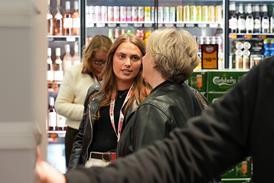








The latest Retail People Index, put together by charity the Retail Trust and global consulting firm AlixPartners, has found overall wellbeing among retail workers remained relatively steady at 61% between April and June 2026, down just one point from the previous quarter but two points higher than the same period last year.
While retail worker wellbeing has stabilised following a challenging 2025, stress and anxiety has continued to affect employees across the industry, with those aged between 25 and 44 facing the greatest challenges, according to the new research.
Retail scores
The Index calculates retail worker wellbeing scores out of a possible 100, with any below 60 indicating that people are struggling.

Employees aged between 25 and 44 recorded the lowest wellbeing score of any age group at just 58% (down one point on Q1 figures), making it the only age group to fall below the Index’s threshold for those struggling.
This offers a stark contrast with those aged between 19 and 24 and between 45 and 64, who scored 64% and 65% respectively.
Chris Brook-Carter, chief executive of the Retail Trust, said: “It’s encouraging that the recovery in retail worker wellbeing seen at the start of the year has largely been maintained, following a difficult 2025.
“Employers need to understand where staff are struggling most and ensure the right support reaches them early.”
“But a steady overall score can conceal very different experiences across the workforce. With 25 to 44-year-olds facing particular pressure, employers need to understand where staff are struggling most and ensure the right support reaches them early, before mounting pressures begin to affect their health, happiness and hope for the future.”
The latest findings also indicate that nearly four in ten retail employees (39%) remain at risk of going into work despite feeling physically or mentally unwell.
This is an improvement on 44% during the same period last year, although the figure rises to 46% among customer service workers, who are also more likely to report feeling anxious than colleagues in other areas of the business.
Gender differences
In addition, the research found women are more likely to be at risk of working while unwell, at 40% compared with 36% of men, despite reporting better support from managers, recognition and ability to manage stress at work.
Women are also more likely to report feeling anxious, with pressures outside the workplace potentially contributing to poorer wellbeing.
The proportion of retail workers considered a ‘flight risk’ - a measure of those who may be looking to leave their jobs - has also fallen by 7% over the last year, to 47%. However, this has risen slightly from 45% in the previous quarter, with higher reported levels of anxiety potentially contributing to the increase.
Managerial issues
Interestingly, the new data also reveals managers are more likely to consider quitting than non-managers, at 49% compared with 46%, with stress being the biggest differentiator between the two groups, suggesting the additional pressures associated with leadership roles may be influencing intentions to leave.
“Retail workers are holding steady, but stability shouldn’t be mistaken for security.”
Jonathan Permberthy, a director from the retail practice at AlixPartners, concluded: “Retail workers are holding steady, but stability shouldn’t be mistaken for security.
“The pressures are still there, and the businesses that act on the early signals now will be best placed to build resilience and make better decisions for their people.”









No comments yet