


















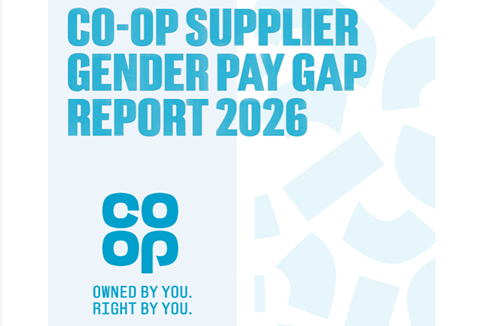
The Co‑op has published its first ever supplier gender pay gap analysis, which examines data from more than 200 suppliers across its entire supplier base, including direct and indirect suppliers.
The analysis shows gender pay gaps across Co‑op’s supplier base remain below the UK average, with a mean gap of 7.5% compared to a UK benchmark of 11.5%.
It also highlights that while progress is being made, it remains steady, and structural challenges around representation persist at a time when expectations on employers are increasingly moving beyond reporting towards clearer action and accountability, with a “growing focus on fairness and transparency,” it said.
Across Co‑op’s supplier base, 67% of organisations have a median gender pay gap below the UK benchmark. However, the findings show that women continue to be underrepresented in senior roles, with around a third of senior leadership positions held by women on average across suppliers.
Developed in collaboration with suppliers and in partnership with analytics partner Weave Analytics, the analysis builds on Co‑op’s wider work to promote fairness and inclusion across its supply chain, it added. It combines publicly reported gender pay gap data from 237 suppliers alongside deeper analysis of a group of strategic partners.
The findings show that:
- Gender pay gaps across Co‑op’s supplier base remain below the UK average, but progress is steady rather than significant
- Women remain underrepresented in senior and higher‑paid roles
- Levels of maturity in data, reporting and action planning vary significantly across suppliers
The analysis also highlights that pay gap figures alone do not tell the full story. Some organisations reporting smaller pay gaps do not yet have strong female representation in leadership, reinforcing that long-term progress depends on improving progression into senior roles.
Imran Rasul, chief commercial officer at Co‑op, said: “We know there’s more work to do to close the gender pay gap, and that means looking beyond our own organisation. This analysis gives us a clearer view of where progress is being made across our supplier base, and where there is more to do.
“Our focus now is on working with suppliers to share practical interventions, support action planning and help accelerate progress over time. Collaboration across supply chains is essential if we are to drive meaningful change.”
The report is available to read here.










No comments yet