














New figures released today from analysts NielsenIQ (NIQ) and Worldpanel by Numerator documenting till sales and customer habits.
NIQ’s data shows total till sales at UK major supermarkets increased (+1.8%) in the four weeks ending 5 September. This marked a slowdown from the average +3.2% growth recorded over the 12 weeks ending 8 August, as cooler weather and the return of back-to-school routines brought a reset in shopping behaviour following one of the hottest summers on record.
Worldpanel revealed that like-for-like grocery price inflation stood at 2.3%, rising at a faster rate than last month but still remaining “relatively subdued.”
Bad weather
In term of specifics, as the weather turned greyer, shoppers had less need for instant cooling refreshments and unit sales declined (down 0.1%), during the period, NIQ said - the first time they’ve fallen since the four weeks ending 18 April this year.
NIQ also reported that there was a shift in where shoppers chose to buy their groceries. Sales at larger sized supermarkets increased (+2.4%), while growth across convenience stores slowed (+0.3%) as consumers returned to more planned shopping trips following the summer holiday period.
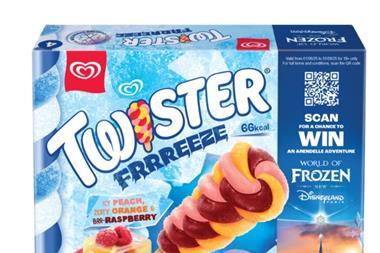
Although ice cream sales remained ahead of last year (+8.1%), sales fell (-22.6%) compared with the previous four weeks, as temperatures cooled and households moved towards back-to-school routines. Other summer favourites also recorded sharp declines compared to the prior month, including olives (-16.4%), fresh dips (-10.4%) and fresh fruit (-6.9%), NIQ’s research showed.
Lunchtime favourites
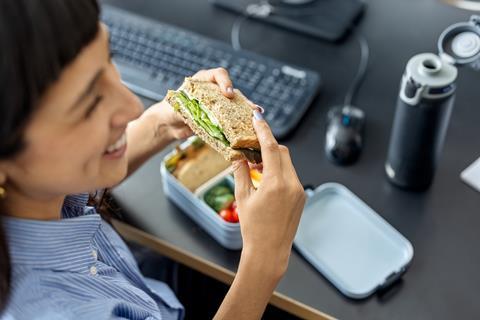
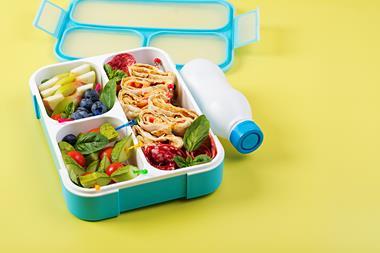
Worldpanel’s data also showed how classic lunchtime favourites were a visible presence in shopping baskets, as parents turned their attention back to filling up their children’s lunchboxes, it said.
Sandwiches featured in more than half of all kids’ lunchboxes, Worldpanel said, and the number of households with children buying loaves of bread rose by more than half a million in the seven days to 6 September compared to the previous week. The number buying satsumas (+29%) and cucumbers (+21%) also surged in the final week before term time.
In addition, the fading impact of the summer and the FIFA World Cup was also evident across alcohol, with total alcohol value sales falling -0.4% compared with last year, NIQ said.
Lager declined (-2.0%), alongside cider (-1.6%) and stout (-1.2%). However, pre-mixed alcoholic drinks continued to buck the trend, recording strong value growth (+24.7%), NIQ added.
Soft drinks growth
Soft drinks remained a standout performer, with shoppers spending £1.1bn and sales increasing +10.2% compared with last year. The category accounted for 32% of total store value growth during the period, NIQ confirmed.
As consumers move into autumn and become more selective about what they buy, health is also becoming an increasingly important consideration. Previous NIQ data shows that 12% of UK households now have a GLP-1 user, with the influence on eating habits extending beyond the individual using the medication.
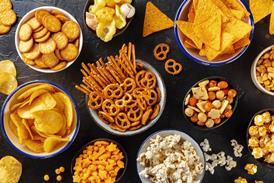
Interestingly, NIQ also found that impulse products such as crisps, chocolate and soft drinks that state they are ‘all natural’ or made with ‘all natural ingredients’ grew (+9.4%) in the last four weeks, significantly ahead of the +5.4% growth recorded across the total impulse category.
Trip frequency
Commenting on the findings, Fraser McKevitt, head of retail and consumer insight at Worldpanel by Numerator, said: “The end of the summer holidays typically brings a cooling in trip frequency and a pivot towards priority purchases, and this year is no exception.

”While grocery inflation ticked up modestly last month, it remains significantly lower than the levels we saw earlier in the year, giving households some welcome breathing room.”
Meanwhile, Mike Watkins, head of retailer and business insight at NIQ, said: “Following one of the hottest summers on record, which encouraged consumers to spend more freely, September is likely to mark a return to tighter household budgeting.

“Currently, one in three households cite the cost of living as their biggest concern, while almost three-quarters expect to be moderately or severely impacted by financial pressures as we move into the autumn and winter months.
”With children now back at school, consumers are likely to enter a period of reassessing priorities, taking stock of finances, and monitoring spending more closely.”
Watkins concluded: “As retailers enter the Golden Quarter, they’ll need to work harder and smarter to drive volume growth. This could involve encouraging shoppers to trade up through stronger mission-led propositions, leveraging personalisation to align with consumer values, and ensuring that festive marketing campaigns resonate with increasingly price-conscious consumers.”










No comments yet