












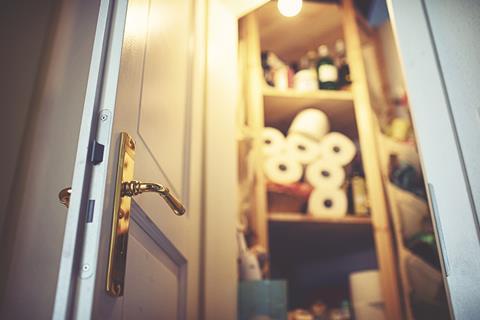
Following the launch of the Government’s Be Ready campaign last month, more than one in four UK adults (27%) are stockpiling, or considering stockpiling, food and drink in case of supply chain issues or rising costs, according to new research released today (5 November) from Barclays.
Launched on 22 October, Be Ready encourages households to prepare for three days of disruption to essential services such as power, water, phone networks and internet access.
Get the latest convenience news via whatsapp
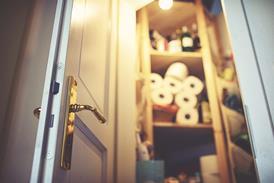
The new guidance recommends taking small, affordable steps, including keeping non-perishable food, bottled water, torches, batteries and essential medicines at home.
Taking action
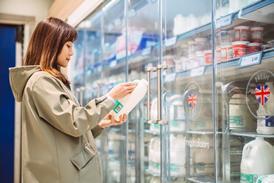
In response, three in five UK adults (60%) now say they’ve taken, or are considering taking, at least one action to prepare. This includes stockpiling food and drink (27 %), buying items for power cuts (26%) and stockpiling toiletries and other household essentials (23%).
In terms of what people are storing, 31% of UK adults are putting away tinned, dried or other non-perishable foods, with bottled water just behind at 30%. Batteries and toiletry products also featured in the list.
Calm preparation
Encouragingly, the findings point to a “quieter kind of stocking up” than during the Covid-19 pandemic, Barclays said. In March 2020, its data showed supermarket spending rose 21.3% year-on-year.
Spending at specialist food and drink stores such as greengrocers and off licences grew 30.5%, while discount stores rose 25.2%. In the week before tighter restrictions came in (16 to 22 March 2020), supermarket spending jumped 49%.

Even then, research from the Institute for Fiscal Studies found the spike was driven mainly by more households than usual buying a little extra, rather than a small number buying in bulk - the same small steps approach the Be Ready campaign encourages.
Three days
Despite the steps being considered, fewer than half (44%) said their household currently has enough food and drinking water to last at least three days. A further 22% have enough food but not enough drinking water, while 10% said they have enough drinking water but not enough food.
Steven Fergus, head of retail at Barclays, said: “A lot of people are clearly asking what they’d do if the power went off or the taps ran dry for a few days. That’s a sensible question, and this feels very different to the empty shelves of 2020. It’s people putting an extra tin or a pack of batteries in the trolley, just in case.
“Adding one or two bits to your weekly shop is an easy way to get there without a big hit to your budget.”
More thought
Speaking about the impact the latest advice has actually had on sales in stores, Alex Lawrence, senior strategic insight director at analysts Circana, said: “With the growing awareness of the need to prepare for potential disruptions, from extreme weather to power cuts, shoppers may be giving more thought to what they keep in their cupboards.
“Private label tinned fish in particular has seen a growth acceleration over recent periods with volume in kg up by 11% in the latest three months versus last year. Tinned fish is relatively affordable, convenient and has a long shelf life, making it a practical option for households looking to keep a few extra essentials on hand.
“Brand manufacturers however, have seen volume in kg decline by -5.2% on last year over the same period, suggesting that if shoppers are heeding government advice and stocking up with long shelf- life products, it is with the cheaper more value-for-money options.”
Water and batteries
Circana also released figures for battery and bottled water sales in symbol and independent stores. For water, in the four weeks ending 24 October, value sales were up by 17%, with volume up 10.2% compared to the yeaely average.
Batteries, meanwhile, also saw a rise over the same period in independent and symbol stores, rising by 6.3% in value, and 0.3% in volume.





No comments yet