

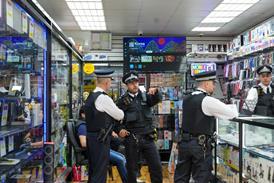

















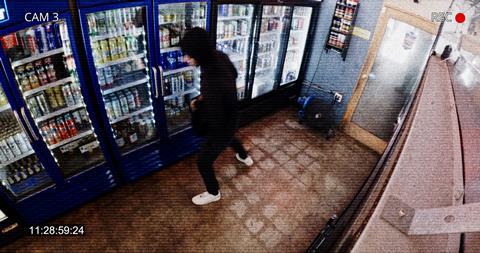
The Office for National Statistics’ (ONS) latest Crime Survey for England and Wales was released today (22 October), showing a 2% fall in the number of shop thefts recorded by the police in the year to June 2026.
However, this comes alongside a 10% increase in the number of robberies recorded, offering mixed messages around retail crime.
Headline figures
There has been a 2% decrease in the number of shoplifting offences - to 519,516 - compared to the previous year, which recorded 530,336 offences. There has, however, been a 10% increase in the overall number of robberies recorded to 88,282.
Thankfully, offences involving knives or sharp instruments fell by 6% to 48,615, while those involving firearms also decreased by 8% to a total of 5,065.
ACS response
The Association of Convenience Stores (ACS), which has just reiterated its support for ShopKind Week, has been quick to respond to the figures. It pointed out that the reason for the marked increase in robberies was likely due to a change in the way certain offences are now recorded as such, where they would previously have been classed as shoplifting.

The ONS’ own notes on the release stated: ‘If an offender enters a retail premises, steals and either uses or threatens violence against a shop worker or security guard, or any other person at the time, or uses or threatens violence to escape, then an offence of robbery of business property should be recorded.
”This clarification is likely to also have had a small effect on reducing the number of shoplifting offences.’
Welcome change
The ACS has welcomed the change in recording, as it means offences of this nature will be treated more seriously by forces and face tougher penalties as a result, but urged caution over any claims theft is falling overall.
“We’re extremely concerned about the changing nature of theft against retailers.”
ACS chief executive, Ed Woodall, said: “We’re extremely concerned about the changing nature of theft against retailers. Offenders are becoming more confident, more brazen and ultimately more violent in their crimes, threatening retailers and shopworkers to get away with stolen goods.
“The Crime & Policing Act marked a big step forward in ensuring the police treat shop theft more seriously, but many of the key measures from the Act, such as the scrapping of the £200 threshold for investigating thefts and the separate offence for attacking a shopworker, are still not in place.
“The Government must act as soon as possible to show that it backs the hardworking people running and working in our nation’s local shops.”
The Fed
Meanwhile, the Federation of Independent Retailers (the Fed) questioned whether the new figures accurately reflect the true scale of shop theft, and warned that recorded offences don’t tell the full story of the crime experienced by independent retailers.

National president, Hemanshu Patel, said: “We need to understand whether this reflects a genuine reduction in crime or whether it also reflects the difficulties retailers face when reporting incidents and the lack of confidence some have in the process.
“More than half a million recorded offences in a single year remains a serious concern. Behind these figures are independent retailers dealing with repeated theft, intimidation and the financial and emotional impact of crime. The wider impact on staff, customers and local communities must not be overlooked.”
“Reporting crime must be straightforward, police responses must be appropriate and offenders must understand there are consequences for their actions. Retailers should not have to navigate unnecessary red tape only to feel little is being done.
“We also want the Government to consider a dedicated retail crime grant scheme to help independent retailers improve security and protect their businesses.”
Retail Trust
Also responding to the news today. Chris Brook-Carter, chief executive of retail industry charity, The Retail Trust, issued a slightly more positive statement, but warned more work still needed to be done. He said: “The small reduction in retail crime is another sign combined efforts by the Government, police and retailers are starting to make a difference, but there’s still much more to do before people working on the frontline of retail feel genuinely safer and happier at work.
“Many of the shop workers we speak to tell us their confidence, wellbeing and sense of safety are being damaged by daily incidents…”
“Today’s figures don’t yet the reflect the reality of many of the shop workers we speak to, who tell us their confidence, wellbeing and sense of safety are being damaged by daily incidents of theft, violence and abuse.
“The improvements we’re seeing in recorded shop theft need to be backed by consistent enforcement, better reporting processes and more practical training and wellbeing support to help staff respond to and recover from incidents. Every one of us also needs to play our part in challenging the attitudes that have allowed abuse towards shop workers to become so commonplace by creating more positive, respectful interactions between customers and retail staff.”
Further response
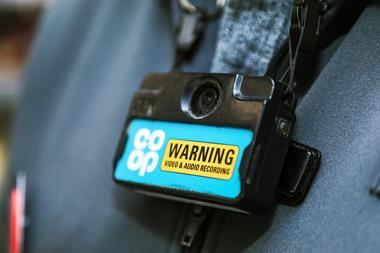
Also reacting to the new report today, body-worn camera company, Halos, agreed with both the ACS and The Retail Trust that the new figures don’t represent the full picture when it comes to retail cirme - and especially its effect on store staff.
Matt Dawes, head of enterprise at Halos, said: “A 2% fall in shoplifting is positive, but the headline crime figures only tell part of the story. The stats don’t necessarily reflect how safe retail workers feel on the shop floor or the aggression and intimidation they may face but never formally report.
“Lower retail crime figures need to translate into better experiences for employees too. Staff need to know that when something does happen, there’s a clear process for reporting it and that incidents will be taken seriously.
“Retailers need to focus on training, clear procedures and the right technology to help staff feel protected, without placing the burden of intervention on them.
”Falling shoplifting figures are encouraging, but the real measure of progress is whether people on the shop floor feel safe and supported at work.”
The ONS report can be read in full here.







No comments yet