













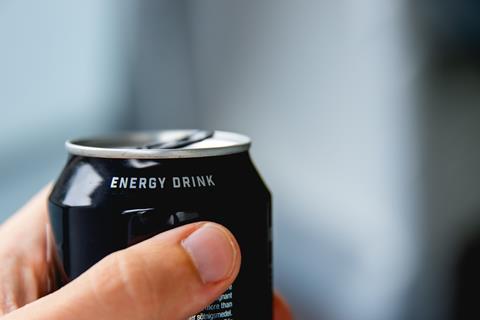
Today (17 June), marks exactly 700 days since the Government pledged to ban sales of high-caffeine energy drinks to children in the 2024 King’s Speech.
Now, a coalition of leading health organisations, academics, youth campaigners and celebrity chefs have issued an open letter expressing extreme concern that the failure to bring forward legislation promptly is having a profound negative effect on classrooms and children’s health and wellbeing.
The signatories are urging the Prime Minister to act now and deliver a lasting public health legacy by introducing legislation without further delay.
An estimated 280m energy drinks - around 300 per minute, or five a second - have been sold since the Government promised to ban direct sales to children.
High-caffeine energy drinks are already required to carry warning labels. Many supermarkets already voluntarily restrict sales to under-16s, but they are still widely sold to children by other shops and cafes.
Despite concerns over their health impacts, the market for energy drinks has boomed, recently overtaking cola as the UK’s largest soft drinks category - yet promised protections for children remain undelivered.

Speaking on yesterday’s Radio 4 Today programme, chef and campaigner, Jamie Oliver (left) said: “First and foremost, the Government is dragging their heels. They said in the King’s Speech [that] they would ban the sale of energy drinks to children, that he would put kids first. All the homework is done.”
In an open letter to the press, Oliver, Bite Back, Sustain: the alliance for better food and farming, Action on Salt & Sugar, the British Dental Association and the Association of Directors of Public Health warn that continued inaction is putting children’s health at risk.
The letter highlights clearly evidenced concerns about negative physical and mental health impacts of high caffeine and sugar consumption, including increased heart rate, higher blood pressure, dental decay, anxiety and disrupted sleep - particularly affecting children during key exam periods.
Despite the Prime Minister’s pledge to “always take the tough decisions necessary to keep our children healthy,” campaigners express frustration that a hugely popular public health policy, backed by parents, teachers and major retailers, has not been delivered.
The group points out that eight in ten parents support restricting sales to children and that retailers themselves have called for regulation to ensure a level playing field.
“I genuinely can’t believe we’re still having to talk about this.”
Oliver added: “I genuinely can’t believe we’re still having to talk about this. The Government promised to ban the sale of energy drinks to children, yet here we are - two years and 280m cans consumed by kids later - and nothing.
“We know these products are bad for children - they have no place in a child’s backpack, alongside their breakfast, or keeping them company through an exam. Come on, Prime Minister. Put kids first. Keep your promise.”
Charlotte Harrison, a senior safeguarding consultant, also commented: “Protecting children from avoidable harm is one of the most basic and fundamental safeguarding responsibilities.
”That’s hard to reconcile with the continued sale of high-caffeine energy drinks to children, despite clear evidence of the harm they can cause to young people’s mental wellbeing, physical health and learning.”
Other signatories of the letter besides Oliver include Katharine Jenner, executive director of the Obesity Health Alliance, Sonia Pombo, head of research and impact at Action on Salt & Sugar, Eddie Crouch, chair of the British Dental Association and Greg Fell OBE, president of the Association of Directors of Public Health.
In response to the publicity, a British Soft Drinks Association spokesperson said: “BSDA members do not market energy drinks to under 16s and have consistently promoted responsible retailing and clear labelling. Regulatory authorities, including the European Food Safety Authority, have repeatedly confirmed the safety of energy drink ingredients.
“Industry has engaged constructively with government throughout discussions on potential restrictions and continues to back proportionate, evidence-based policy.”





No comments yet