










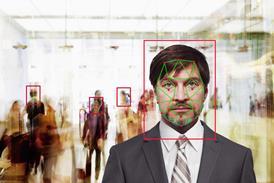







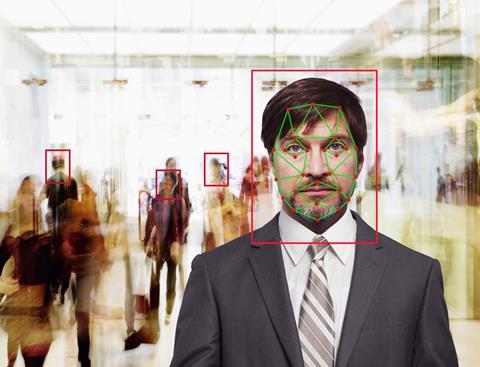
The Home Office has announced that facial recognition technology which helps police catch thousands of criminals every year will be subject to tough new safeguards, to ensure it’s used fairly and safely, both by the police and for private use in locations such as in shops.
An independent watchdog will be created to provide independent oversight of police use of current and future technologies – and could even stop forces from using them if they fail to comply.
It will also be made clear that any technologies used by law enforcement must be rigorously and independently tested against bias or discrimination of age, gender or race.
Get the latest convenience news via whatsapp
Intelligence-led
In addition, a specific law will be introduced to make clear that police use of facial recognition must be intelligence-led and proportionate, so it’s only used when officers believe wanted people could be present in an area.
These changes follow a public consultation, which highlights that, while there is strong support for its use and its effectiveness in catching offenders, there is a need for stronger safeguards around the extent of its use.
Official response
Home Secretary, Shabana Mahmood, said: “Facial recognition technology has been the biggest breakthrough for catching criminals since DNA matching, already helping police take thousands of dangerous criminals off our streets.
”The benefits are clear, but we must ensure that its use is fair, safe and proportionate.”
“The benefits are clear, but we must ensure that its use is fair, safe and proportionate. It is right we put in place clear laws to ensure the use of this technology is watertight, so the public can have confidence that these tools, which are vital to our safety, are used responsibly too.”

Static live facial recognition cameras piloted in Croydon between October 2025 and March 2026 led to 173 arrests. The Met reported a 10.5% drop in overall crime in the area against the previous year.
Al Murray, director of agency PoliceAI, added: “Facial recognition technology is one of a number of proven capabilities that can help policing work more effectively to keep the public safe.
“We welcome the Government’s commitment to providing a clearer framework for the use of facial recognition, helping forces adopt technology consistently, responsibly and with the confidence of the public they serve.”
While there are already legal requirements in place for facial recognition, they are set out across a vast patchwork system and in need of a clear, consistent set of laws.
The new watchdog will advise on standards, provide scrutiny and make recommendations to ministers on emerging technologies and risks.
Private sector

In addition, a separate legal Code for the private sector will be developed to make sure that businesses using facial recognition to tackle crime - including shops - are using it responsibly and complimentary to law enforcement efforts.
The Association of Convenience Stores (ACS) has welcomed the announcement as an important step forward in retailers using the technology to identify and report prolific offenders.
In a submission to the Government earlier this year on facial recognition, the ACS welcomed plans to introduce a code of practice as a way to give retailers confidence that the technology providers they’re using are fully compliant with the law.
“Facial recognition has become an important tool for retailers in the fight against crime…”
ACS chief executive, Ed Woodall, said: “Facial recognition has become an important tool for retailers in the fight against crime in their stores, identifying prolific offenders more quickly and alerting other local businesses of potential issues.
“We’ve long called for clarity on the use of facial recognition technology to ensure retailers stay on the right side of GDPR and other privacy laws, and will work closely with the Home Office on the practical application of the new code of practice in the convenience sector.”
Welcome news
Also commenting on the announcement, Nick Fisher, chief executive of Facewatch, the UK’s largest provider of the technology to retailers, added: “We welcome this announcement and look forward to reviewing the details in due course.

“Facewatch has been hoping the Government would not create a regulatory gap between police and private-sector use of facial recognition, and this announcement allays those concerns.
“Clear rules, independent oversight and accountability are vital to public trust, alongside recognising the technology’s role in preventing crime and protecting shop workers.”










No comments yet