- News
 ACS publishes advice to support retailers with new harassment rules
 Industry insiders and more speak on their hopes for tomorrow’s Budget for retailers
 Cash deposits in Post Offices rise as households save earlier for Christmas
 Co-op and Circana extend partnership for ‘next generation of retail growth’
- Community
- Advice
- Products
- Stores
- Awards
- Category Management












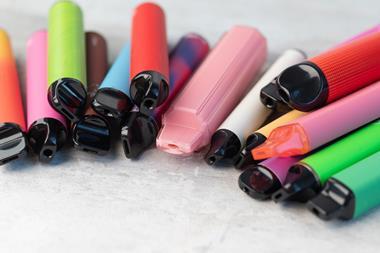
Disposable vape ban fuels black market, study finds

Research from Haypp has revealed that 35% of vapers have purchased disposable vapes since the ban was introduced in June 2025, with convenience stores identified as the primary source for illicit products
ALREADY HAVE A REGISTERED USER ACCOUNT? PLEASE LOG IN HERE
To read the full story join the ConvenienceStore.co.uk community today!
Registration is quick and easy and provides access to:
- Unlimited ConvenienceStore.co.uk articles
- Our great range of newsletters
- Content you’ve saved for later via the ‘my library’ feature
And much more…