






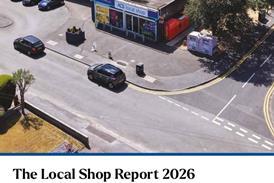
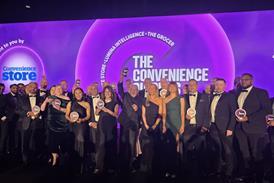




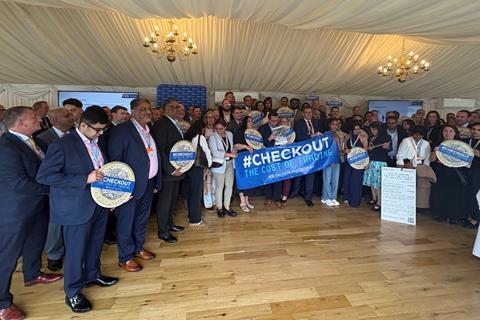
The Association of Convenience Stores (ACS) held the official launch of its Local Shop Report 2026 this morning (9 September) in the Houses Of Parliament, London.
The ACS was joined by a mix of over 150 retailers, suppliers, wholesalers, symbol group bosses, tech companies and more. All were gathered to celebrate the report’s launch, with the event informed by a series of speeches and forums, as well as Q&As with MPs who were invested in the future of the high street, before a formal reception set on the banks of the Thames.
Warm welcome
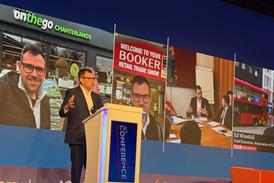
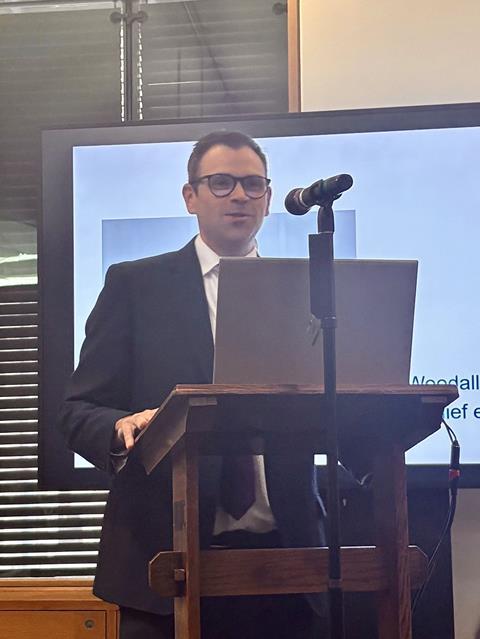
Welcoming guests to the event, ACS chief executive, Ed Woodall, acknowledged the many challenges the convenience retailer faces today: “I know employment costs, operating costs and new regulations on products we sell and the way that we sell them are having a big impact.
“Decisions on policies have an impact, and we need to tell MPs that today. We are important to people’s lives in Britain. We make an impact on people’s lives every single day. If convenience stores were going to stand for election, they’d easily win.
“In the cost-of-living crisis, shoppers can manage their budget and travel less far to access all those essential services in stores. We solve those real problems every day.
“Politicians should care about the real impact and relevance we have to people. We reach into every single community. I don’t think there’s another business sector out there that can claim that.
“On every high street, housing estate, parade and town centre, there’s a convenience store serving people. So if the Prime Minister wants to talk about delivering growth in everything, which he talks about a lot, you have to help the businesses that are delivering it every week.”
Woodall went on to talk about the resilience of convenience stores across the country: “A strong network of local shops allows people to travel less far for their kids. It serves vulnerable people, isolated people in the community. And it also makes our food supply chain more resilient.”
Dodgy shops
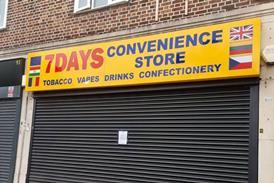
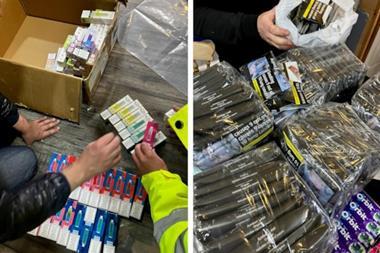
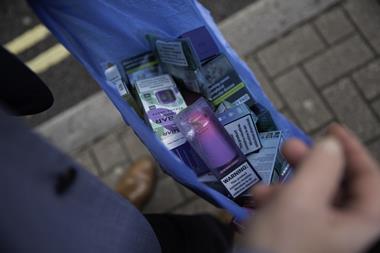
Following on from a breakdown of the 2026 report in detail, Melanie Onn, MP for Great Grimsby and Cleethorpes, offered her own take on the convenience sector to the room - and in particular, the issue of dodgy shops, which she has personally campaigned against.
“It’s funny to hear the term ‘dodgy shops,’ as there was no other word we could come up with for stores on our high streets that look to be legitimate, but actually really aren’t.
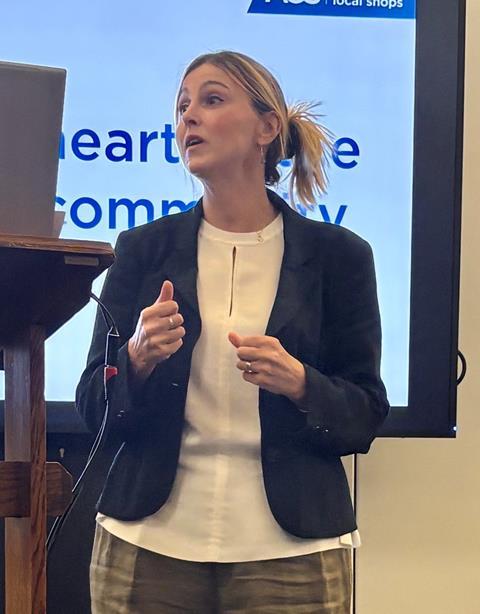
“I’ve been doing an awful lot of door knocking in my community. And there was a real difference, a real shift ahead of the 2024 general election, where the issue about our high streets was coming up so regularly and so frequently, in areas that were not immediately adjacent to the high streets. People were really concerned about the changing face of it, how it looked and felt.”
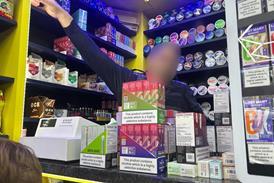
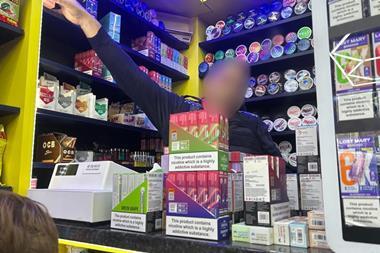
“It’s the vape shops that have got lots of LED lighting, lots of bright coloured vape packaging in the window that’s quite enticing to young people. Suddenly it looked like Blackpool illuminations down their little old high streets, and nobody’s going into these shops. They look permanently empty, but they’re newly furnished.
“How do they have the money to kit out their shop in such a fantastic way, including looking to be open 24 hours a day despite not having any custom?
”It was that almost innocent question of my constituents, that led me to think, Oh, maybe there is something a bit more behind it, and started the conversation here in Parliament, and it became very clear that the problem existed across the whole of the country.”
Important role
Onn concluded by paying tribute the convenience sector: “Not only are they operating as businesses, but they’re keeping an eye on quite vulnerable residents, people who can’t go very far, perhaps can’t go to the big supermarkets. They play a really important role in our communities.
“Retail is a high risk profession now…”
“Retail is a high risk profession now, and I recognise that and know that my colleagues do as well. But the incidents of shoplifting and threats of violence toward people who are running convenience stores in our communities is too high.
“So we’ve been doing an awful lot of work and we’ve been bringing ministers together, really kind of banging on the door, tying to break open what is a national criminal enterprise, to try and rebalance things so that legitimate businesses have a much fairer crack of the whip.”
12-month extension
Onn also called for the extension to 12 months for closure of those stores who are found to be ‘dodgy’ or selling illicit goods, before being questioned by Woodall directly about whether the sector could expect a similar discount in October’s budget to the one given to restaurants and pubs earlier this year.
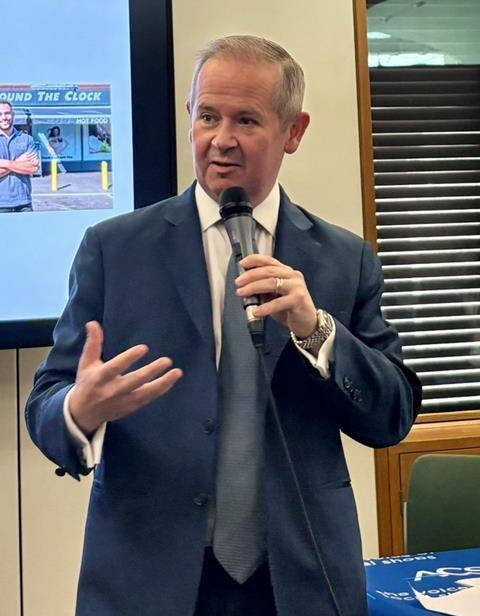
Onn responded: “I think there has to be, really. We can’t have local economies thriving unless we support the conditions for that. And I think that that’s been recognised. I really hope there will be something in the budget that recognises that.”
The event also saw comment from executive director of polling company More In Common, Luke Tryl, and an explanation of what it means to be in opposition when it comes to issues affecting the high street from the shadow minister for Housing, Communities & Local Government, David Simmonds CBE MP.
To conclude the day, there was a retailer forum featuring store owners Sukhi Athwal and Neil Ghodania, alongside AF Blakemore’s CEO, Carol Welch, who answered questions from each other as well as members of the audience on how the retail landscape looked for them.
The ACS Local Shop report can be read in full here.




No comments yet