





Two leading retail analyst companies have this week revealed the impact the prolonged heatwave in the UK, coupled with the FIFA World Cup, have had on till sales.
Across all retail outlets, growth increased by +3.8%, but was moderated by a slower performance in the convenience channel (+2.5%), it said.
According to NIQ, the strongest trading week came in the week ending 27 June, when shoppers spent almost £4.6bn, driving sales growth of +7.6% compared to the same time last year.
While like-for-like heatwave conditions in 2025 limited some additional weather-related sales this year, England’s progress through the World Cup provided a significant boost to spending on food and drink for at-home social occasions.
This is reflected in the category performance, as impulse (snacks, soft drinks, confectionery) was the fastest growing super category (+7.4%) closely followed by frozen (+7% ) and beer, wine and spirits (+5%) reflecting increased spending on entertaining occasions.
Lager was a standout, with shoppers buying 178.7m litres over the last four weeks - equivalent to 314m pints - up 12.9% on the same period last year. However, the biggest winner in the alcohol category was pre-mixed alcohol drinks (+31.1% in value and +22.6% in volume) highlighting the continued importance of social occasions in summer.
Meanwhile, energy drinks (+11.8% in value) and ready-to-drink (RTD) coffee (+10.2%) also enjoyed double-digit value growth. Soft drinks outpaced alcohol overall, growing 10.6% in value compared with 5.0% for total alcohol, although proving popular was the no/low-alcohol category, where sales surged 17.9% in value and 20.8% in volume during the tournament period, with volume growth running at more than twice the annual rate.
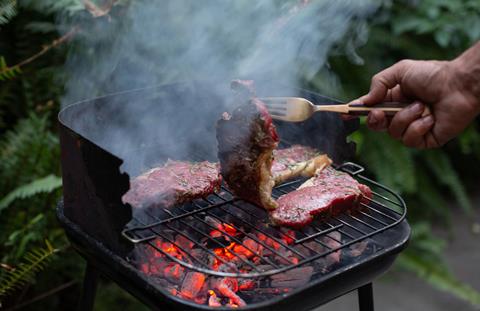
The warm weather also fuelled demand for picnic and barbeque favourites, as fresh dips (14.6%) had a boost in value sales, while salads (+8.4%), fresh savoury snacks (+8.2%), sushi (+6.2%) and fresh berries (+6.3%) all recorded healthy growth.
Despite this increase in sales during this period, NIQ pointed out that shopper sentiment remains impacted by concerns around finances, as 66% (+7% points on December 25) still describe themselves as being either severely or moderately impacted by the cost of living.
With that in mind, promotional activity remained a key driver of growth, with 25% of FMCG sales purchased on promotion, compared with 23.5% a year ago, as retailers invested in seasonal and World Cup-related offers to encourage spending.
“The last four weeks have been a strong trading period for food retailers…”
Mike Watkins, head of retailer and business insight at NIQ, said: “The last four weeks have been a strong trading period for food retailers and the incremental purchasing has given a welcome boost to volume sales. It’s unusual to have like-for-like heatwaves and this means supermarkets will have missed out on some incremental sales, with most of the growth due to the World Cup.
“Nevertheless, unit growth of +1.1% across the industry was the best in 12 months as shoppers enjoyed all that the season has to offer with barbecues, picnics and social events.”
Elsewhere, researchers Worldpanel’s latest figures pointed to an easing in inflation in sales figures. Like-for-like grocery inflation slowed to 2.6%, the lowest rate since December 2024, with sporting fixtures and the hot weather driving the highest shopping frequency since March 2020.
Fraser McKevitt, head of retail and consumer insight at Worldpanel by Numerator, said: “Easing price rises will come as welcome news to shoppers, but the annual bill tells a fuller story. The average household spent £5,530 on groceries over the past twelve months to July, up £156 on the same period last year - a reminder that even as the rate of inflation cools, the cumulative cost of the weekly shop keeps climbing.”
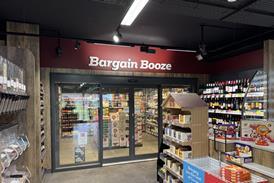
Worldpanel added that convenience stores enjoyed a strong month with an increase of 7m trips compared with same four weeks last year, as shoppers popped out for quick local runs.
Interestingly, branded goods outgrew own label this month for the first time since last August, with sales up 5.5% against 4.0%. Soft drinks, confectionery and ice cream led the shift - categories where summer demand and impulse buying typically favour big names over own label.
“Sport and sunshine combined to shape shopping habits this month.”
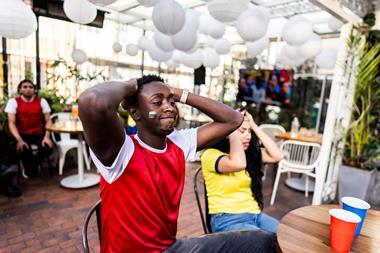
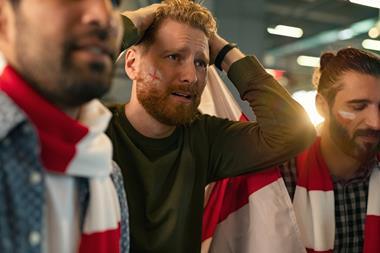
McKevitt, added: “Sport and sunshine combined to shape shopping habits this month, and England’s run in the tournament had a clear impact on the drinks aisle. With shoppers stocking up on matchday, and the day prior to the first three knockout matches, spending on beer rose 21% compared with the same days last year. That enthusiasm wasn’t shared in Scotland and Wales, however, where the comparable rise was just 2%.”





No comments yet