



















Vape brand Elfbar has released the findings from the latest wave of its UK vaping study.
The research includes responses to Government proposals to restrict the flavour names, device design, packaging and retail display of vaping products under the Tobacco & Vapes Act.
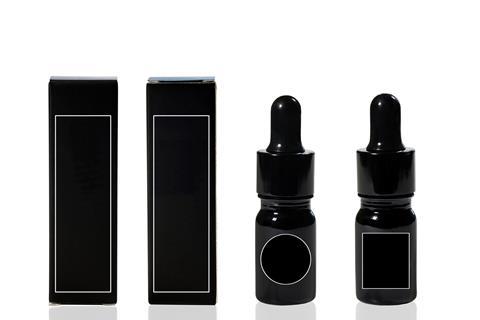
The proposals include limiting flavour names to a single descriptor (for example, Strawberry instead of Strawberry Watermelon), restricting device colours to white, black or grey, restricting packaging to plain white, black or grey and the requirement of retailers to keep vaping products out of sight behind the counter - in line with existing rules on tobacco.
The survey of 6,000 UK adults was conducted by Opinium in August 2026. It suggests the proposals on flavour-related restrictions alone could add up to £4.5bn a year in smoking-related costs to health services, social care and the economy. The warning comes ahead of the consultation’s closing date in a month’s time (2 October).
Flavour names
Among daily vapers and current smokers, the groups most directly affected by the proposals to restrict flavours to a single descriptor, 74% and 57% respectively support retaining current flavour names, allowing names to fully describe the flavour, or using two descriptors together (such as Lemon & Lime).
Six in ten (60%) current smokers and daily vapers believe there should be no restrictions on sensory or concept descriptors, such as ice, or that restrictions should apply only where there’s” a clear indication that a name or flavour appeals to children, rather than a blanket ban.”
The Government’s own impact assessment (viewable here) for the proposals on flavour name restrictions doesn’t specify those that disproportionately appeal to under-18s or cite supporting evidence.
The latest Opinium survey found that users of some of the flavours that could be affected - including Pink Lemonade, Cherry Cola and Pineapple Ice - actually have an average user age of 37 to 38.
Adult use
The survey also illustrates the scale of adult use of these flavours. Based on the proportion of adult vapers who said they use or have used them, around 1.3m adults are estimated to use or have used Pink Lemonade, while the equivalent figure for Cherry Ice is around 1.5m.
When daily vapers were asked what they would do if the consultation’s proposals were applied to flavours they currently use - restricting the use of multi-word flavour names, flavour categories beyond fruit, tobacco, menthol and mint, and sensory or concept descriptors, including ice – 38% said they would switch to an available flavour.
However, 10% said they would potentially smoke more or switch back to smoking, another 9% would try to find the flavours through illegal channels, and a further 9% would consider stopping vaping altogether.
Applied to Action on Smoking & Health’s (ASH’s) figure of 5.5m adult vapers in Great Britain, and an estimated 139,000 adult vapers in Northern Ireland, the 10% who said they would smoke more or return to smoking equates to around 550,000 people.
Device and packaging colour
When asked about proposals to restrict the colour of vape devices, over half of daily vapers (55%) and current smokers (51%) preferred muted device colours, such as plain blue, or the current range of colours available, over restricting devices to white, black or grey only.
Devices made to resemble food, drinks, toys or novelty items, or featuring highly decorative designs were a different matter, drawing strong support for restriction across all respondents.
On packaging, less than a quarter (24%) of daily vapers and one third of smokers (30%) believe that plain white packaging strikes the right balance between reducing youth appeal and supporting adult smokers to quit.
By contrast, 61% of daily vapers and almost half (48%) of smokers support either the status quo or some form of colour, such as a single muted shade like blue or a band of colour on the pack, to help differentiate between flavours.
Vaping misperceptions
The survey also found that half (49%) of all respondents mistakenly believe vaping is as, or more harmful than, smoking.
It’s feared that such a misperception could deepen as a result of the proposals. Among current smokers who haven’t tried vaping as a cessation aid, 27% said the proposals and recent regulations would increase their negative perception of vaping as a way to quit, against 22% who felt more positively.
The five-point difference equates to around 125,000 smokers who may now see vaping less favourably as a way to quit.
Quitting aid
Vaping continues to play a significant role in helping adults quit smoking. An estimated 535,000 people quit with the help of vapes outside NHS Stop Smoking Services in 2025/26, plus a further 41,109 through the service itself – together worth an estimated total of £4.36bn in savings.
Commenting on the survey, Eve Peters, director of government affairs for Elfbar in the UK, said: “We support the Government’s aim of reducing youth appeal. Millions of adult smokers use vapes as an alternative to cigarettes, and products specifically intended to attract children have no place in the market.
“Flavour name restrictions alone could push over half a million adult vapers back to smoking.”
“However, some of these proposals, as currently drafted, risk reversing the progress vaping has made in helping smokers quit. Our findings suggest the flavour name restrictions alone could push over half a million adult vapers back to smoking.

“The findings support the case for a more proportionate, evidence-based approach to regulation, one that reduces youth appeal but also takes into account vaping’s established role in adult smoking cessation, rather than applying broad restrictions to products used predominantly by adult smokers.
“Last year’s single-use ban highlights how unintended consequences can affect adults trying to stay smokefree. Based on ASH data, around 110,000 adults returned to or increased their smoking following the ban.
”We calculate that this could represent £448m a year in smoking-related costs if half of those returned to smoking, rising to £896m if all 110,000 did.
“Limiting flavour names to a single descriptor alone risks a similar effect on a larger scale. As such, it’s important the Government uses the consultation to get the balance right, ensuring restrictions are based on clear evidence of youth appeal without deterring the adult smokers these measures are also intended to support.”










No comments yet