



As reported earlier this month, research from the UK’s Deposit Return Scheme (DRS) Deposit Management Organisation, Exchange For Change, revealed that only 43% of retailers it surveyed felt ready for the introduction of the recycling scheme coming in October next year.
A worrying figure perhaps, but one that only tells part of the story.
Get the latest convenience news via whatsapp
For example, have you decided yet if your store plans to manually sort returned drinks receptacles from your shoppers? Or are you considering a reverse vending machine (RVM), but worried about how much valuable shop floor space it will take up?
Will you opt out of the scheme due to your store’s smaller size, but then miss out on the potentially increased basket spends and higher footfall the scheme could bring?
Managing director of Tomra Collection UK, Sondre Henningsgård, sat down with Convenience Store to discuss what the scheme’s introduction will mean for independent retailers and why there might just be an RVM from his company suited to your store.
Tomra was recently announced as one of the certified RVM makers alongside RVM Systems, Ecovend, Recyclever, Envipco, Sielaff and Ropet.
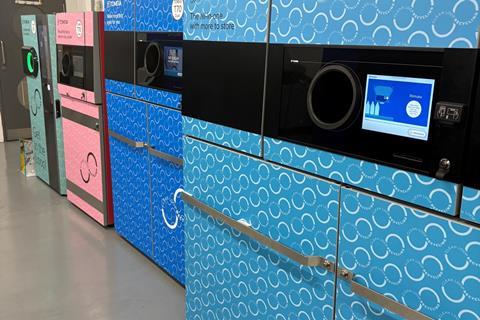
RVMs ranging from smaller, convenience focused models right up to outdoor multi-feed offerings that can either be standalone or hidden away with only an ATM-sized opening, are all on display at Tomra’s Chiswick headquarters, which Convenience Store visited.
Planning ahead
With the DRS arriving in the UK next October, Henningsgård said many of the larger retail chains are already sorting their machines: “It’s quite typical in new markets that large chains start early with their planning and their project teams. Then, the further down the line you get, the individual retailers who come onboard a little bit later.”
Henningsgård also acknowledged the low awareness figures from Exchange For Change, but felt they weren’t all that alarming, having overseen the introduction of similar schemes across Europe and further afield.
“There’s definitely an uptake in interest. Awareness levels are going up, but they’re still low, which is in many ways to be expected because there hasn’t been that much promotion yet. But it’s gradually growing.
“We definitely recommend that retailers should get informed, and if they’re members of the Association of Convenience Stores, the Fed or other retailer groups, they should use their information.”
Shopper interaction
When it comes to which RVM is right for your store - or if you should even have one at all - Henningsgård said the decision largely comes down to how you interact with your shoppers.
“There’s no set rule, it’s more about how you, as a retailer, want to approach your customers.
“We know that having an RVM drives more collection, and this also drives customers to it. There’s also security and workload elements if you choose to do it manually that you’ll safeguard against if you get the technology.
“That’s not saying you have to get technology. Technically speaking, you’re compliant if you collect it. But there are the practicalities and safety measures around that.”
There are also differences between the different UK governments’ plans for the scheme, with Wales the only nation aiming to include glass in its version alongside plastic (Tomra’s machines can accept both, or either types of containers easily).
Footfall boost
Henningsgård added that the introduction of an RVM in a store can go hand-in-hand with successful convenience retailing: “For some stores, it’s about protecting footfall. For others, it’s about gaining it.
“It’s really about providing that convenient solution. We’re talking about convenience stores after all, where customer convenience is key. If you’re better than your neighbour in your service and what you provide, you’ll attract that footfall.
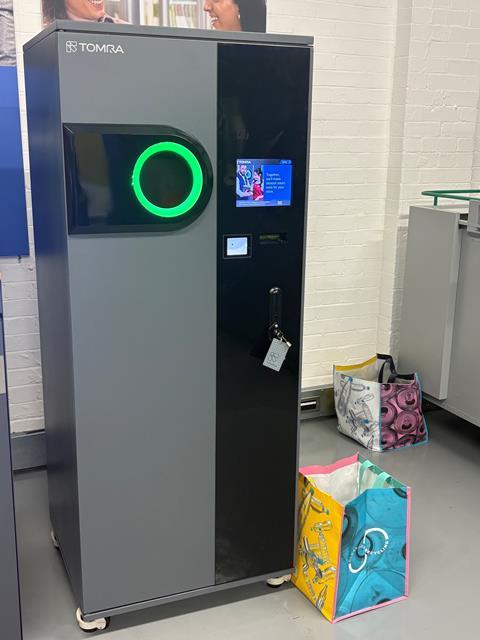
“A standard convenience retailer will probably buy a reasonable, quite small RVM and then deliver a decent service and be done with it. That could be more than good enough.
“But then you have the ones that think outside the box. For example, in Ireland, we have a petrol forecourt retailer who started that way, with a reasonably sized standalone RVM, but then saw more opportunity.
”Firstly, there’s the handling fee you get for collecting. Also, since people return on average once or twice a month [to use machines], it’s usually part of a planned shop, which means the average basket spend during those returns is higher.
“We know two out of three shoppers choose where they recycle based on these experiences, and that gives stores another incentive.”
Henningsgård’s approach to getting stores onboard with RVMs, he believes, is one of realism, not fantasy. “When you do the maths, it’s not about selling a fairytale, but the handling fees are really only a part of the income opportunity. Can you make more out of it?

”That forecourt in Ireland went from collecting a few hundred thousand bottles a year - a reasonable, small number of containers for their size - to installing a large multi-feed system. They’re now collecting more than 12m containers a year.”
Henningsgård added that the forecourt didn’t just see a profit from the handling fee involved in the DRS, but also an increase in petrol sales, as well as increased footfall at the on-site Spar store and coffee shop.
Working together
Ultimately, the decision of whether to get an RVM - or whether one is even needed - will come down to retailers, as they know their business better than anyone, Henningsgård concluded.
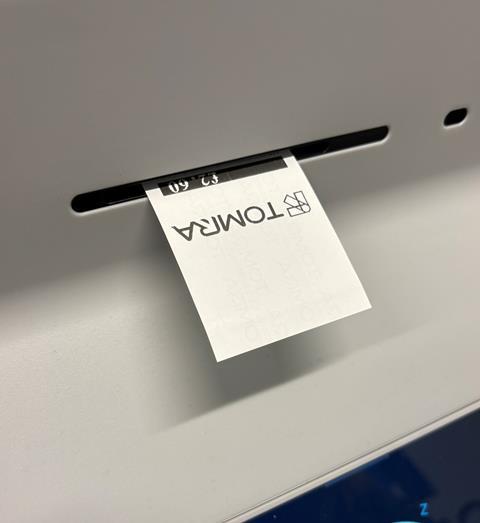
“When you evaluate the possible solutions, we help with that,” he said. “We like to think of it as a partnership because it’s not about selling a box, it’s about a 10-plus year partnership.
“We can advise on what’s a good solution, bringing our experience about DRS and the RVMs, then add that to the retailer’s knowledge of their own store and customers.
“Retailers know their customers and staff. It’s by working together in the partnership that we can make it really work.”



No comments yet