










A 20% business rates cut for pubs is welcome, but independent convenience retailers deserve equal recognition for the role they play in local communities, writes Paul Dufourne, senior commercial director at Philip Morris Limited

The Government’s decision to cut business rates by 20% for pubs, clubs and live music venues from April 2027 is welcome news for those sectors. It also raises a wider question about how the business rates system recognises the contribution made by smaller convenience retailers.

There is a good argument for giving pubs additional support. They are an important part of local communities, and many are facing difficult trading conditions. The same is true for independent convenience stores, which are often open for long hours and provide services that people rely on every day.
The ACS Local Shop Report revealed that there are more than 50,000 convenience stores across the UK and around 71% are run by independent retailers. Together, they support 443,000 jobs. Those figures show the scale of the sector, but the role these stores play locally is harder to capture. Retailers know their customers well and often see changes in shopping behaviour before anyone else.
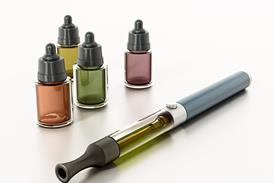
That matters when new products and categories emerge. Retailers may be deciding whether to introduce newer smoke-free products or unfamiliar nicotine categories. They then need to be able to explain those products clearly to adult consumers and decide whether they are right for their store.
That becomes more difficult when margins are under pressure. Rising operating costs are making many retailers more cautious about where they invest. Annual investment by convenience retailers has fallen from £1bn to £900m since 2024 (ACS Local Shop Report 2026).
For smaller operators in particular, these pressures can affect important decisions about store upgrades or whether to embrace a potential new product category. It can also make it harder for suppliers to bring new propositions to market through responsible retail channels.
Alongside these pressures sits the continuing problem of illicit trade.
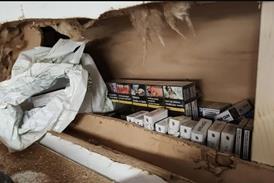
Independent retailers are competing with operators selling illegal products while ignoring the rules that legitimate businesses are expected to follow. And we know that almost all retailers report having been approached for illicit nicotine products (Online Survey of 200 UK convenience store managers, commissioned by Philip Morris, January 2026).
Enforcement must be a priority
For Government, enforcement must be a priority. Responsible retailers should have confidence that those selling illegal products will face meaningful consequences, rather than watching illicit operators continue to undercut them.
Licensing can have an important role to play in achieving this objective. A new regime should support enforcement authorities and make it easier to identify and impose proportionate sanctions on businesses that are breaking the rules.
The same principle should apply to business rates reform. Support needs to be properly targeted at the smaller retailers facing the greatest pressure, rather than applied automatically to every business. The circumstances of an independent retailer running one or two stores are very different from those of a large national operator.
If Government wants local retailers to keep investing, policy needs to reflect those differences. A fairer approach to business rates, alongside stronger action on illicit trade, would give responsible independent retailers greater confidence to keep serving their communities.






No comments yet